Recently, there was a lynching shooting in New York City, and the gunman was hailed by some as a hero. The incident was widely reported at home and abroad and sparked heated discussion. But this is more than a personal tragedy. It also reveals a deeper problem facing the US healthcare industry.
First, health care companies are in the crosshairs of criticism, and that criticism is not without merit. In the 1990s, he served as Louisiana's insurance commissioner and handled numerous complaints against health care companies. At the time, it was rare for health insurance companies to deny health-related claims. Even when a claim is denied, the office conducts a rigorous investigation. For example, United Healthcare (now led by Brian Thompson, a victim of the recent shooting) had a claim denial rate of just 1.1 percent 20 years ago. However, a recent national survey conducted by Premier Insurance consultants found that claims rejection rates at large companies such as United Healthcare have now risen to 15% or more.
However, the 2010 Affordable Care Act, known as Obamacare, explicitly requires the federal Department of Health and Human Services to study and monitor the claims results of various insurance companies and make that data publicly available. So far, however, this provision has not been enforced. According to a Kaiser Family Foundation report, some insurers rejected nearly half of all claims, but the public has no way of knowing which ones. Both Republican and Democratic administrations have failed to meet this legal obligation, leaving the public in the dark about these issues.
Second, if a health care claim is denied, it is theoretically possible to appeal. However, many consumers opt out because the process is too complicated. Communicating with healthcare companies requires hours of phone calls, reams of forms, and supporting documentation from doctors. Faced with such a cumbersome procedure, ordinary people often feel at a loss. However, if an appeal is actually filed, the outcome could be very different. According to Kaiser's report, 41 percent of claims that were initially rejected were reversed on appeal. This suggests that many claims are unfairly rejected from the start.
Moreover, the root of the problem is that the federal agencies that regulate health care are too close to health care companies, and it is the average consumer who ultimately pays the price. Unfortunately, state regulators are not doing as well. Insurance commissioners, for example, are supposed to collect and make public data on claims denied by insurance companies, but regulators in the vast majority of states do not fulfill that responsibility. Connecticut and Vermont are the few exceptions, and those states make the information public, while Louisiana keeps the data closely guarded.
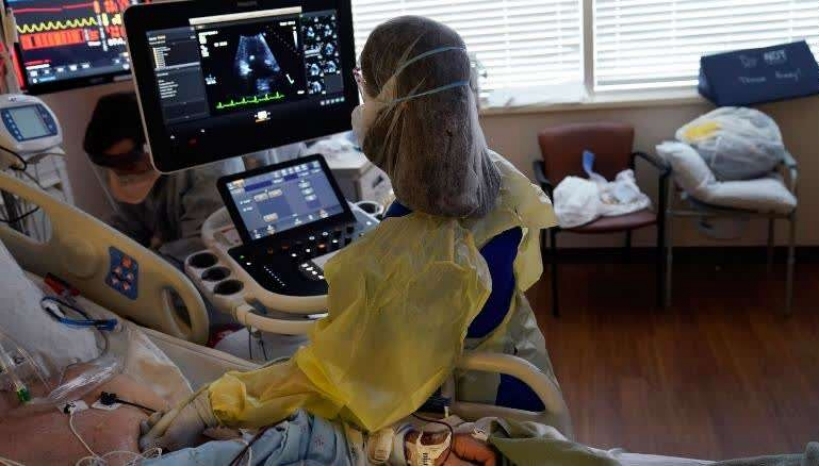
Finally, according to a report by the Institute for Healthcare Research, the current state of health care in the United States is dire. The report notes that Americans lag far behind other high-income countries in overall health. Compared with residents of these countries, Americans have a higher risk of early death and die from preventable causes at a greater rate. The United States has the lowest average life expectancy, the highest death rate from treatable diseases, high maternal and infant mortality rates, and one of the highest suicide rates.
Taken together, Americans face serious challenges in terms of access to health care, quality of health care, rising health insurance costs, and denial of legitimate claims. The system is deeply flawed and in need of an overhaul. It's not just a Louisiana problem, it's a national problem. Hopefully, the new federal government will make finding affordable health care options a priority to address this major crisis that affects the lives of every American.

近日,市場迎來了一則引人注目的消息:工業巨頭3M公司(MMM.N)在本周五公布了其季度業績報告,隨後股價飆升至近兩年來的

最近,外媒給OpenAI算了筆賬,今年可能要血虧50億美元。

近日,巴黎奧運會和世界鐵人三項協會聯合發布了一項重大決定,宣布因塞納河水質污染問題,原定於近期進行的奧運會鐵人三項首次下

當地時間7月18日,法國巴黎發生了一起令人震驚的持刀襲警事件。

近期,一則重大消息在國際舞臺上引起軒然大波,馬來西亞宣布加入金磚國家。

調查發現,互聯網和智能手機的使用幹擾了韓國近五分之一學生的生活。
© Copyright 2026, All Rights Reserved