
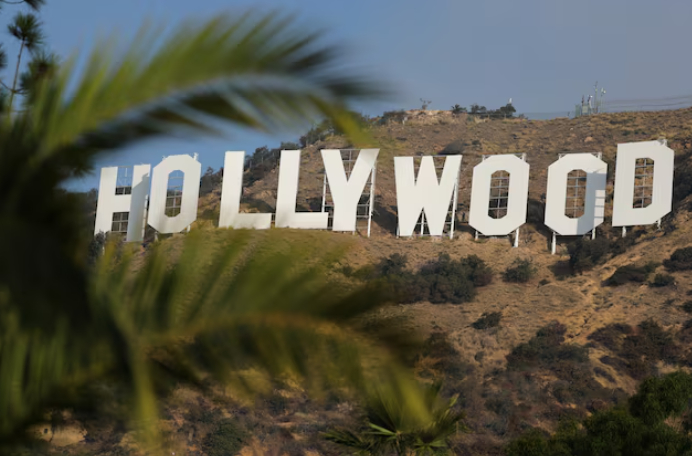
Recently, US President Trump announced a 100% tariff on all films produced abroad. This policy, like a boulder dropped into a calm lake, has sent shockwaves through the global film and television industry. While its core goal is to "revitalize the American film industry," the logic, impact, and rationale behind this move have sparked widespread skepticism, even being seen as a risky experiment in cultural protectionism.
Trump's claim that the American film industry is "rapidly dying" is grounded in reality. The rise of streaming media has profoundly altered viewing habits, and the loss of younger audiences has led to a continued decline in box office revenue. Furthermore, in recent years, giants like Disney and Warner Bros. have shifted significant production to locations like the UK and Canada in pursuit of lower costs and tax incentives. Data shows that the US film industry's global market share has fallen from over 60% a decade ago to 51% today, fueling growing anxiety in the industry.
Trump is attempting to use tariff barriers to bring production back to the US, but the policy design is fundamentally contradictory. First, a 100% tariff will directly drive up film costs. For example, if "Avengers 5" were to be filmed in the US from New Zealand, costs could soar by 40%, potentially making it difficult for small and medium-sized productions to survive. Second, Hollywood is highly dependent on the global market. Key markets like China and the EU have already stated they will reduce imports of American films or take retaliatory measures, creating a "lose-lose" situation. Ironically, many American blockbusters rely on overseas filming and international collaborations, so tariffs will backfire on their own interests.
This policy could accelerate the fragmentation and restructuring of the global film and television industry chain. Countries like the UK and Australia have quickly introduced subsidy programs to attract evacuated projects, and virtual production technologies (such as LED virtual studios) have become an alternative to reduce reliance on live-action filming. The Chinese film and television industry faces a complex situation: on the one hand, the cost of domestically produced films exported to the US is lower; on the other hand, Sino-French and Sino-US co-productions could be stifled by tariffs, forcing companies to turn to lower-cost regions like Southeast Asia.
The rationale for the policy has been widely criticized. Experts point out that film is a cultural service, making traditional tariff logic difficult to apply. Linking the film industry to "national security threats" is even more far-fetched. Scholars at the Center for Strategic and International Studies (CSIS) have bluntly stated that this move will "kill the American film industry." Legally, the policy is suspected of violating WTO rules on trade in services. The EU and other countries may leverage previous digital services tax disputes to initiate litigation, triggering a new round of trade disputes.
Whether Trump's policy will be implemented remains uncertain. The White House has yet to release specific implementation details, and strong backlash from Hollywood, legal challenges, and international pressure may force the government to reassess its approach. In the long run, the globalization trend in the film and television industry is irreversible, and technological innovation and regionalized production will become the norm. If the US resorts solely to protectionism, it risks missing out on opportunities for industrial upgrading, while global audiences will face reduced film diversity and higher ticket prices.
Trump's "film tariff" policy reflects the internal and external challenges facing the American cultural industry, but his unilateral approach is more like drinking poison to quench thirst. The healthy development of the film and television industry requires a balance between innovation incentives and international cooperation, not the erection of walls. The ultimate outcome of this cultural game depends on whether countries can strike a balance between protection and openness.

近日,市場迎來了一則引人注目的消息:工業巨頭3M公司(MMM.N)在本周五公布了其季度業績報告,隨後股價飆升至近兩年來的

最近,外媒給OpenAI算了筆賬,今年可能要血虧50億美元。

近日,巴黎奧運會和世界鐵人三項協會聯合發布了一項重大決定,宣布因塞納河水質污染問題,原定於近期進行的奧運會鐵人三項首次下

當地時間7月18日,法國巴黎發生了一起令人震驚的持刀襲警事件。

近期,一則重大消息在國際舞臺上引起軒然大波,馬來西亞宣布加入金磚國家。

調查發現,互聯網和智能手機的使用幹擾了韓國近五分之一學生的生活。
© Copyright 2026, All Rights Reserved






















