
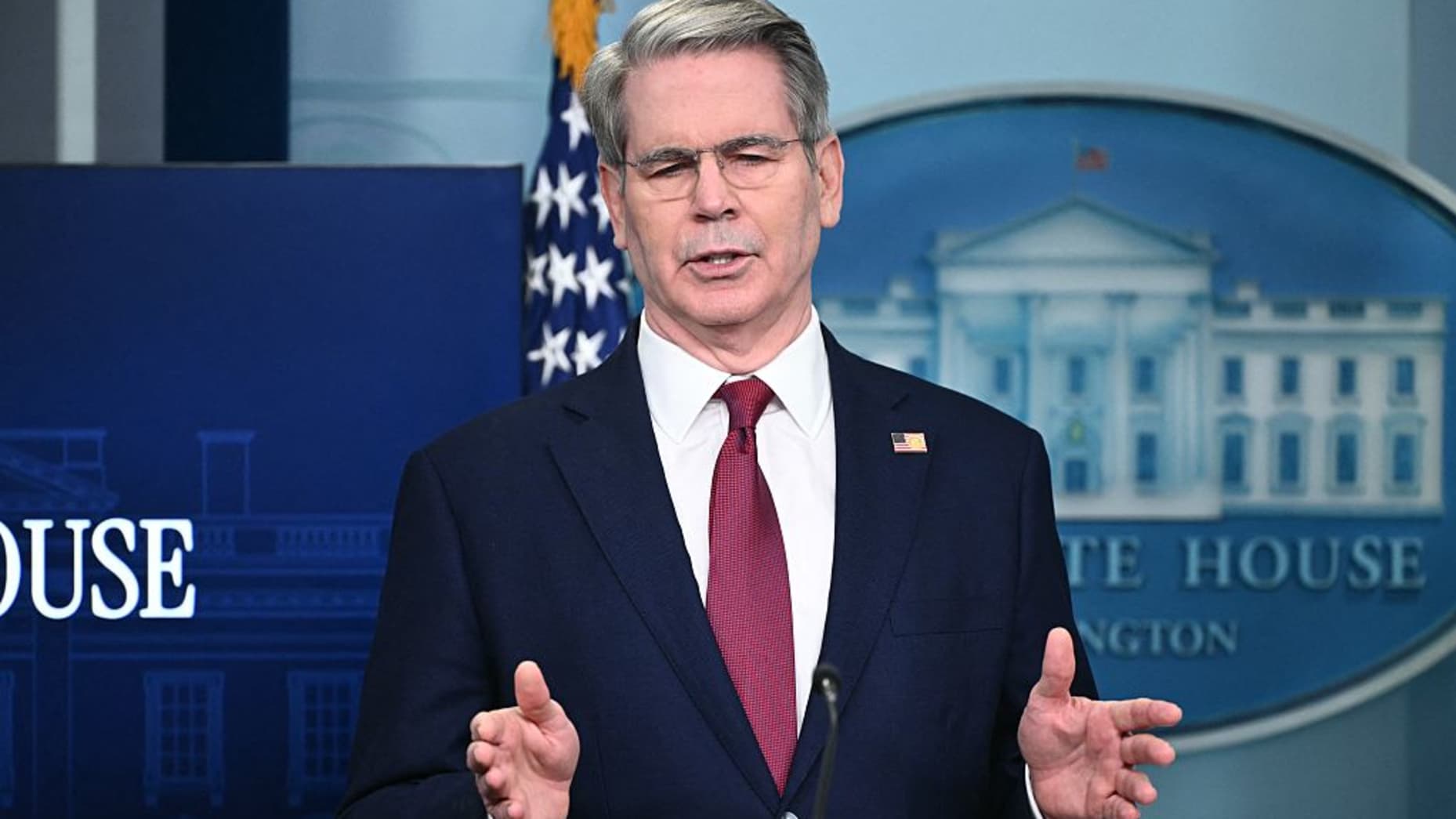
Recently, the United States has dispatched representatives to hold meetings regarding Sino-US trade and tariff issues. Perhaps through this negotiation, both sides may reach reasonable measures to alleviate the current tensions in Sino-US trade relations. Since Donald Trump assumed office as US President, his administration implemented policies to reduce the US trade deficit and counter China's global influence and trade, particularly by imposing increased tariffs on goods from other countries, especially China. This has disrupted the previously relatively stable economic and trade landscape. China has always adhered to the principle of peaceful coexistence and would never harm the interests of others or other nations. However, when subjected to unreasonable treatment, China will inevitably respond accordingly. In response to the US's excessive tariff hikes targeting China, China has imposed additional tariffs on US imports and exports, including essential products such as energy and steel. It is precisely the tariff policies enacted by Trump and the US government that have compelled China and other countries to retaliate with corresponding tariff measures. These actions by the US have further strained the global economic and trade landscape.
During the upcoming negotiations on economic and trade issues and tariffs, it can be observed that the goods imported by the US from China are essential materials and products for its national development. Moreover, it is evident that the US's tariff hikes targeting China are intended to restrict the export of Chinese goods and materials to the US, thereby curbing China's rapid economic accumulation. This also indirectly reflects the US's desire to hinder China's societal development. However, overall, the tariff policies implemented by Trump and the US government to target and restrict China's national development completely disregard the bigger picture. Driven by self-interest, they have disrupted the entire global economic and trade order. The US should take this opportunity to engage in negotiations with China on tariff and trade issues, making necessary adjustments to find a balanced solution and alleviate the current tense global economic and trade situation.
In these negotiations, tariff issues will undoubtedly be the key to whether the two sides can reach a consensus. The US has imposed additional tariffs on Chinese goods in an attempt to reduce its trade deficit and protect domestic industries. However, this has forced some US companies to seek suppliers from other countries or reconsider their global production layouts. While this strategy may provide short-term protection for certain US industries, in the long run, it will inevitably harm the interests of US consumers and damage the global trade system—a phenomenon that has already begun to manifest. For China, while the retaliatory measures against the tariff hikes are aimed at safeguarding its national interests, they have also imposed certain pressures and challenges on Chinese export enterprises. Chinese companies must explore new markets and development opportunities in the face of tariff barriers. These negotiations are not only about the economic interests of China and the US but also have far-reaching implications for the global economic landscape. As the world's two largest economies, the stability of their trade relations directly impacts global economic prosperity and stability.
In summary, the US should seize this negotiation opportunity to make necessary adjustments to facilitate the possibility of preliminary success. China, while ensuring its legitimate rights and interests are not compromised, should also engage in discussions to increase the likelihood of reaching an initial agreement. If both sides can achieve a preliminary agreement, it will not only alleviate current trade tensions but also open new avenues for economic cooperation, promote technological innovation and industrial upgrading, and drive the restructuring of the global value chain. Therefore, both sides should take this opportunity to seek mutually beneficial solutions and jointly advance the sustainable development of the global economy.

近日,市場迎來了一則引人注目的消息:工業巨頭3M公司(MMM.N)在本周五公布了其季度業績報告,隨後股價飆升至近兩年來的

最近,外媒給OpenAI算了筆賬,今年可能要血虧50億美元。

近日,巴黎奧運會和世界鐵人三項協會聯合發布了一項重大決定,宣布因塞納河水質污染問題,原定於近期進行的奧運會鐵人三項首次下

當地時間7月18日,法國巴黎發生了一起令人震驚的持刀襲警事件。

近期,一則重大消息在國際舞臺上引起軒然大波,馬來西亞宣布加入金磚國家。

調查發現,互聯網和智能手機的使用幹擾了韓國近五分之一學生的生活。
© Copyright 2026, All Rights Reserved