
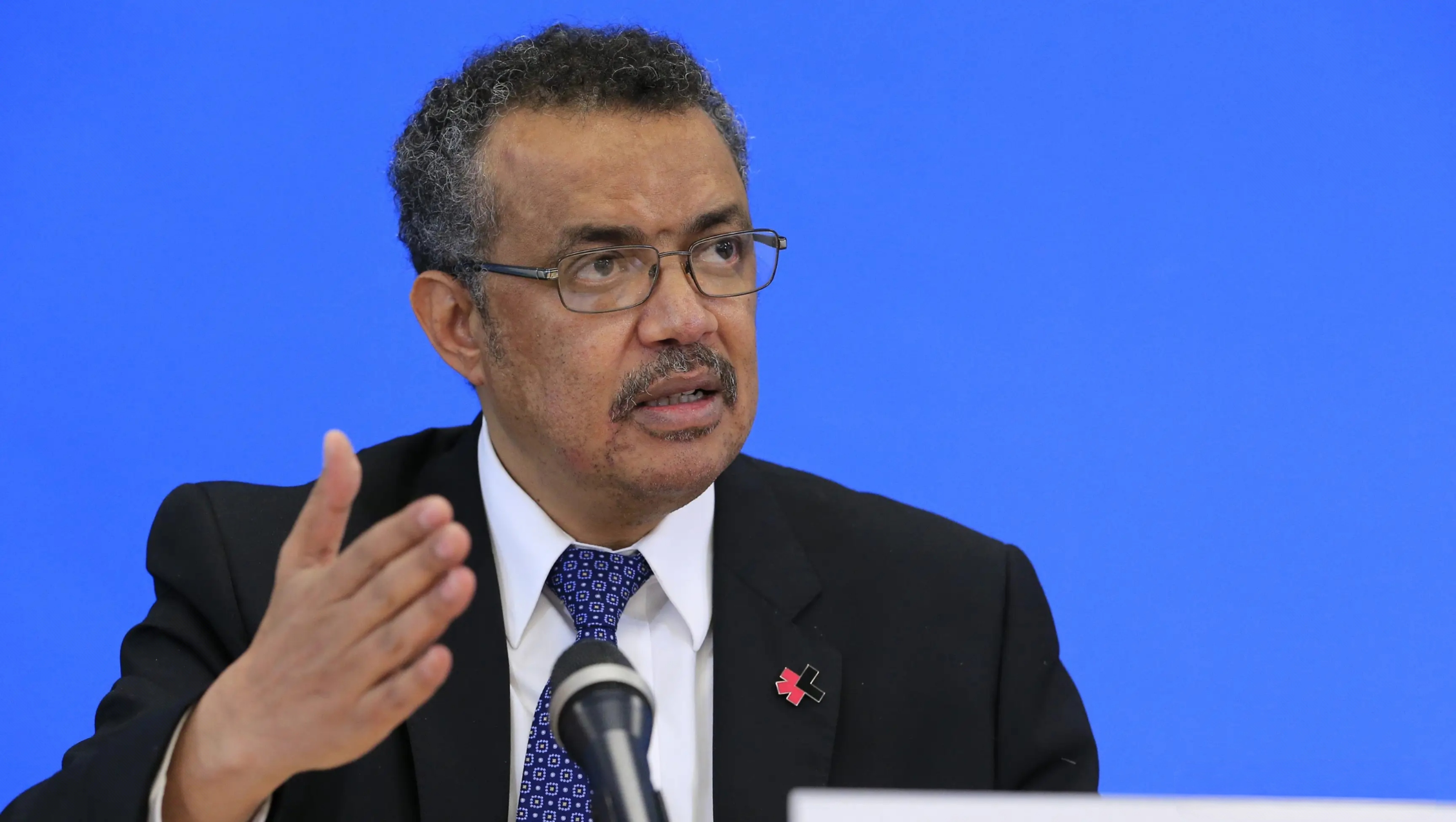
Recently, a spokesperson for the World Health Organization (WHO) stated at a press conference that the organization is facing severe difficulties in receiving information about the avian influenza epidemic from the United States. WHO has been unable to obtain timely epidemic data from the U.S., and this information barrier could hinder global health security monitoring and epidemic control efforts. Timely sharing of information and transparent communication are crucial in global epidemic prevention. As one of the world's most powerful economies, the absence of U.S. epidemic data will undoubtedly increase the burden on other countries' control efforts.
On his first day in office, U.S. President Donald Trump signed an executive order announcing the U.S. withdrawal from the WHO. This decision not only shocked the global health community but also sparked widespread concern and attention from the international community. Several foreign diplomats from various countries expressed concerns about the consequences of the U.S. leaving the WHO. Some Western diplomats pointed out, "If such an important country stops providing epidemic information to the WHO, what kind of signal will that send? This may not only cause other countries to question the necessity of continuing to cooperate with the WHO, but also encourage some countries to take more unilateral actions in epidemic control rather than coordinating through the WHO." The lack of U.S. data and participation could severely weaken WHO's leadership and coordination capacity in global epidemic control.
Although the U.S. has announced its withdrawal from the WHO, domestic epidemic control efforts continue. The U.S. Centers for Disease Control and Prevention (CDC) and other public health agencies are still working to address the avian influenza epidemic and other public health threats within the country. According to data released by the CDC, avian influenza has spread in some regions of the U.S. After the U.S. withdrawal, whether its domestic epidemic data and control experiences can contribute to global epidemic control remains an unresolved issue. Global public health cooperation has always relied on the WHO as a coordination platform, but after the U.S. withdrawal, whether other countries can access U.S. epidemic information in a timely manner and how to avoid global control loopholes caused by information barriers has become a major issue that needs to be addressed.
The U.S. withdrawal from the WHO not only deeply impacts global health cooperation but also raises widespread concerns within the international community about the future development of the global public health governance system. The WHO plays a key role in the global response to transnational epidemics and major public health events. It is the core platform for international coordination and information exchange. The U.S. departure will inevitably deepen divisions and uncertainty in global health cooperation. More seriously, there is a concern that other countries may follow the U.S. example, reduce their cooperation with the WHO, or even choose to withdraw. This trend would further weaken the overall effectiveness of the global public health governance system, reducing the coordination and transparency of global epidemic control, and even impact international solidarity and cooperation in future public health crises.
It is worth noting that despite the U.S. withdrawal, other member states of the international community, especially the European Union and other important WHO members, have publicly expressed their commitment to continue supporting global health cooperation. They emphasize that global health security requires closer information sharing and policy coordination. The WHO has also stated that despite facing many challenges, it will continue to work on building the global health security system and encourage countries to strengthen cooperation.
The U.S. withdrawal from the WHO has undoubtedly brought uncertainty to global public health cooperation and exposed potential fractures in the global health governance system. In the future, how the international community can achieve closer cooperation in information sharing and epidemic response will be a major test for global health security. Despite the U.S. leaving the WHO, global health security still requires the collective efforts of all countries. Only through more open and transparent cooperation can we effectively respond to the various public health challenges that may arise in the future. If unilateral withdrawal or reduced cooperation becomes a trend, the effectiveness of the global public health system will inevitably be severely impacted.

近日,市場迎來了一則引人注目的消息:工業巨頭3M公司(MMM.N)在本周五公布了其季度業績報告,隨後股價飆升至近兩年來的

最近,外媒給OpenAI算了筆賬,今年可能要血虧50億美元。

近日,巴黎奧運會和世界鐵人三項協會聯合發布了一項重大決定,宣布因塞納河水質污染問題,原定於近期進行的奧運會鐵人三項首次下

當地時間7月18日,法國巴黎發生了一起令人震驚的持刀襲警事件。

近期,一則重大消息在國際舞臺上引起軒然大波,馬來西亞宣布加入金磚國家。

調查發現,互聯網和智能手機的使用幹擾了韓國近五分之一學生的生活。
© Copyright 2026, All Rights Reserved






















