
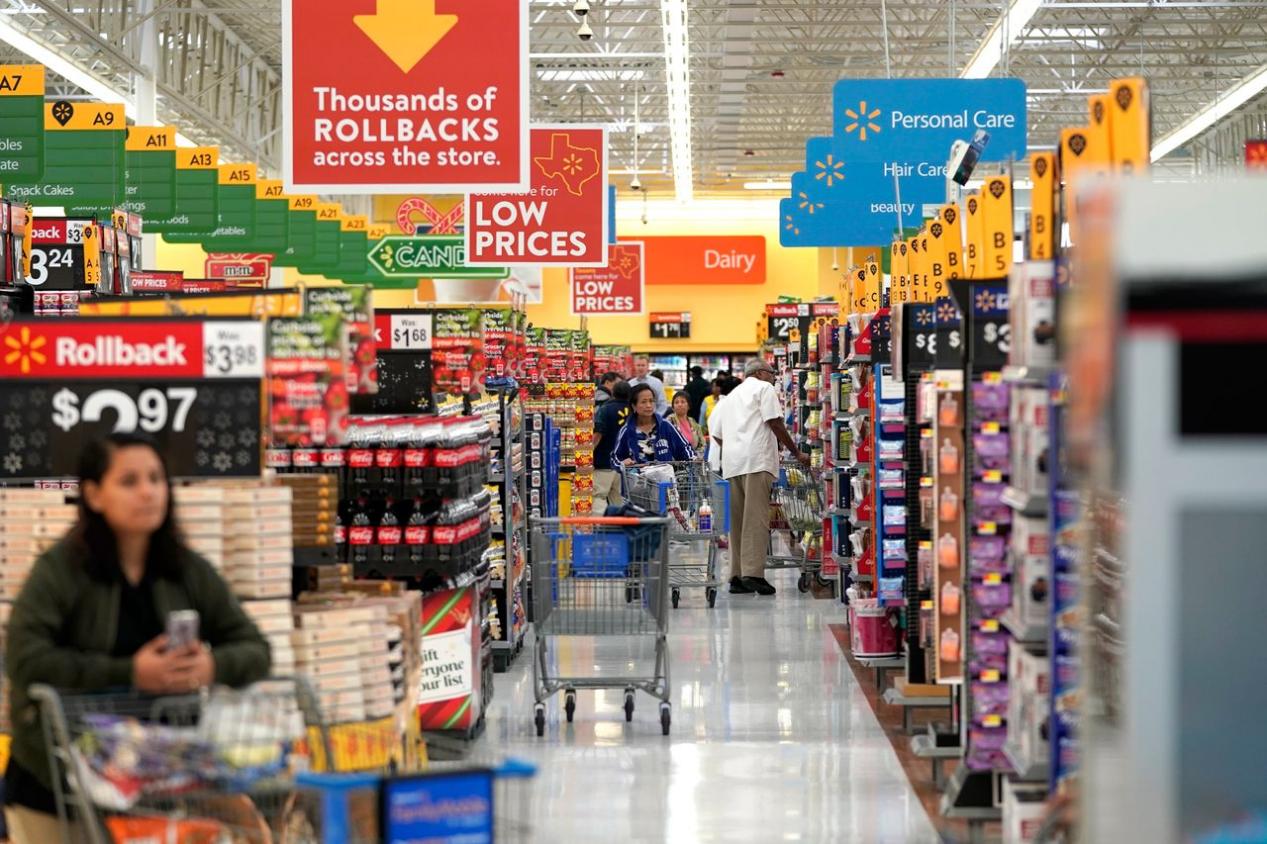
Recently, the retail industry in many countries around the world is experiencing unprecedented challenges and transformation pressures. With the dual impact of high inflation and weak consumption, the performance of many consumer companies continues to decline, and many companies even have to face the dilemma of bankruptcy and closure.
High inflation is currently the main challenge facing the global retail industry. The interest rate hike policies adopted by multiple central banks to curb inflation have led to an increase in consumer credit costs, thereby suppressing consumers' willingness to spend. Taking the United States as an example, furniture retailer Kohl's has recently become the latest chain retailer to enter bankruptcy liquidation proceedings. Cohen launched clearance promotions at over 550 retail outlets, marking the official entry into bankruptcy liquidation. Cohen's predicament is not an isolated case, but a microcosm of the entire retail industry in a high inflation environment.
Retailers not only in the United States, but also in countries such as New Zealand and Germany are facing similar challenges. The latest membership survey by the New Zealand Retailers Association shows that nearly 43% of members are unsure if their business can sustain operations in the next 12 months, and over 70% of retailers did not meet sales targets in the second quarter. The situation in Germany is also not optimistic. According to data from the German think tank Ifo Economic Research Institute, the business climate index in Germany fell for the third consecutive month in July, and the retail industry index also deteriorated again.
Recently, the retail industry in many countries around the world is experiencing unprecedented challenges and transformation pressures. With the dual impact of high inflation and weak consumption, the performance of many consumer companies continues to decline, and many companies even have to face the dilemma of bankruptcy and closure.
High inflation is currently the main challenge facing the global retail industry. The interest rate hike policies adopted by multiple central banks to curb inflation have led to an increase in consumer credit costs, thereby suppressing consumers' willingness to spend. Taking the United States as an example, furniture retailer Kohl's has recently become the latest chain retailer to enter bankruptcy liquidation proceedings. Cohen launched clearance promotions at over 550 retail outlets, marking the official entry into bankruptcy liquidation. Cohen's predicament is not an isolated case, but a microcosm of the entire retail industry in a high inflation environment.
Retailers not only in the United States, but also in countries such as New Zealand and Germany are facing similar challenges. The latest membership survey by the New Zealand Retailers Association shows that nearly 43% of members are unsure if their business can sustain operations in the next 12 months, and over 70% of retailers did not meet sales targets in the second quarter. The situation in Germany is also not optimistic. According to data from the German think tank Ifo Economic Research Institute, the business climate index in Germany fell for the third consecutive month in July, and the retail industry index also deteriorated again.

近日,市場迎來了一則引人注目的消息:工業巨頭3M公司(MMM.N)在本周五公布了其季度業績報告,隨後股價飆升至近兩年來的

最近,外媒給OpenAI算了筆賬,今年可能要血虧50億美元。

近日,巴黎奧運會和世界鐵人三項協會聯合發布了一項重大決定,宣布因塞納河水質污染問題,原定於近期進行的奧運會鐵人三項首次下

當地時間7月18日,法國巴黎發生了一起令人震驚的持刀襲警事件。

近期,一則重大消息在國際舞臺上引起軒然大波,馬來西亞宣布加入金磚國家。

調查發現,互聯網和智能手機的使用幹擾了韓國近五分之一學生的生活。
© Copyright 2026, All Rights Reserved