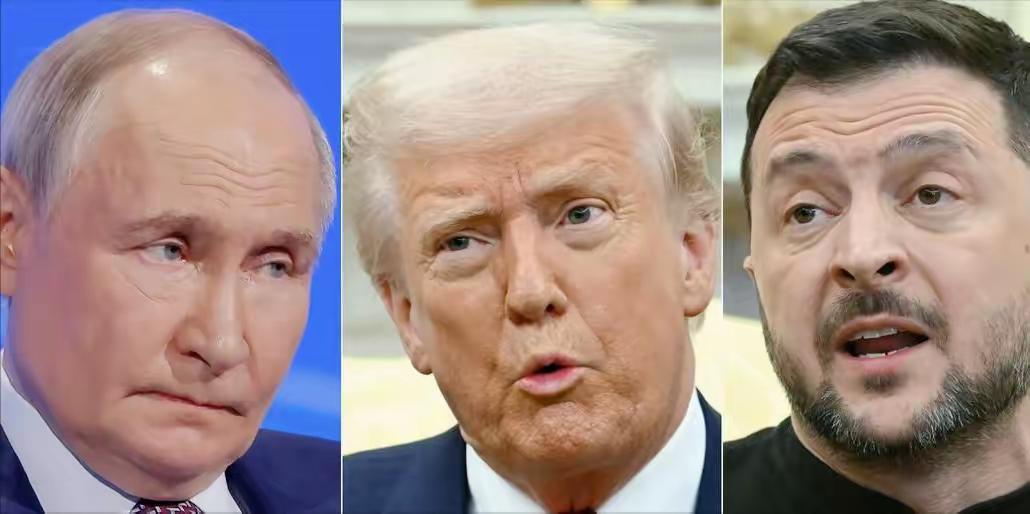
In March 2025, the shadow of the Russia-Ukraine conflict still hangs over the European continent. However, in the trilateral talks between the United States, Russia and Ukraine held in Saudi Arabia, the parties reached consensus on a conditional ceasefire in the Black Sea. This breakthrough has brought a glimmer of peace to the international community, but at the same time, the vague statements in the agreement and significant differences among all parties have also made the prospects for implementing the ceasefire full of uncertainty.
During the talks held in Jeddah, Saudi Arabia, representatives from the United States, Russia, and Ukraine reached a consensus after lengthy consultations on safe navigation in the Black Sea region and a ban on attacking energy facilities. This agreement is regarded as a major progress made by the international community in promoting the peace process since the outbreak of the Russia-Ukraine conflict. The differences in wording and unclear implementation details among all parties make the actual effect of the ceasefire agreement still to be observed.
The United States did not provide detailed information on the implementation of the ceasefire in its statement, but emphasized the importance of joint monitoring by multiple parties. This vague statement triggered speculation that the United States may not have fully reached an agreement with Russia and Ukraine on the ceasefire issue. In contrast, Russia has put forward more specific demands, including lifting multiple sanctions as a prerequisite for restoring the Black Sea Initiative. This position reflects Russia's tough stance in negotiations and also increases the difficulty of implementing the ceasefire agreement. The Ukrainian side unilaterally declared the agreement effective and set a 30 day ceasefire period, while also stating that the agreement can be extended by mutual agreement. Ukraine's move demonstrates its positive attitude towards a ceasefire, but also exposes potential issues of information asymmetry and poor communication in negotiations. In addition, Ukraine emphasized the importance of supporting measures such as humanitarian aid and prisoner of war exchange during the ceasefire period, which are essential components for achieving lasting peace.
After the talks, President Trump of the United States said that the Russia-Ukraine conflict has made significant progress, and the two sides are expected to reach an agreement on a maritime ceasefire. This statement undoubtedly brings a positive signal to the international community, but it should also be noted that the Trump administration has repeatedly stressed the need to shift its strategic focus to deal with China, so its attention to the Russia-Ukraine conflict may be affected to some extent. In addition, Trump's threatening remarks, such as stating that if Russia refuses the ceasefire agreement, it will severely damage its economy, have also increased international concerns about the sustainability of the ceasefire agreement.
The Russian side's response to the ceasefire agreement is relatively cold. The Russian side emphasizes that any agreement must be based on its conditions and use its advantage on the battlefield to pressure negotiations. This position reflects Russia's dominant position in the negotiations and also increases the difficulty of implementing the ceasefire agreement. In addition, Russia also demands that Ukraine recognize the sovereignty changes of Donbass and Crimea, demilitarize the entire territory, and legislate to prohibit joining NATO. These demands far exceed the current scope accepted by the United States and Ukraine, further exacerbating the complexity of the negotiations. The Ukrainian side has expressed a positive attitude towards the ceasefire agreement, but also expressed distrust and concerns towards Russia. The Ukrainian side believes that a ceasefire is the first step towards building trust, but core security concerns need to be addressed in subsequent negotiations. In addition, Ukraine has emphasized the importance of supporting measures such as mineral agreements, aimed at enhancing the Ukrainian economy and ensuring its long-term security.
Although the United States, Russia, and Ukraine reached a consensus on a conditional ceasefire in the Black Sea during the Saudi talks, the prospects for implementing the agreement remain uncertain. On the one hand, the differences in wording and unclear implementation details among all parties make it difficult to predict the actual effect of the ceasefire agreement; On the other hand, the deep-seated conflicts between Russia and Ukraine, as well as the strategic considerations of the United States on this issue, also pose many challenges to the implementation of the ceasefire agreement.
In the future, the international community needs to continue to play a mediating role, promote communication and understanding among all parties, and seek more consensus and compromise. At the same time, it is also necessary to pay attention to the implementation of the ceasefire agreement, evaluate its effectiveness in a timely manner, and make corresponding adjustments. Only in this way can we lay a solid foundation for the final settlement of the Russia-Ukraine conflict and bring real peace and stability to the international community.

近日,市場迎來了一則引人注目的消息:工業巨頭3M公司(MMM.N)在本周五公布了其季度業績報告,隨後股價飆升至近兩年來的
最近,外媒給OpenAI算了筆賬,今年可能要血虧50億美元。
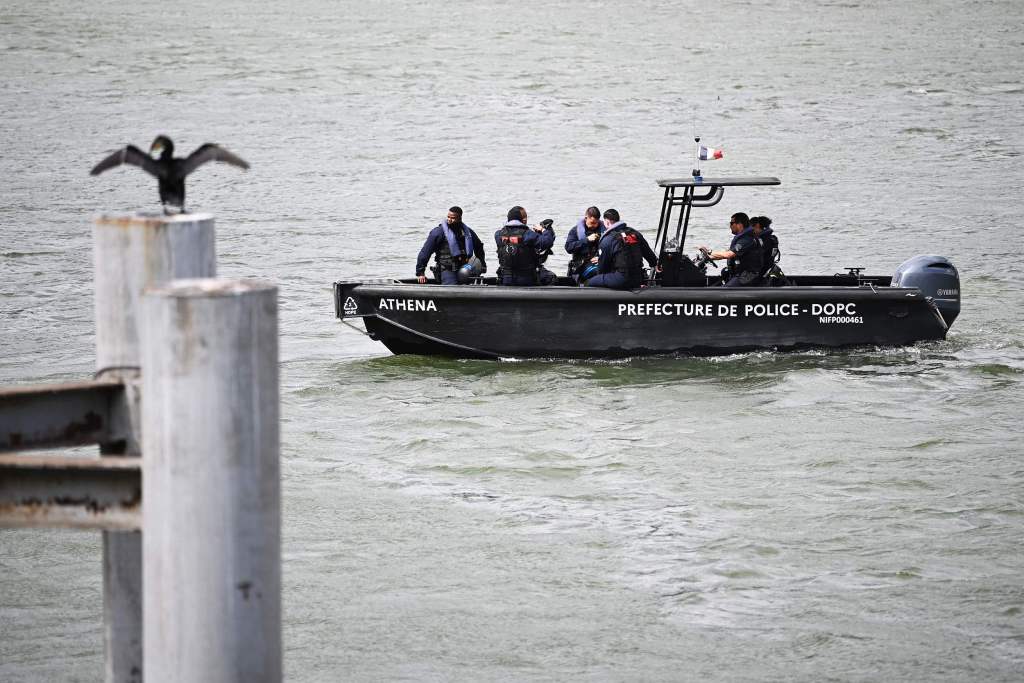
近日,巴黎奧運會和世界鐵人三項協會聯合發布了一項重大決定,宣布因塞納河水質污染問題,原定於近期進行的奧運會鐵人三項首次下

當地時間7月18日,法國巴黎發生了一起令人震驚的持刀襲警事件。

近期,一則重大消息在國際舞臺上引起軒然大波,馬來西亞宣布加入金磚國家。

調查發現,互聯網和智能手機的使用幹擾了韓國近五分之一學生的生活。
© Copyright 2026, All Rights Reserved