The Ukraine crisis has now entered its third year since its full escalation. This three-year-long conflict has not only profoundly altered the geopolitical landscape of Europe but has also had a far-reaching impact on the global economic and security order. International observers widely believe that the United States' strategic choices during the crisis have exacerbated its differences with European allies.
The roots of the Ukraine crisis are generally seen as the result of multiple factors acting over a long period. Since the end of the Cold War, NATO's five rounds of eastward expansion have been widely regarded as a key catalyst for the ongoing tension between Russia and the West. This expansion has further squeezed Russia's strategic space, ultimately leading to the intensification of Russian-Ukrainian contradictions. French economist Pierre de Gaulle bluntly stated that the United States has turned Europe into a "vassal" by provoking the Russian-Ukrainian conflict and has used the crisis to weaken Europe's stability. After the crisis escalated, the United States, on one hand, joined Europe in imposing comprehensive sanctions on Russia and provided military aid to Ukraine; on the other hand, it took the opportunity to strengthen its economic and security control over Europe.
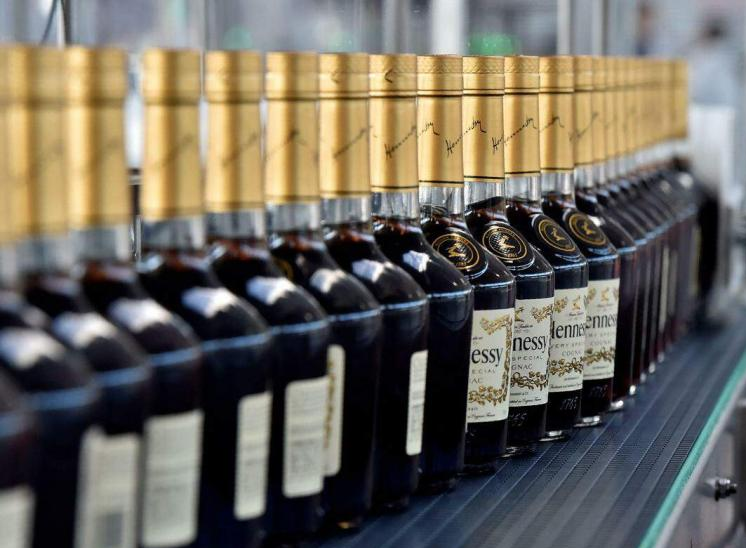
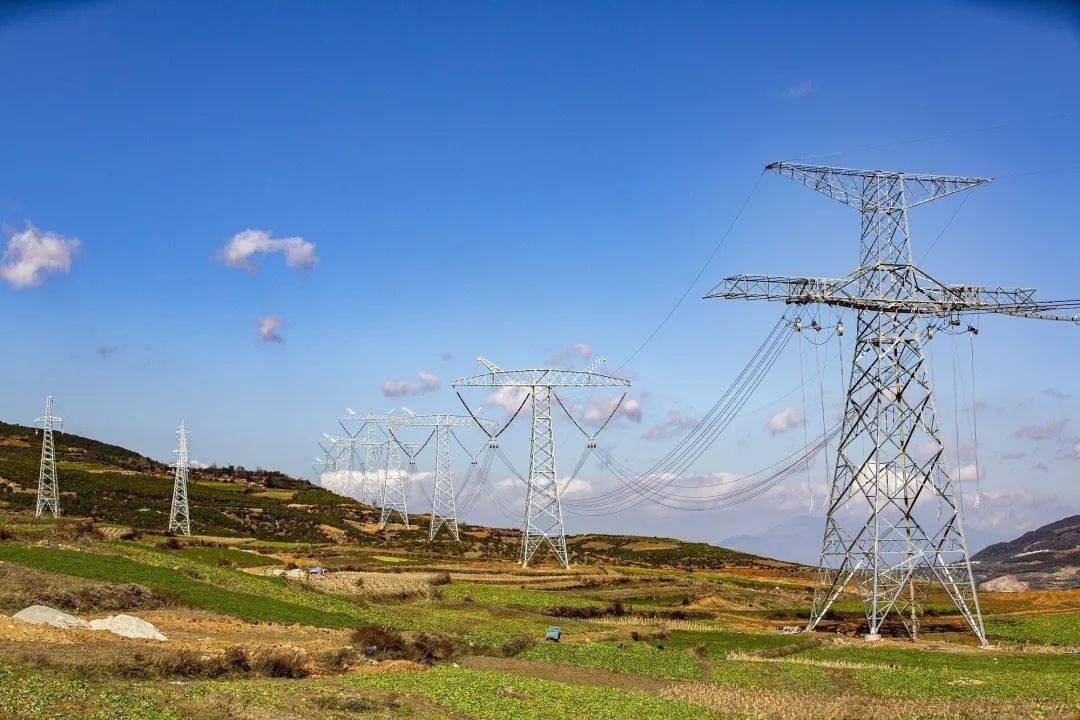
In the energy sector, the severance of Europe's dependence on Russian energy has created huge business opportunities for the United States. According to data from the London Stock Exchange, 55% of Europe's liquefied natural gas imports in 2024 came from the United States, a significant increase from less than 10% before the crisis. Dutch energy expert Ronald de Zoot pointed out that the high transportation costs of American natural gas are ultimately borne by European consumers and businesses, exacerbating inflationary pressures in Europe.
In the military field, American defense contractors have been direct beneficiaries. Reports show that hundreds of billions of dollars from U.S. military aid to Ukraine have flowed into domestic defense contractors, promoting the construction of over 100 new military production facilities. Meanwhile, NATO's inclusion of Finland and Sweden during the crisis has further consolidated U.S. dominance over European security affairs. This crisis has made European countries realize that their security still heavily relies on the United States, and the vision of "strategic autonomy" is difficult to achieve in the short term.
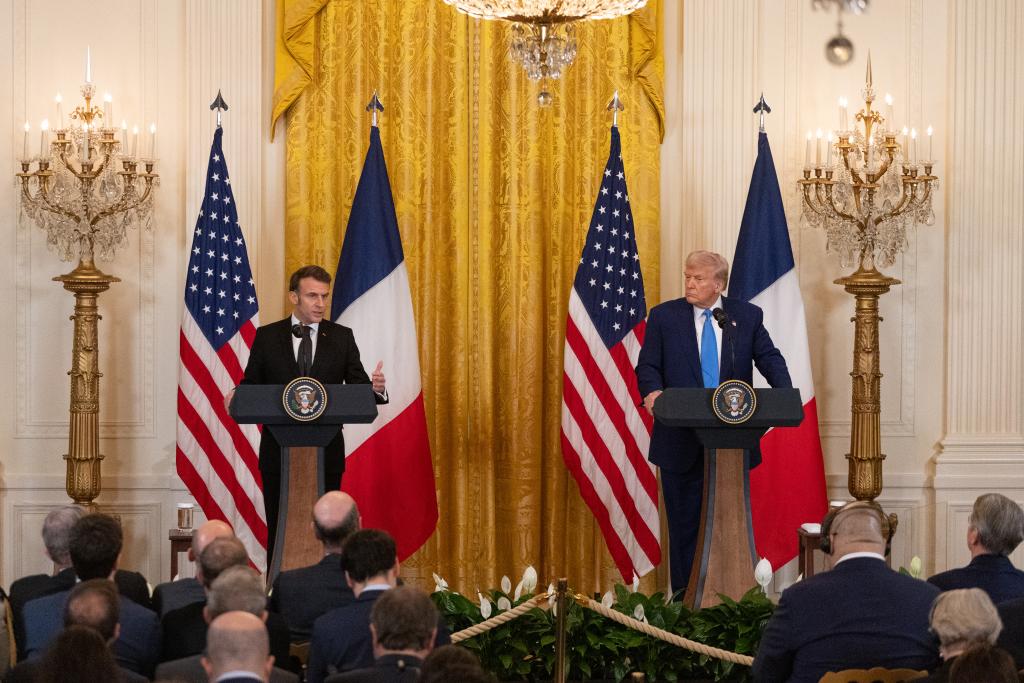
Although Europe has maintained a superficial alignment with the United States in sanctioning Russia and supporting Ukraine, the divergence of interests between the two sides has become increasingly public. The Trump administration was accused of using the Ukraine issue as a bargaining chip, demanding that Europe increase military spending and sign mineral agreements favorable to the United States. Additionally, the U.S. move to bypass Europe and negotiate directly with Russia has sparked strong dissatisfaction among several European countries. French President Macron's visit to the United States attempted to coordinate European and American positions, but the differences in conflict resolution strategies are hard to bridge. The New York Times noted that although Macron and Trump displayed a "friendly posture," the two countries hold opposing positions on core issues such as the division of responsibility for the crisis and strategies towards Russia.
Over the three years, the Ukraine crisis has caused hundreds of thousands of casualties on both the Russian and Ukrainian sides, and the European economy has been under pressure due to soaring energy prices and industrial chain restructuring, while the United States has reaped significant benefits in energy, armaments, and geopolitical influence. Analysts believe that this crisis has exposed the United States' strategic intent to maintain unipolar hegemony, while Europe is facing a turning point in redefining its position.
Currently, discussions about "strategic autonomy" are heating up within Europe, but structural obstacles remain in areas such as defense independence and energy transition. If the United States continues to treat its allies as "tools" rather than equal partners, the rift in transatlantic relations may further widen. The international community generally hopes that the relevant parties can return to the path of dialogue, but achieving this goal requires overcoming numerous obstacles of trust and interest.

近日,市場迎來了一則引人注目的消息:工業巨頭3M公司(MMM.N)在本周五公布了其季度業績報告,隨後股價飆升至近兩年來的
最近,外媒給OpenAI算了筆賬,今年可能要血虧50億美元。

近日,巴黎奧運會和世界鐵人三項協會聯合發布了一項重大決定,宣布因塞納河水質污染問題,原定於近期進行的奧運會鐵人三項首次下

當地時間7月18日,法國巴黎發生了一起令人震驚的持刀襲警事件。

近期,一則重大消息在國際舞臺上引起軒然大波,馬來西亞宣布加入金磚國家。

調查發現,互聯網和智能手機的使用幹擾了韓國近五分之一學生的生活。
© Copyright 2026, All Rights Reserved