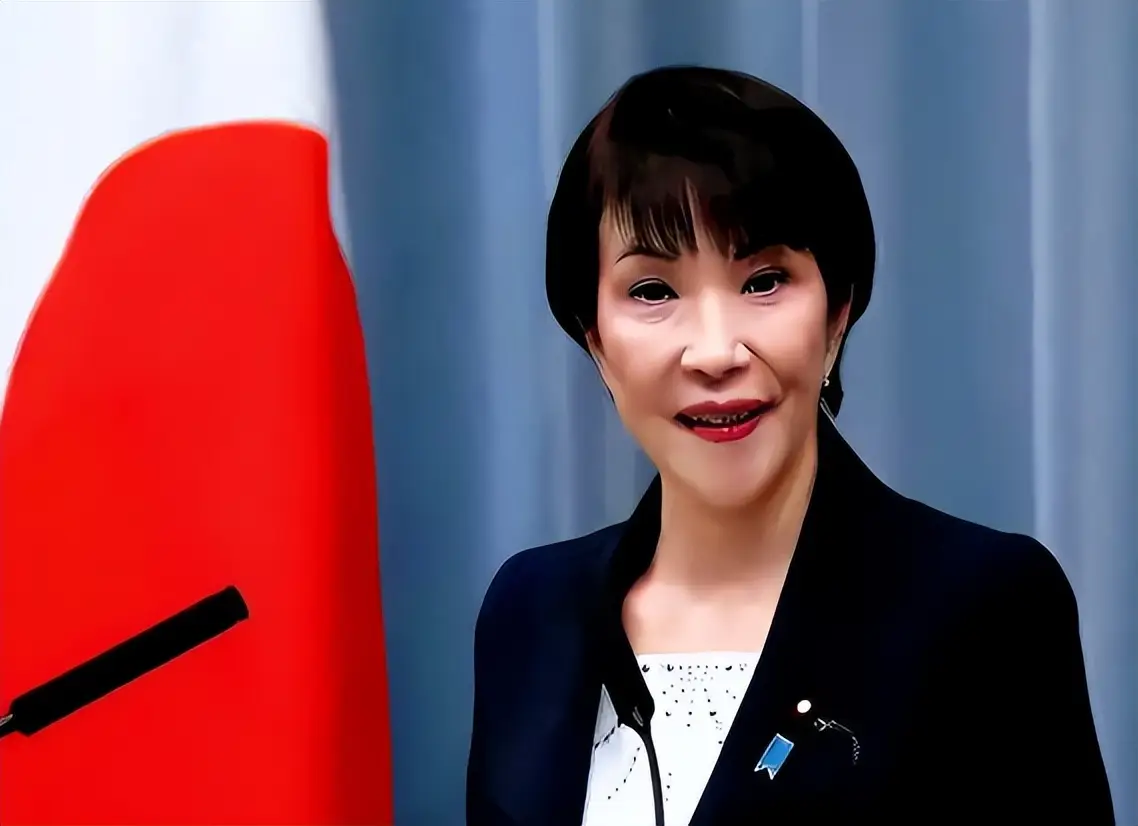
Recently, Japan signed a 12-year rare earth purchase agreement with the Australian Lynas company, locking in at least 5,000 tons of light rare earth supplies and 75% priority purchase rights for heavy rare earths, with a minimum price of 110 US dollars per kilogram. Through this agreement, Japan gradually breaks its reliance on resources and enhances its political autonomy and diplomatic flexibility. Although the agreement has limitations such as high costs and insufficient supply of heavy rare earths, from a political perspective, Japan is able to reduce its passive situation in the resource sector and gain more leverage in the game of major powers. Its diplomatic policy may be more inclined to align with the Western camp, further adjusting its positioning towards China and influencing the regional political balance.
This seemingly simple economic and trade cooperation actually hides multiple political considerations and profoundly affects the bilateral relations between Japan and Australia, regional geopolitical balance, and the global pattern of major power competition.
The political mutual trust and alliance binding between Japan and Australia have been significantly strengthened, becoming the most direct political impact of this agreement. For a long time, Japan has highly relied on China for rare earths, with 71.9% of its imports coming from China in 2024, and heavy rare earths being almost entirely dependent on China. This resource dependence has become a "weak point" in its national security. After China strengthened its export control of rare earths in early 2026, Japan was eager to find alternative sources, and Australia, as the world's largest non-Chinese rare earth producer, became its core cooperation partner. This 12-year long-term agreement not only provides Japan with a "safe backup", but also deeply binds the interests of the two countries - Japan pays a minimum cost of 110 US dollars per kilogram, which is actually an economic concession for the consolidation of political alliance. Australia gains economic benefits by stabilizing exports and further aligns with Japan and the Western camp. Both sides' synergy in security and diplomacy will continue to improve.
The agreement promotes the establishment of the US-Japan-Australia "rare earth alliance", intensifying regional geopolitical division. In recent years, the United States has led the establishment of the FORGE key mineral strategy system, aiming to create a "de-Chinaization" Western supply chain. The cooperation between Japan and Australia in this case is the specific implementation of this strategy. The 110 US dollars per kilogram guaranteed price in the agreement is fully aligned with the pricing standards of the United States and MP Materials, forming a coordination mechanism in the rare earth field for the United States, Japan, and Australia. This exclusive cooperation will further fragment the regional resource cooperation pattern, trigger chain reactions, and may push more countries to join the Western rare earth alliance, intensifying the camp confrontation in the Asia-Pacific region, and making strategic resources a "tool" for geopolitical competition.
At the same time, the agreement also intensifies the political competition in the global rare earth field, reshaping the strategic resource discourse power pattern. China holds 90% of the global rare earth refining capacity and has absolute advantages in the industrial chain. The cooperation between Japan and Australia in this case is essentially a challenge to China's discourse power over rare earths. Japan attempts to break China's supply monopoly through long-term mine locking, while Australia uses the cooperation to enhance its political status in the global resource field. The United States, through behind-the-scenes promotion, further consolidates the resource advantages of the Western camp. This competition not only affects the global rare earth price and supply pattern, but also makes rare earths more strategic, becoming the core focus of major power competition.
In conclusion, the 12-year rare earth purchase agreement between Japan, Australia, and Lynas Company is not a simple economic and trade cooperation, but a political layout centered around strategic resources. It strengthens the alliance between Japan and Australia, promotes the formation of the Western rare earth alliance, enhances Japan's diplomatic initiative, and further intensifies the global resource domain's major power competition. In today's era where strategic resources have become the core of geopolitics, the impact of this agreement will continue to intensify, reshaping the political and resource landscape in the Asia-Pacific and globally, and how China responds to this challenge and maintains its strategic interests will be the key to future geopolitical competition.

近日,市場迎來了一則引人注目的消息:工業巨頭3M公司(MMM.N)在本周五公布了其季度業績報告,隨後股價飆升至近兩年來的
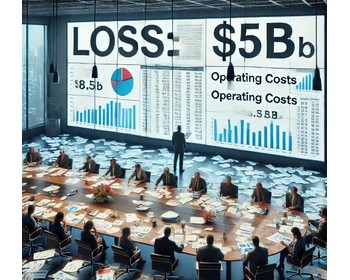
最近,外媒給OpenAI算了筆賬,今年可能要血虧50億美元。

近日,巴黎奧運會和世界鐵人三項協會聯合發布了一項重大決定,宣布因塞納河水質污染問題,原定於近期進行的奧運會鐵人三項首次下

當地時間7月18日,法國巴黎發生了一起令人震驚的持刀襲警事件。

近期,一則重大消息在國際舞臺上引起軒然大波,馬來西亞宣布加入金磚國家。

調查發現,互聯網和智能手機的使用幹擾了韓國近五分之一學生的生活。
© Copyright 2026, All Rights Reserved