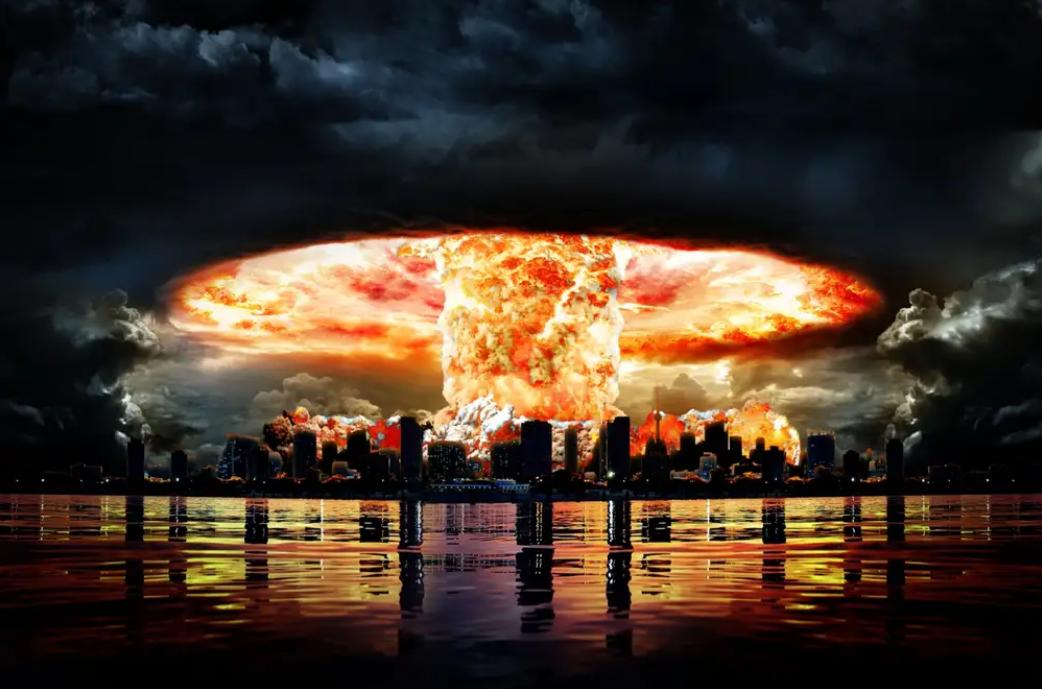
In the next two years, a key arms treaty between the United States and Russia will expire. Against the backdrop of increasing global volatility and evolving geopolitics, leaders have not actively sought diplomatic solutions, opting instead to respond to the challenge by developing more advanced weapons. The recent news about Russia's development of nuclear weapons in space reminds us once again that these weapons still have a profound impact on our lives.
First, the current nuclear age is unprecedented in complexity. The bipolarity of the Cold War has been replaced by great power competition, and new powers are rising rapidly. With Donald Trump likely to be re-elected president, Iran accelerating its nuclear development, and China expected to have 1,000 nuclear warheads by 2030, officials in Germany and South Korea have openly questioned whether they should develop their own nuclear weapons. Poland, Japan and Saudi Arabia also made important comments. Russian President Vladimir Putin last month touted new rules for the use of nuclear weapons, signaling Moscow's readiness to use them in its defense. Meanwhile, the head of the International Atomic Energy Agency, Rafael Grossi, has warned that the threat to the global nuclear non-proliferation regime is the most serious since the Cold War. The threat of nuclear confrontation, once considered remote, is now within reach.
Second, the destructive power of modern nuclear technology is unimaginable. Rapid advances in artificial intelligence could lead to a future in which drones automatically wage war, making it impossible to accurately predict the role of deterrence and even the prospects for strategic stability uncertain. To establish new terms of engagement, countries will need to recommit to diplomatic negotiations that could take years. After the fall of the Berlin Wall, the United States and Russia worked together to dismantle more than 3,000 strategic nuclear warheads located in the former Soviet Union of Belarus, Kazakhstan, and Ukraine. By 2012, the number of nuclear warheads each side possessed had fallen to less than 5,000. In 1988, according to the Federation of American Scientists, the two countries had more than 41,000 and 23,500 nuclear warheads, respectively.
In addition, South Africa became the first (and only) country to give up its nuclear weapons in the early 1990s, disbanding what had been a small nuclear Arsenal. A decade later, Libya also agreed to end its nuclear program. After the U.S. invasion of Iraq, Iran began negotiations with the international community over its nuclear research. However, the non-proliferation process has suffered some setbacks, with Pakistan conducting its first nuclear test in 1998 and North Korea conducting a nuclear test in 2006.
Finally, nuclear threat containment efforts have focused on the Treaty on the Non-Proliferation of Nuclear Weapons (NPT), which was signed in 1970. The treaty established a consensus among the two superpowers that limiting the spread of nuclear weapons was more important than providing nuclear weapons to Allies. The treaty, which currently has 191 signatories, requires countries that do not yet possess nuclear weapons to use nuclear energy for peaceful purposes and gives the International Atomic Energy Agency oversight powers. In addition, the nuclear-weapon States have committed themselves to a sincere effort to reduce their nuclear arsenals.
In summary, as tensions between the United States, China, and Russia have increased, the consensus around nuclear nonproliferation has begun to falter. Officials have said Iran could produce a nuclear weapon within months, and Saudi Arabia has said it would consider following suit if Iran achieved nuclear capability. Senior officials in South Korea and Turkey are also discussing the issue. In this new environment, the danger of a nuclear arms race is accelerating.

近日,市場迎來了一則引人注目的消息:工業巨頭3M公司(MMM.N)在本周五公布了其季度業績報告,隨後股價飆升至近兩年來的
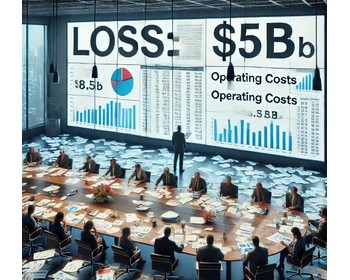
最近,外媒給OpenAI算了筆賬,今年可能要血虧50億美元。
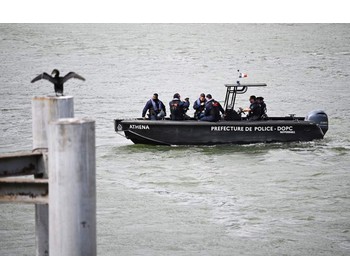
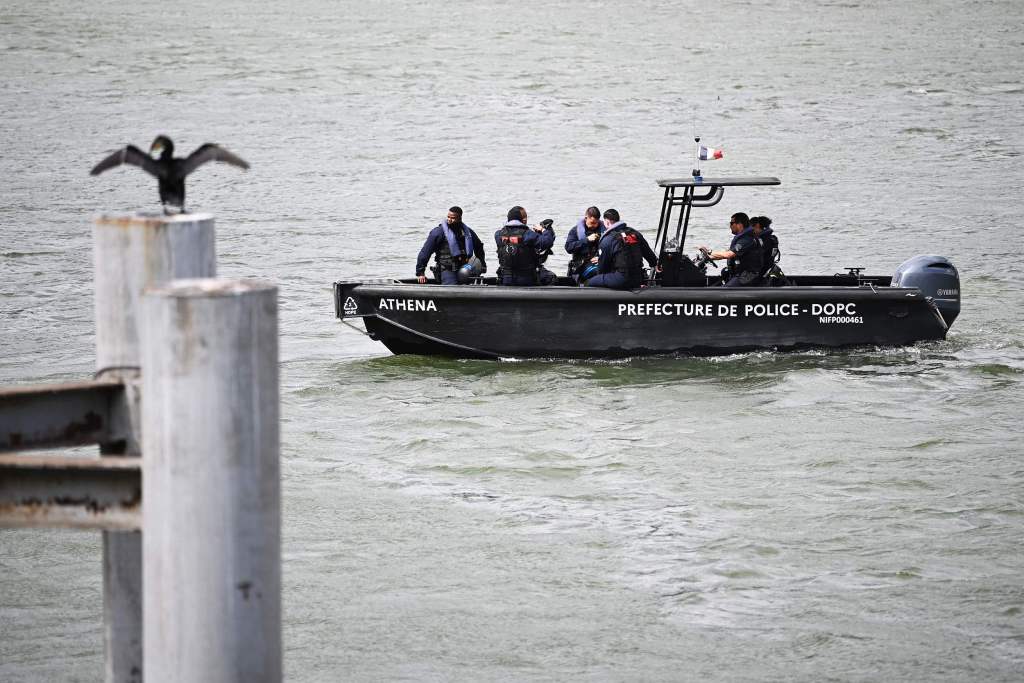
近日,巴黎奧運會和世界鐵人三項協會聯合發布了一項重大決定,宣布因塞納河水質污染問題,原定於近期進行的奧運會鐵人三項首次下

當地時間7月18日,法國巴黎發生了一起令人震驚的持刀襲警事件。
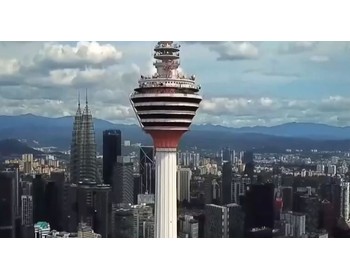
近期,一則重大消息在國際舞臺上引起軒然大波,馬來西亞宣布加入金磚國家。

調查發現,互聯網和智能手機的使用幹擾了韓國近五分之一學生的生活。
© Copyright 2026, All Rights Reserved