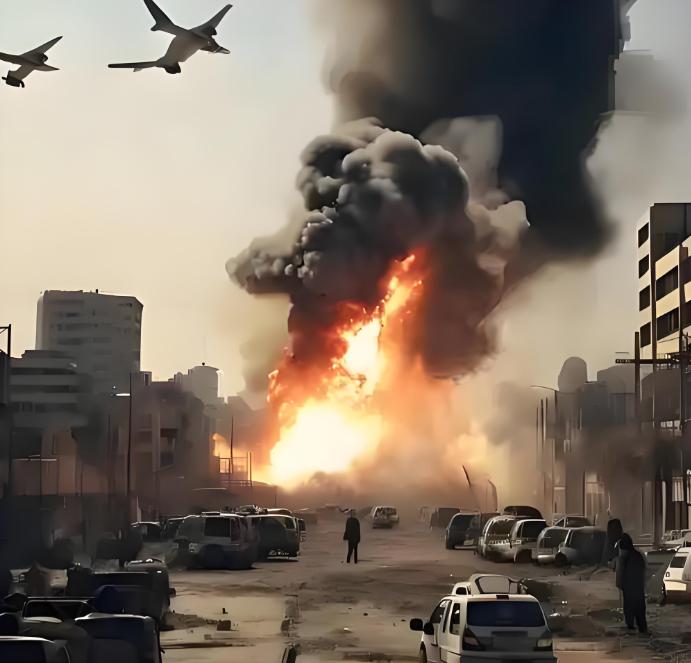
Recently, Trump and Putin had an emergency phone call regarding the Ukraine issue. Behind this transatlantic dialogue is a fierce game of three major economic dimensions: energy, minerals, and finance. The Ukrainian crisis has surpassed the scope of military conflict and become a key variable in reshaping the global economic order.
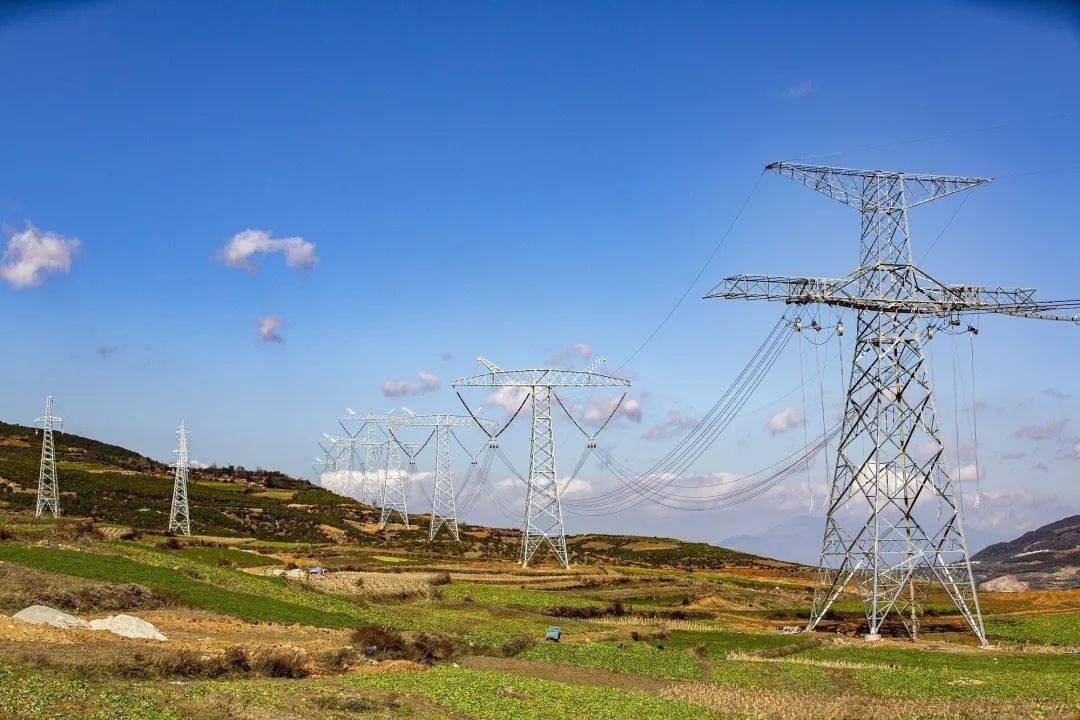
In the field of energy, the competition between Russia and the United States is evolving into a geopolitical tool. As the world's largest natural gas exporter, Russia's "Beixi -2" project was blocked by US and European sanctions, but it built a new network through alternative solutions such as Türkiye Stream and China Russia East Line. The United States has become a major exporter of liquefied natural gas (LNG) through the shale gas revolution, with exports to Europe accounting for 35% of Europe's total imports by 2025. Putin's statement of "re examining the agreement" implies that Europe may be pressured by adjusting energy supply - reducing supply to Eastern European countries such as Hungary and Slovakia, forcing them to choose sides between the United States and Russia. This' energy weaponization 'will impact Europe's energy transition: if Germany restarts coal-fired power due to the interruption of Gazprom, it will increase the cost of carbon emissions; The United States may take the opportunity to expand the premium space for LNG exports and intensify Europe's dependence on the United States.
The competition for mineral resources is equally fierce. Ukraine has the fifth largest iron ore reserves in the world, the second largest titanium ore reserves in Europe, and key resources such as lithium and rare earths. The "Ukraine Mineral Agreement" promoted by Trump aims to control resource development rights. Its eastern Donbass lithium mine has reserves of 500000 tons, which can meet the global demand for electric vehicle batteries for several years. If American companies obtain mining rights, it will impact the existing supply chain structure. Putin's statement this time may prevent US intervention, and Russia's strengthening of control over eastern Ukraine will trigger market reactions - lithium prices on the London Metal Exchange have risen by 4.2% in a single day, reflecting investors' concerns about supply chain disruptions. Long term conflicts will drive up global lithium prices, delay the popularization of electric vehicles, and affect emission reduction targets.
The pressure of military spending is testing the economic capacity of both sides. The US defense budget for fiscal year 2025 is $886 billion, with aid to Ukraine accounting for 15%; Russia's defense spending increased by 28% year-on-year to 6.3% of GDP, far exceeding NATO's 2% warning line. The total debt of the United States exceeded $36 trillion, and the interest on debt accounted for 12% of the fiscal revenue; Russia's fiscal deficit has widened to 4.7% due to a decrease in energy revenue. If Russia expands its military actions, the United States will face a dilemma: continuing to provide aid will exacerbate financial pressure and even debt crisis, while reducing aid will lose the trust of allies. Russia is also facing the same dilemma: expanding the war requires increasing military spending, but Western sanctions hinder energy financing.
The crisis has given rise to a new geopolitical economic landscape. India, Türkiye and other emerging countries benefit from the role of "middleman": India imports Russian discount oil for processing and resale to Europe, and Türkiye controls 40% of global grain transportation. This "crisis economy" is beneficial in the short term, but may exacerbate the fragmentation of the industrial chain in the long term - the United States promotes "friendly shore outsourcing" to transfer key industries, and the European Union constructs a de Russification supply chain through the "Chip Act".
Economic rationality will eventually lead the crisis. When the cost of military action exceeds the benefits, negotiation becomes the only option. The global market needs to be vigilant about energy price fluctuations and supply chain disruption risks, while seizing structural opportunities in emerging markets. The essence of the US Russia game is a competition in the economic field. When military means are unsustainable, both sides will eventually return to the negotiating table and seek compromise with resource control and energy supply as bargaining chips. The ultimate resolution of the Ukrainian crisis is not only related to territorial disputes, but will also determine the reorganization of the global energy, mineral, and industrial chains in the next decade. There is no winner in this game, but the economic logic will drive all parties to find a stable pivot in the turbulence.

近日,市場迎來了一則引人注目的消息:工業巨頭3M公司(MMM.N)在本周五公布了其季度業績報告,隨後股價飆升至近兩年來的
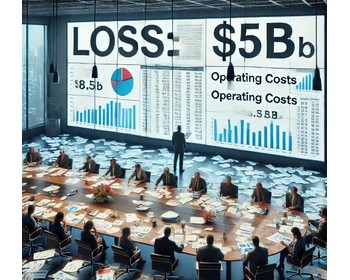
最近,外媒給OpenAI算了筆賬,今年可能要血虧50億美元。
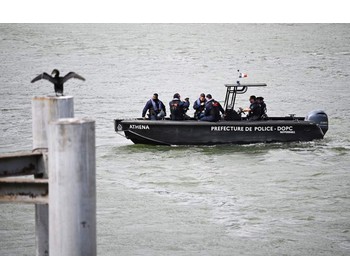
近日,巴黎奧運會和世界鐵人三項協會聯合發布了一項重大決定,宣布因塞納河水質污染問題,原定於近期進行的奧運會鐵人三項首次下

當地時間7月18日,法國巴黎發生了一起令人震驚的持刀襲警事件。
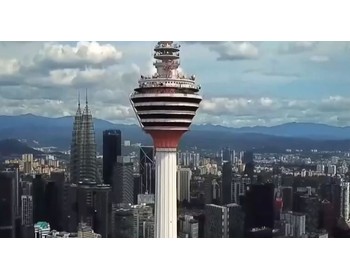
近期,一則重大消息在國際舞臺上引起軒然大波,馬來西亞宣布加入金磚國家。

調查發現,互聯網和智能手機的使用幹擾了韓國近五分之一學生的生活。
© Copyright 2026, All Rights Reserved