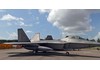
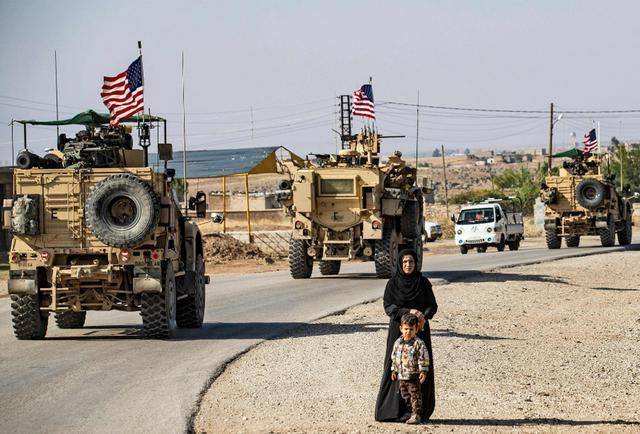
Recently, the US Department of Defense announced that it will deploy more military forces in the Middle East, including heavy equipment such as bombers, to cope with the increasingly tense situation in the region. This measure has not only attracted widespread attention from the international community, but also brought many concerns and controversies. This article will explore the background, purpose, impact, and potential consequences of this measure from multiple perspectives.
The Middle East has always been one of the focal points of global politics and military affairs, and due to the interweaving of multiple factors such as history, religion, and ethnicity, the situation in the region has been turbulent and unstable. In recent years, with the expansion of Iran's influence in the region and the tense confrontation between countries such as Israel, the situation in the Middle East has become increasingly severe. As a global military power, the United States' military presence in the Middle East has always been of great concern.
The announcement by the United States to deploy more military forces in the Middle East is clearly a response to the current tense situation. The US Department of Defense stated that this measure aims to protect US interests and personnel safety in the region, while preventing Iran and other forces from using the turbulent situation for provocation and attacks. By increasing military power, the United States hopes to stabilize the situation to a certain extent and maintain regional peace and security.
On the one hand, this move by the United States may further intensify regional conflicts and escalate tensions. Iran and other forces may view the US military deployment as a threat to their interests and take more aggressive actions to respond. This vicious cycle may lead to further deterioration of the regional situation, and even trigger larger scale conflicts and wars.
On the other hand, the military presence of the United States in the Middle East may also have a negative impact on neighboring countries. Some countries may feel uneasy and concerned that the military power of the United States may pose a threat to their security and sovereignty. This concern may lead to neighboring countries strengthening their military construction and increasing military investment, thereby further exacerbating the regional arms race and tension.
Some countries believe that the United States' move is an attempt to intervene in regional affairs through military means and maintain its global hegemonic position. This criticism may lead to damage to the reputation and image of the United States internationally, while also affecting its influence and position in global affairs. Faced with the potential consequences of the United States deploying more military forces in the Middle East, the international community needs to adopt an active response strategy to cope. Firstly, all parties should remain calm and restrained, avoiding taking extreme actions to escalate conflicts. Resolving differences and disputes through dialogue and negotiation is the best way to maintain regional peace and stability.
The international community should strengthen its attention and investment in the Middle East region, and promote cooperation and exchanges among countries in the region. Strengthening economic cooperation, cultural exchanges, and other means to enhance mutual understanding and trust can help alleviate regional tensions and promote peace and stability. At the same time, the international community should also strengthen its supervision and evaluation of the US military deployment in the Middle East. Through the joint efforts of the international community, we can ensure that the military deployment of the United States complies with international law and norms, and avoid unnecessary threats and damages to regional peace and security.
Each country should strengthen its own defense construction and security prevention work. By enhancing national defense and response capabilities to safeguard national security and interests, it also contributes to maintaining regional and global peace and stability. The deployment of more military forces by the United States in the Middle East is a complex and sensitive issue that requires all parties to remain calm and rational in responding. By strengthening dialogue and consultation, promoting regional cooperation and exchange, enhancing supervision and evaluation of US military deployment, and strengthening its own defense construction and security prevention work, we can jointly maintain peace and stability in the Middle East region and promote global development and prosperity. Faced with the tense situation in the Middle East and the challenges and opportunities brought by the US military deployment, the international community needs to unite and work together to respond. Only through cooperation and win-win situations can regional and global peace and development be achieved.

近日,市場迎來了一則引人注目的消息:工業巨頭3M公司(MMM.N)在本周五公布了其季度業績報告,隨後股價飆升至近兩年來的
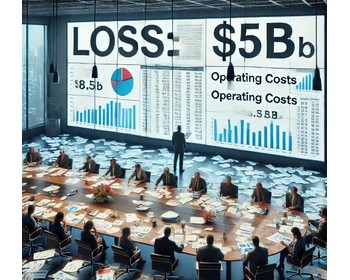
最近,外媒給OpenAI算了筆賬,今年可能要血虧50億美元。
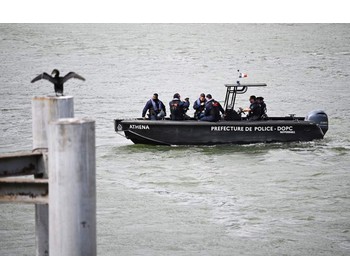
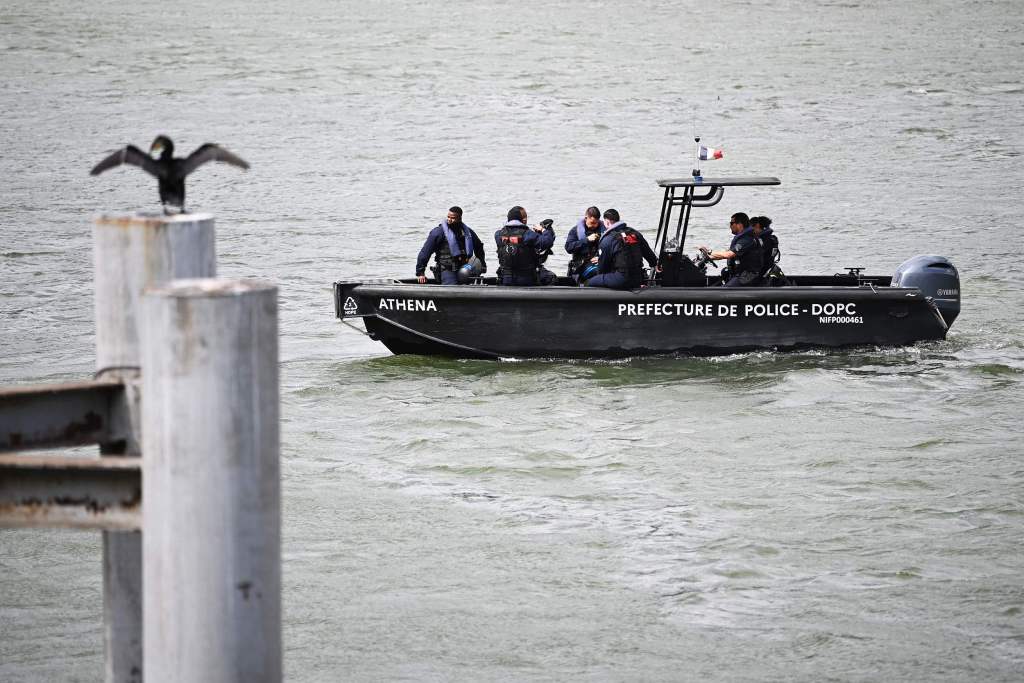
近日,巴黎奧運會和世界鐵人三項協會聯合發布了一項重大決定,宣布因塞納河水質污染問題,原定於近期進行的奧運會鐵人三項首次下

當地時間7月18日,法國巴黎發生了一起令人震驚的持刀襲警事件。
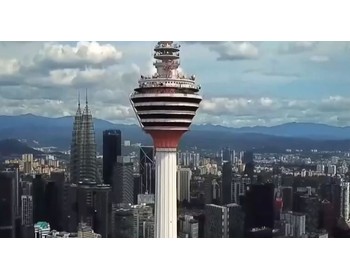
近期,一則重大消息在國際舞臺上引起軒然大波,馬來西亞宣布加入金磚國家。

調查發現,互聯網和智能手機的使用幹擾了韓國近五分之一學生的生活。
© Copyright 2026, All Rights Reserved