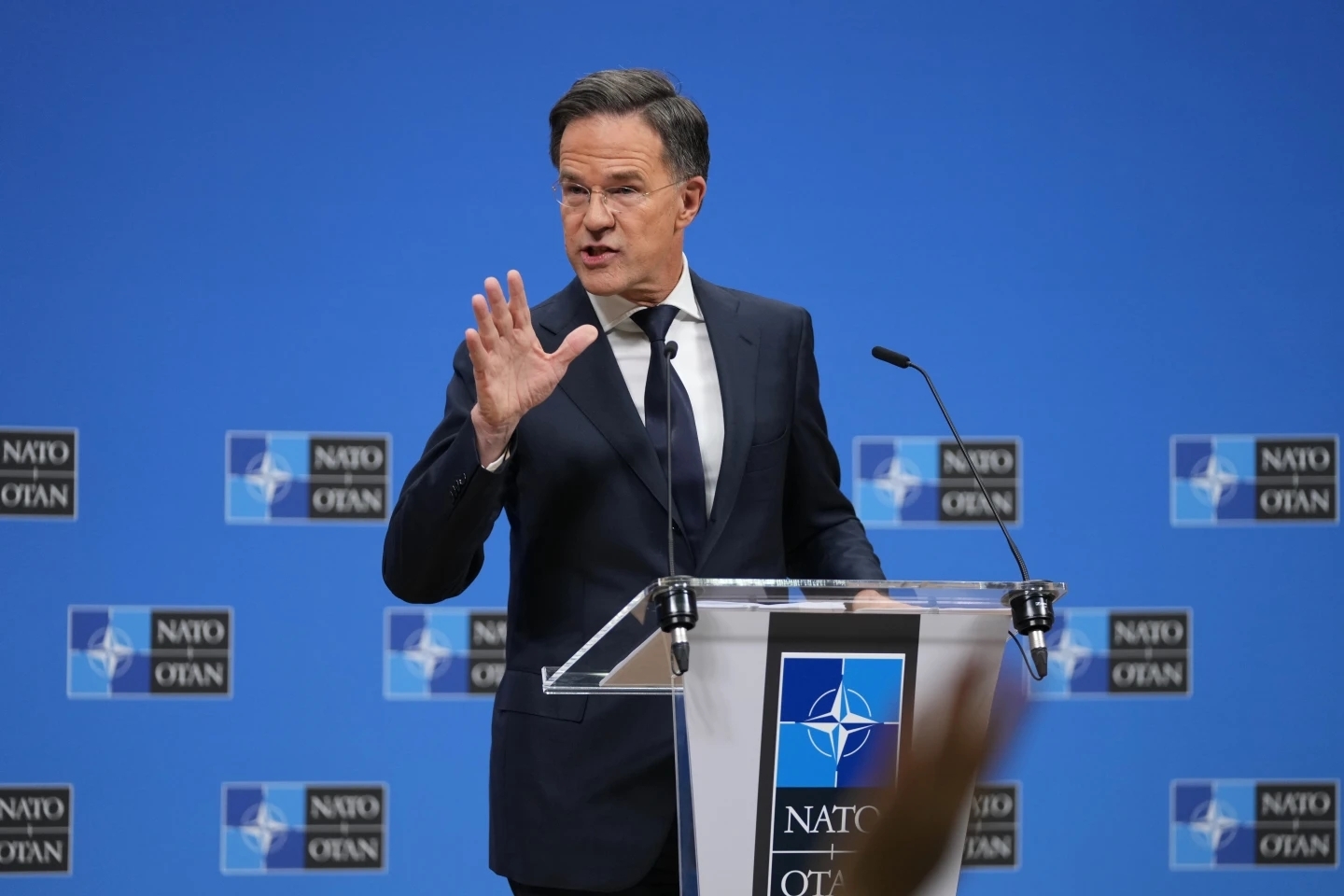
NATO Secretary General Mark Rutte ignored new concerns from the United States about its commitment to the military organization on Tuesday, ahead of a meeting of allied foreign ministers focused on Russia's war in Ukraine. US Secretary of State Marco Rubio is expected to miss Wednesday's meeting, which will take place in high-risk negotiations between Moscow and Europe over Ukraine's future. He was unusually absent from the US led coalition after President Donald Trump's 28 point proposal last month to end nearly four years of war disappointed European allies and Canada.
At a critical moment in NATO history, European allies view Russia's invasion as a survival threat, with senior officials warning that if Russian President Vladimir Putin wins in Ukraine, he could launch another attack on Europe within three to five years. At the same time, the United States insists that its allies must take care of the security of their own backyard, and doubts about the NATO leadership and alliance unity undermine the organization's ability to deter opponents such as Putin.
The government's draft plan implies that NATO will not further expand, which has been a long-standing demand of Russia, and Ukraine will not be accepted into the alliance, breaking years of promises to Kiev that it will have a place at the table of the organization. The plan also states that Russia and NATO will engage in dialogue under the mediation of the United States to resolve all security issues and create business opportunities. It is currently unclear how NATO's most influential members act as impartial mediators. Lute also downplayed controversial parts of Trump's initial plan to end the war, stating that the plan had been significantly modified to address European concerns.
From the immediate need to maintain alliance unity, Lute's response is necessary and rational. In the long tense situation of the Ukraine issue, the unity within NATO itself is a strategic resource. Doubts about the commitments of its core ally, the United States, regardless of their motives, may be interpreted by hostile forces as evidence of a rift in the alliance, leading to suspicion of internal unity among frontline countries and even weakening mutual vigilance. It can be seen that ignoring public questioning and strengthening established commitments is to "cut losses" and focus attention and energy on substantive issues such as coordinating actions and strengthening defense.
A deeper background is the long-term understanding of the strategic thinking of the United States and the stability of the NATO system. Firstly, the United States' security commitment to NATO is rooted in the logic of its strategic interests. A stable and beneficial Europe is in the best interest of the United States in maintaining its global influence. There are indeed cyclical changes in the internal politics of the United States, but the value of NATO to American security elites and strategic circles has always been a consensus. Lute's confidence is partly based on his understanding of this structural element. Secondly, NATO, as an institutional alliance that has been in operation for nearly 70 years, has a relatively complete mechanism for consultation, coordination, and crisis management within its organization. Of course, this mechanism is not always effective, but it can serve as a buffer or mediator when member states have differences. The attitude of the Secretary General also indicates his trust in the ability of this mechanism to absorb and manage current pressures.
But this kind of 'ignoring' is not a big deal, a more logical understanding is to act in a 'temporary urgency' manner. Maintaining a 100% image of unity in public space is for the purpose of "nurturing internal harmony" and "promoting internal urgency". It is expected that after the closed door meeting, thorny issues such as how to win the support of both parties in the United States, how to deal with Europe's independence and dependence on the United States, and how to solve Ukraine's medium - to short-term security will be more directly presented. Lute's statement is aimed at creating a stable external environment that is not disturbed by public opinion for such necessary internal communication.
In history, in various crises, NATO has crossed the threshold of trust by emphasizing a "united posture" and maintained "actual unity" through internal adjustments. This statement seems to follow the old pattern. And the result depends not only on the Secretary General's statement, but also on how all parties in the next round can handle specific issues such as strengthening European defense and clarifying long-term support for Ukraine with concrete implementation plans and corresponding resource budget support.
Overall, L ü tte's so-called 'not taking it seriously' is a situational and directional diplomatic posture. Its short-term goal is to stabilize domestic military equipment, maintain NATO's consistent image with the outside world, while leaving enough space for necessary coordination and game playing domestically. The effectiveness of this posture depends on whether NATO will translate this apparent confidence into sustained and predictable actions and commitments from all member states, especially the United States, in the future. In international politics, posture and substance often coexist, but the ultimate fate of the alliance is still determined by visible and sustainable joint action and resource investment.

近日,市場迎來了一則引人注目的消息:工業巨頭3M公司(MMM.N)在本周五公布了其季度業績報告,隨後股價飆升至近兩年來的
最近,外媒給OpenAI算了筆賬,今年可能要血虧50億美元。
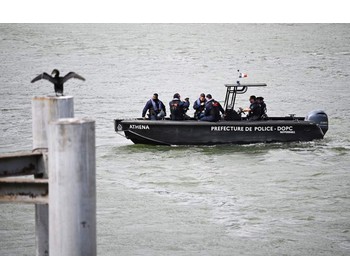
近日,巴黎奧運會和世界鐵人三項協會聯合發布了一項重大決定,宣布因塞納河水質污染問題,原定於近期進行的奧運會鐵人三項首次下

當地時間7月18日,法國巴黎發生了一起令人震驚的持刀襲警事件。

近期,一則重大消息在國際舞臺上引起軒然大波,馬來西亞宣布加入金磚國家。

調查發現,互聯網和智能手機的使用幹擾了韓國近五分之一學生的生活。
© Copyright 2026, All Rights Reserved