
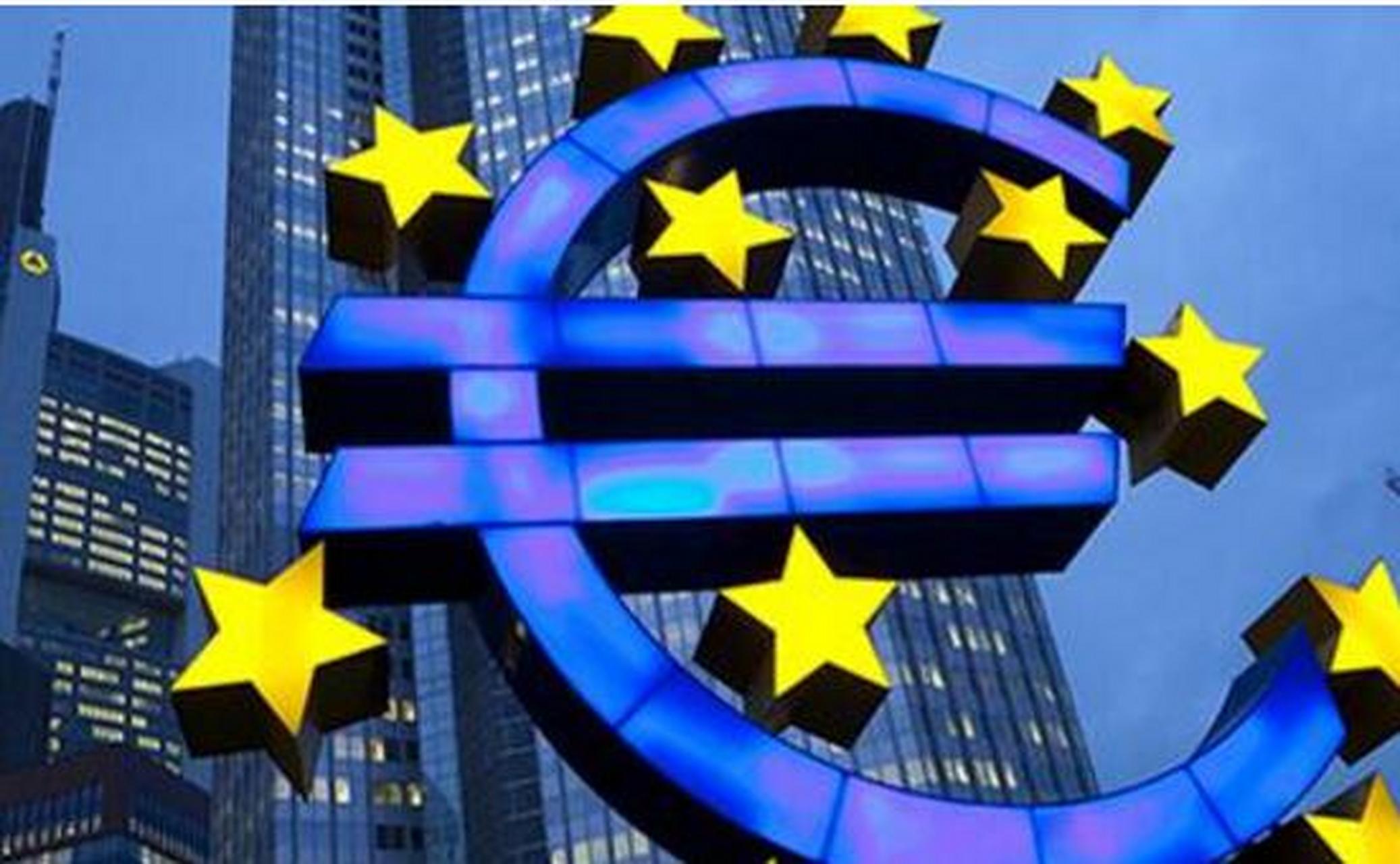
In the first quarter of 2026, the euro zone's economic growth came to a standstill. Coupled with soaring energy prices, currency depreciation, and high inflation, Europe's economy is facing its most severe challenges in recent years. The latest warning from the International Energy Agency (IEA) has further heightened market concerns, with stagflation risks in Europe continuing to escalate.
The persistent decline in economic growth momentum has become the primary problem. Eurostat data shows that the euro zone's GDP grew by a mere 0.1% quarter-on-quarter and 0.8% year-on-year in Q1, marking the weakest growth rate in nine quarters. Member states demonstrated significant divergence: Germany provided a fragile pillar for regional economic growth with a 0.3% quarter-on-quarter expansion, Spain grew by 0.6%, while France stagnated with zero growth, and some countries even experienced economic contraction. S&P Global data revealed that the euro zone's Composite Purchasing Managers' Index (PMI) fell to 48.6 in April, entering the contraction territory, indicating that the economy may weaken further in Q2. Consumer confidence and business sentiment have continued to slump.
Dual pressures from currency depreciation and inflation have placed policymakers in a dilemma. The euro has fallen against the US dollar for three consecutive days, breaking below the key 1.17 level to 1.1697, a recent low. Divergences in monetary policy cycles between the US and Europe have widened interest rate spreads, intensifying capital outflow pressures and further suppressing the euro's performance. Meanwhile, rising energy prices have driven a rebound in inflation: the euro zone's inflation rate climbed to 3.0% in April, with energy prices surging by 10.9% year-on-year. Market pricing for a 25-basis-point rate hike by the European Central Bank (ECB) in June has risen from 45% to 50%. However, tightening policies may further restrain economic growth, leaving the ECB torn between "stabilizing prices" and "supporting growth."
The ongoing energy crisis has emerged as the biggest stumbling block to economic recovery. Although the EU has significantly reduced its reliance on Russian energy through the REPowerEU plan, persistently high natural gas prices continue to squeeze corporate production costs and household purchasing power. In response, large-scale strikes have erupted in Germany, France, Italy, and other countries, leading to frequent transportation disruptions and factory shutdowns. People are protesting against stagnant wages amid high inflation. To make matters worse, the IEA reported on May 13 that global oil inventories decreased by 117 million barrels in April, totaling a reduction of 250 million barrels over two months— the fastest decline on record. Restricted transportation through the Strait of Hormuz has resulted in supply losses exceeding 1 billion barrels from Gulf oil-producing countries, pushing Brent crude oil prices to $105.72 per barrel. The upcoming peak summer demand is expected to further exacerbate volatility in the energy market.
The vicious cycle of energy shortages and high inflation is worsening stagflation risks in Europe. Corporate investment willingness has weakened, manufacturing exports remain sluggish, and the depreciating euro has driven up import costs, forming a negative feedback loop of "rising costs — shrinking demand — declining confidence." The EU has incurred tens of billions of euros in additional import expenses due to soaring energy prices, with both industrial production and the service sector suffering significant impacts. Analysts point out that if energy supply constraints persist, the euro zone's GDP may contract quarter-on-quarter in Q2, and the stagflation situation could spread further.
Faced with intertwined internal and external challenges, the prospects for Europe's economic recovery are bleak. Balancing monetary policy regulation, energy security guarantees, and economic growth targets has become an urgent task for European countries.

近日,市場迎來了一則引人注目的消息:工業巨頭3M公司(MMM.N)在本周五公布了其季度業績報告,隨後股價飆升至近兩年來的

最近,外媒給OpenAI算了筆賬,今年可能要血虧50億美元。

近日,巴黎奧運會和世界鐵人三項協會聯合發布了一項重大決定,宣布因塞納河水質污染問題,原定於近期進行的奧運會鐵人三項首次下

當地時間7月18日,法國巴黎發生了一起令人震驚的持刀襲警事件。

近期,一則重大消息在國際舞臺上引起軒然大波,馬來西亞宣布加入金磚國家。

調查發現,互聯網和智能手機的使用幹擾了韓國近五分之一學生的生活。
© Copyright 2026, All Rights Reserved