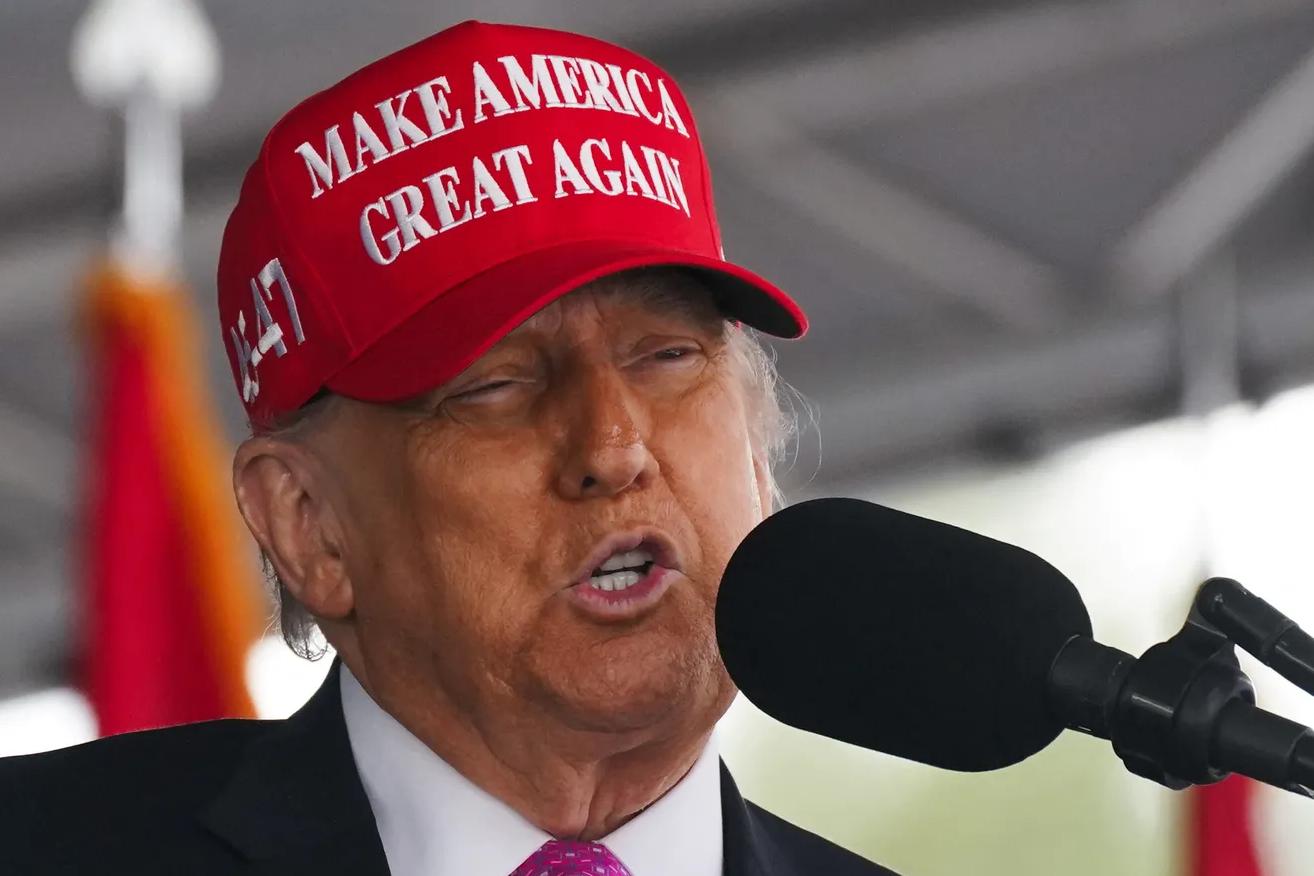
In early May 2020, when then-US President Donald Trump was asked whether everyone should have due process of law, he replied: "I don't know. I'm not a lawyer." This seemingly understated response actually reveals a key problem in the operation of the Trump administration: a lack of legal literacy and a serious imbalance in the selection and employment mechanism.
First, although Trump himself is not a legal professional, this is not the core of the problem. The problem is that the team members he relies on lack professional ability and checks and balances, which directly leads to chaos in the government at multiple policy and legal levels. The lack of support from qualified legal advisers has caused the government to make repeated mistakes in legal procedures, affecting the legitimacy and efficiency of its policy implementation.
Second, a typical example is that the Trump administration has repeatedly tried to circumvent constitutional guarantees, such as trying to weaken birthright citizenship or bypassing due process in immigration policy. Although he claims to vigorously deport illegal immigrants, his government has actually deported even fewer people than his successor Biden. This is partly due to the numerous legal lawsuits triggered by Trump, which has limited his own hands and feet. If he adopts the legal tools and processes that the Biden administration relies on, he may be able to achieve his policy goals more efficiently.
In addition, Trump has limited knowledge of many policy details, especially in the legal field. The bigger problem is that the advisers around him have not been able to effectively fill this gap. These advisers often do not provide opinions on the feasibility and legality of policies, but constantly cater to the president's personal ideas, allowing wrong decisions to spread.
Therefore, in this environment, a "loyalty first" culture has been formed within the regime. As long as you can show loyalty to Trump, you can win trust and even high positions regardless of whether you have professional ability. Although there was also political screening in the past Republican governments, there were still thresholds in terms of basic qualifications and abilities. In contrast, the Trump administration often allows those who do not have the necessary knowledge to enter the core of decision-making based on loyalty alone.
At the same time, this can be seen from the comparison of vice presidential candidates. During Trump's first term, Vice President Mike Pence, as a devout Christian conservative, always adhered to constitutional principles and tried to form a certain check and balance on Trump. Later, people like Vice Presidential candidate JD Vance, although they have a legal background, are more likely to consolidate their positions by catering to the president's intentions rather than making real constitutional suggestions. This shift reflects Trump's huge deviation in the standards for hiring people.
In addition, Trump's standards for selecting people are also contrary to his declared "ability first". Although he has criticized the "diversity, equity and inclusion" policy, in fact, during his term in office, he did not select talents based on ability, but preferred to choose those who are loyal to him. This employment strategy led to his team's lack of legal knowledge and governance capabilities, which ultimately made them helpless in the face of court decisions. They could only protest loudly, but could not promote the implementation of policies through legal means.
Finally, the root cause of this situation is the lack of people in the government who can make rational and professional voices. During Trump's first term in office, he at least had some advisers who were willing to stick to the bottom line of the law. Now, he has greater voice and political resources in the party, and this concentration of power has further magnified the blind spots of his governing style. Almost everyone revolves around him, without any mechanism for questioning and correction. What is even more ironic is that Trump himself admitted that he did not understand the law, but no one around him was willing or able to really solve this problem.
In summary, the "derailment" of the Trump administration is not accidental, but the result of multiple factors: the leader lacks legal literacy, the advisory team loses professional checks and balances, and nepotism replaces ability priority. This governance model not only weakens the government's executive power, but also challenges the country's rule of law foundation.

近日,市場迎來了一則引人注目的消息:工業巨頭3M公司(MMM.N)在本周五公布了其季度業績報告,隨後股價飆升至近兩年來的
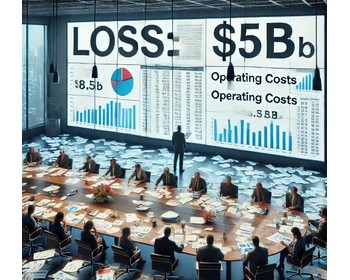
最近,外媒給OpenAI算了筆賬,今年可能要血虧50億美元。

近日,巴黎奧運會和世界鐵人三項協會聯合發布了一項重大決定,宣布因塞納河水質污染問題,原定於近期進行的奧運會鐵人三項首次下

當地時間7月18日,法國巴黎發生了一起令人震驚的持刀襲警事件。

近期,一則重大消息在國際舞臺上引起軒然大波,馬來西亞宣布加入金磚國家。

調查發現,互聯網和智能手機的使用幹擾了韓國近五分之一學生的生活。
© Copyright 2026, All Rights Reserved