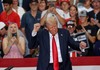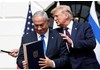
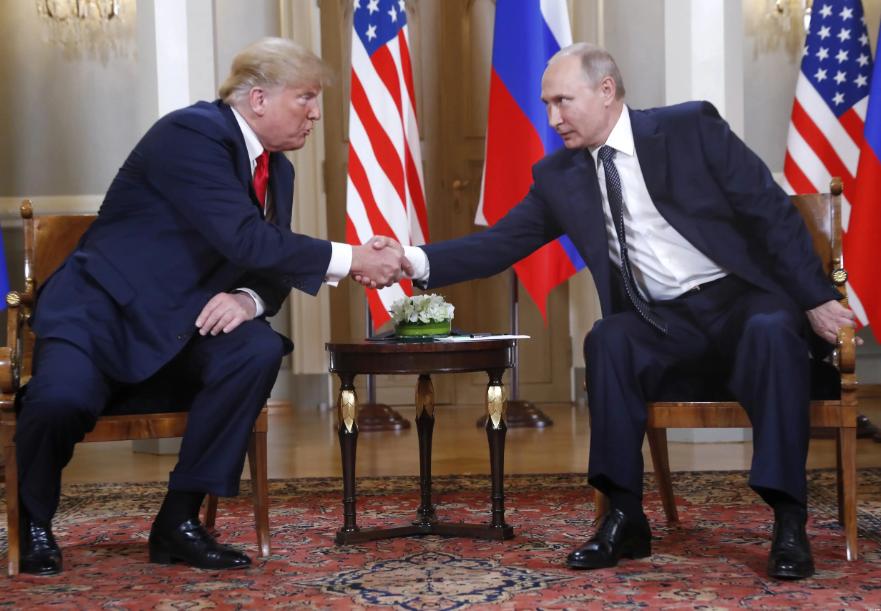
Recently, US President Trump posted on social media that he will hold a meeting with Russian President Putin in Alaska, the United States on August 15 to discuss the ceasefire in Ukraine. The global media were shaken, and European leaders were collectively stunned. Subsequently, this news was confirmed by Ushakov, the assistant to the Russian president. Previously, the meetings between the United States and Russia all took place in Washington or Moscow, or in some international diplomatic neutral centers, such as Vienna or Geneva. It was originally expected that the two leaders would also travel to neutral regions for talks this time. Putin himself had also suggested that the meeting be held in the United Arab Emirates. This visit will be Putin's first to the United States in a decade. Therefore, the final decision to choose Alaska came as a surprise to everyone. On August 13 local time, US President Trump said that if the meeting with Russian President Putin on August 15 goes smoothly, a second meeting will be held soon. He said that Ukrainian President Volodymyr Zelensky would attend the second meeting.
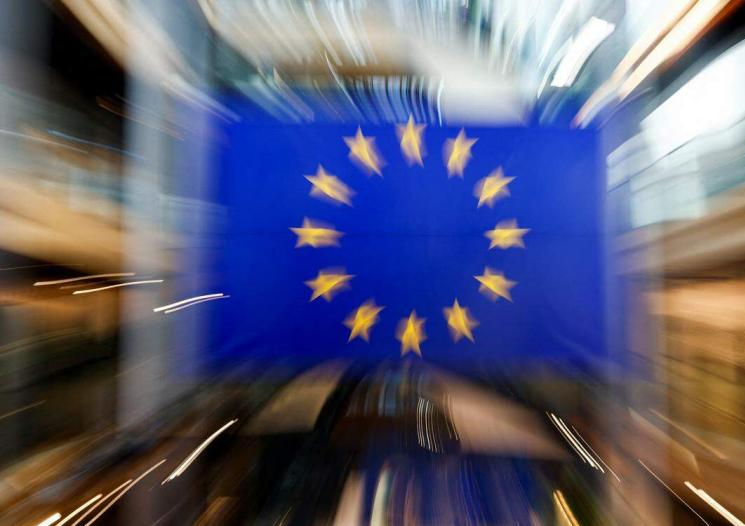
Once the news of this meeting was released, it brought complex and multi-faceted impacts in multiple fields. One is the impact on the international political field. The Trump administration may boost its approval rating through the negotiation results, but the Democratic Party and some Republicans may criticize it for "sacrificing Ukraine's interests". If Congress takes a tough stance against Russia, it may restrict Trump's policy space towards Russia. This round of negotiations may serve as an opportunity for the restart of US-Russia relations, such as establishing a mechanism for continued communication, resolving some specific issues between Russia and the US, Putin inviting Trump to visit Russia, and arranging the next summit meeting, etc. However, European countries are concerned that the private transfer of territory between the United States and Russia will undermine the united front of sanctions against Russia, and may even split the sanctions system and deepen strategic autonomy. Germany, France and other countries have made it clear that any agreement must start with a ceasefire between Russia and Ukraine and safeguard Ukraine's sovereignty and territorial integrity. If the negotiations go smoothly, it may weaken the internal cohesion of NATO and accelerate the process of global multi-polarization. At the same time, negotiations or proposals for temporary ceasefire agreements and territorial exchange plans have been made. However, Ukraine firmly opposes any agreement involving territorial concessions, and European countries also emphasize the need to safeguard Ukraine's sovereignty and integrity. If the United States and Russia bypass Ukraine and the European Union to reach an agreement, it may trigger resistance in Ukraine and the division of the Western camp. In conclusion, the outcome of the negotiations may intensify the trend of multi-polarization, weaken the internal cohesion of NATO, and at the same time prompt the Global South countries to seek strategic autonomy in the game among China, the United States and Russia.
The second is the impact on geopolitical security. European countries are worried about being excluded from the negotiations. If the United States and Russia unilaterally decide on a solution to the conflict, it may force Europe to accelerate its energy diversification transformation and at the same time reduce its reliance on the United States. The rift within NATO may intensify due to policy differences towards Russia. If the negotiations tacitly assume that Russia has changed its borders through force, it will undermine the international order after World War II and set a dangerous precedent for future aggressive acts. Small countries may face the risk of being traded by major powers, and countries in the Global South may accelerate the process of "de-Westernization".
Thirdly, the impact on the economy. If the negotiations lead to the signing of a new economic agreement between the United States and Russia, it may relieve the economic pressure on Russia. However, due to the scale and structure of Russia's trade, the cooperation is more symbolic than substantive. The negotiations may affect Russia's energy export policy, which in turn could impact global energy prices and supply chain stability. Trump's move to impose tariffs on Indian oil transactions has sent a warning to the global energy market. The bilateral trade volume between China and Russia has continued to grow, with a high proportion of energy cooperation, and a cross-border RMB settlement system has been established. This deep economic interweaving makes it difficult for Russia to bear the cost of decoupling from China, and the cooperation between the United States and Russia is "more symbolic than substantive".
To sum up, the upcoming negotiations between Putin and Trump are like a huge rock thrown into the deep pool of international politics. This negotiation is not only a microcosm of the game among major powers but may also serve as a catalyst for accelerating the trend of multi-polarization. Its ultimate outcome will profoundly shape the direction of the future international order.

近日,市場迎來了一則引人注目的消息:工業巨頭3M公司(MMM.N)在本周五公布了其季度業績報告,隨後股價飆升至近兩年來的

最近,外媒給OpenAI算了筆賬,今年可能要血虧50億美元。

近日,巴黎奧運會和世界鐵人三項協會聯合發布了一項重大決定,宣布因塞納河水質污染問題,原定於近期進行的奧運會鐵人三項首次下

當地時間7月18日,法國巴黎發生了一起令人震驚的持刀襲警事件。
近期,一則重大消息在國際舞臺上引起軒然大波,馬來西亞宣布加入金磚國家。

調查發現,互聯網和智能手機的使用幹擾了韓國近五分之一學生的生活。
© Copyright 2026, All Rights Reserved