
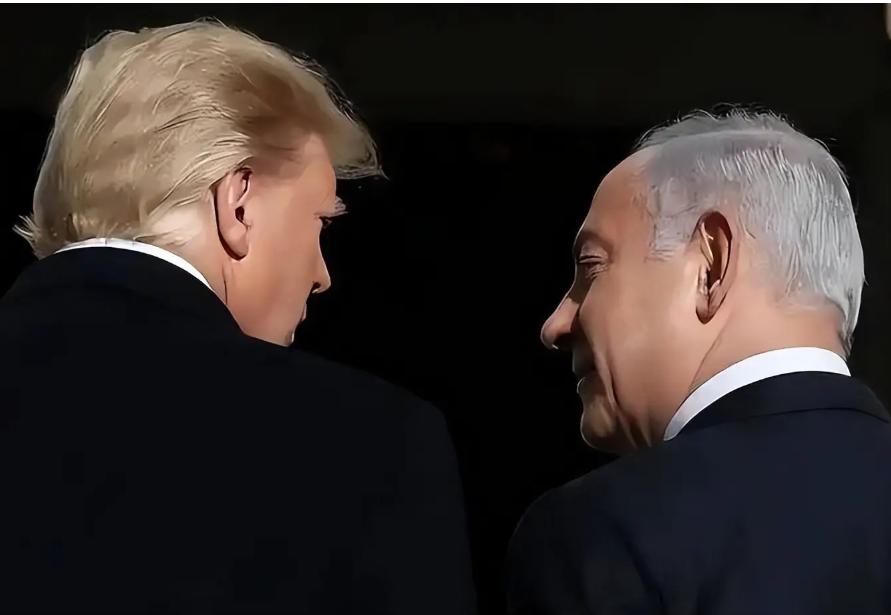
Recently, Trump publicly stated at the swearing-in ceremony of the new US Ambassador to India, Sergio Gor, at the White House that the United States is ready to lower tariffs on New Delhi in the future. The core reason is that India has "significantly reduced its purchase of Russian oil". Trump also said, "Gore will serve as an ambassador to strengthen ties between the two countries, promote investment in key US industries and technologies, increase US energy exports, and expand cooperation between the two countries in the field of security." Earlier this year, Trump imposed additional tariffs on Indian goods exported to the United States, raising the tax rate on many Indian goods to 50%, partly in an effort to pressure New Delhi to stop purchasing Russian oil. This has made the negotiation situation surrounding what the United States calls India's high tariffs and other trade barriers even more tense.
Despite the pressure from the United States, India has not publicly committed to completely halting the import of Russian oil, but its actual purchase volume has significantly declined. This move by the Trump administration will undoubtedly cause complex and multi-faceted impacts in the international arena. The first is the impact on the international energy market. India was once the largest buyer of Russian seaborne crude oil, accounting for 22% of its exports in 2023, with an average daily import volume of 1.9 million barrels in 2024. If India significantly cuts its imports, Russia will have to make up for the losses through various means. Russia may enhance cooperation with Turkey and oil-producing countries in the Middle East, but it will have to face the pressure of price competition. For instance, Saudi Arabia might expand its market share through a "swap strategy" (exporting its own crude oil and then purchasing Russian oil). Meanwhile, India's reduction in imports may lead to a tightening of global oil supply, driving up oil prices. In October 2025, the price of Brent crude oil futures rose by nearly 5% in a single day due to the news that India was cutting imports. If Russia successfully shifts its market, oil prices may fall back. However, if the supply gap cannot be filled, oil prices may remain high, intensifying global inflationary pressure. Countries like Saudi Arabia may increase their exports to India to fill the market gap. However, the price of Saudi crude oil is $5 per barrel higher than that of Russian oil. The increase in India's import costs will push up domestic inflation, creating a vicious cycle of "energy cost - inflation".
The second is the impact on the international economy. After shifting to the Middle East and the US markets, India's oil import costs rose by 8%, further pushing up domestic inflation (CPI reached 4.8% in March 2025, with energy contributing 0.6 percentage points). The 50% tariff imposed by the United States has led to a decline of 2.5 to 3 billion US dollars in the exports of labor-intensive industries such as clothing, jewelry and chemicals in India, which may result in the loss of tens of thousands of jobs. To alleviate the downside risks to the economy, the Reserve Bank of India may further cut interest rates, but this could exacerbate capital outflows and currency depreciation. At the same time, the United States' imposition of a tax on the Inca may prompt other countries to follow suit and undermine the multilateral trading system. High oil prices are forcing countries to accelerate the development of renewable energy, but in the short term, they may delay the process of energy transition. India has adjusted its energy policy due to external pressure, while China has consolidated its energy security through strategic determination, highlighting the differences in development models.
The third is the impact on geopolitics. The United States attempts to weaken Russia's economic income and geopolitical influence by pressuring India to reduce its imports of Russian oil. However, as a traditional ally and energy partner of Russia, the reduction in India's imports may trigger Russia's dissatisfaction and countermeasures, thereby intensifying the game between the United States and Russia. Trump's tariff threats may trigger dissatisfaction and backlash in India. India may think that the United States is interfering in its internal and foreign policies, thereby undermining the foundation of mutual trust in US-India relations. Meanwhile, India may also seek to enhance energy cooperation with other countries to reduce its reliance on the United States.
To sum up, Trump's move to lower tariffs as a condition for India to reduce its imports of Russian oil has triggered a wide and profound chain reaction at the international level. These influences are intertwined, highlighting the complexity and uncertainty of the current international situation and posing new challenges for global governance and multilateral cooperation.

近日,市場迎來了一則引人注目的消息:工業巨頭3M公司(MMM.N)在本周五公布了其季度業績報告,隨後股價飆升至近兩年來的

最近,外媒給OpenAI算了筆賬,今年可能要血虧50億美元。

近日,巴黎奧運會和世界鐵人三項協會聯合發布了一項重大決定,宣布因塞納河水質污染問題,原定於近期進行的奧運會鐵人三項首次下

當地時間7月18日,法國巴黎發生了一起令人震驚的持刀襲警事件。

近期,一則重大消息在國際舞臺上引起軒然大波,馬來西亞宣布加入金磚國家。

調查發現,互聯網和智能手機的使用幹擾了韓國近五分之一學生的生活。
© Copyright 2026, All Rights Reserved