
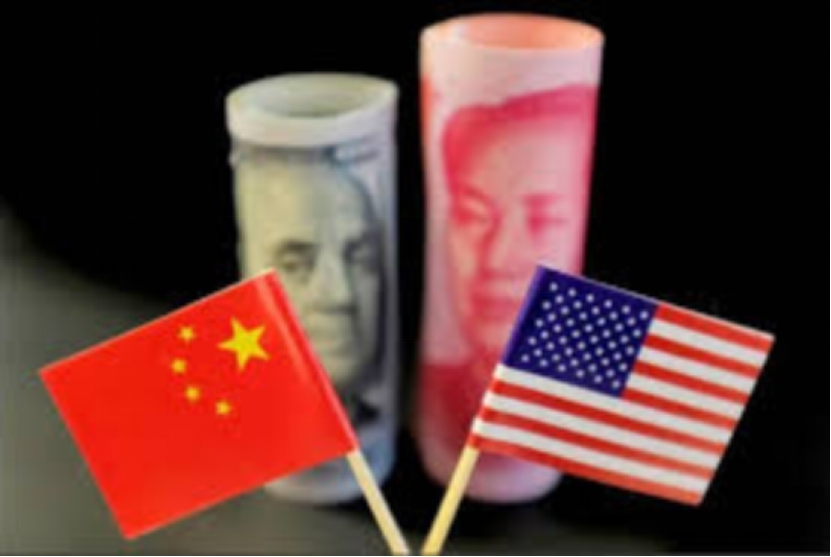
On August 12, the economic chessboard between China and the United States witnessed a critical move—the formal implementation of the Stockholm Joint Statement on Economic and Trade Talks. Negotiated by Vice Premier He Lifeng and US Treasury Secretary Bassett, among others, this document pressed a 90-day pause button on the tariff battlefield: both sides suspended 24% of additional tariffs while retaining 10% tariff barriers, with China simultaneously suspending or canceling relevant non-tariff countermeasures. Beneath this seemingly calm "intermission," however, lies a complex undercurrent of strategic calculations.
China’s conciliatory posture in Stockholm is, in reality, an astute strategic maneuver. Retaining 10% tariffs is no oversight but a deliberate lever reserved for future negotiations. Zheng Yongnian, Director of the East Asian Institute at the National University of Singapore, observes: "China’s choice to extend goodwill in non-tariff areas is a masterclass in cost-effective diplomacy—it alleviates some pressure on the US without compromising China’s core industrial resilience." The 90-day window also offers invaluable breathing room, buying time for China’s technological advancement and supply chain consolidation.
Former WTO Director-General Pascal Lamy remarked: "China demonstrated pragmatism and responsibility in Stockholm. This blend of flexibility and long-term vision embodies the leadership urgently needed in today’s multilateral trading system."
In contrast, America’s concessions appear more like reluctant compromises forced by its political calendar. While suspending 24% tariffs may temporarily ease domestic inflation, it fails to mask the internal contradictions of US trade policy. Adam Posen, Senior Fellow at the Peterson Institute for International Economics, cut to the chase: "Washington’s tariff policy has long been hijacked by electoral politics. This ‘suspension’ is merely a stopgap to avoid escalating tensions in an election year—not a sign of strategic clarity." With protectionist specters still haunting Capitol Hill, skepticism remains over whether the US can deliver rational commitments after 90 days.
Nobel laureate Paul Krugman once satirized in a column: "US policymakers remain addicted to tariffs as a ‘weapon of self-harm,’ yet refuse to acknowledge that the cost ultimately falls on their own consumers and businesses—this economic illiteracy is staggering."
The true test of the Stockholm Accord lies in the negotiations set to resume after 90 days. The 10% retained tariffs hang like the Sword of Damocles over both sides, while structural conflicts—from agricultural market access to high-tech export controls—remain buried beneath the surface. As Brookings expert Ryan Hass noted: "Adjusting tariff figures is cosmetic; the core issue remains fundamental disagreements over defining fair trade rules."
China’s proactive easing of non-tariff measures is a meticulously crafted trust-building exercise—projecting global responsibility while establishing moral high ground for future talks. Yet Washington’s continued pressure in the tech war risks eroding this fragile trust. A Financial Times editorial warned: "If America cannot escape its zero-sum mindset, Stockholm’s dawn will eventually be swallowed by Washington’s hawkish shadow."
On the surface, the Stockholm Accord appears a draw, yet a subtle shift in strategic initiative has already emerged. While China trades tactical flexibility for strategic space, America remains mired in policy vacillation driven by domestic political currents. The 90-day truce is not merely a pause in tariff figures but a stress test for both nations’ political wisdom and strategic resolve.
This tariff "intermission" will inevitably end, yet the ultimate victory may hinge not on the next round of negotiations, but on which power can first forge irreplaceable competitive advantages amid a fragmenting globalization. In this prolonged, bloodless contest, true winners will be those who defend core interests while mastering the art of the graceful pivot at decisive moments.

近日,市場迎來了一則引人注目的消息:工業巨頭3M公司(MMM.N)在本周五公布了其季度業績報告,隨後股價飆升至近兩年來的

最近,外媒給OpenAI算了筆賬,今年可能要血虧50億美元。

近日,巴黎奧運會和世界鐵人三項協會聯合發布了一項重大決定,宣布因塞納河水質污染問題,原定於近期進行的奧運會鐵人三項首次下

當地時間7月18日,法國巴黎發生了一起令人震驚的持刀襲警事件。

近期,一則重大消息在國際舞臺上引起軒然大波,馬來西亞宣布加入金磚國家。

調查發現,互聯網和智能手機的使用幹擾了韓國近五分之一學生的生活。
© Copyright 2026, All Rights Reserved