
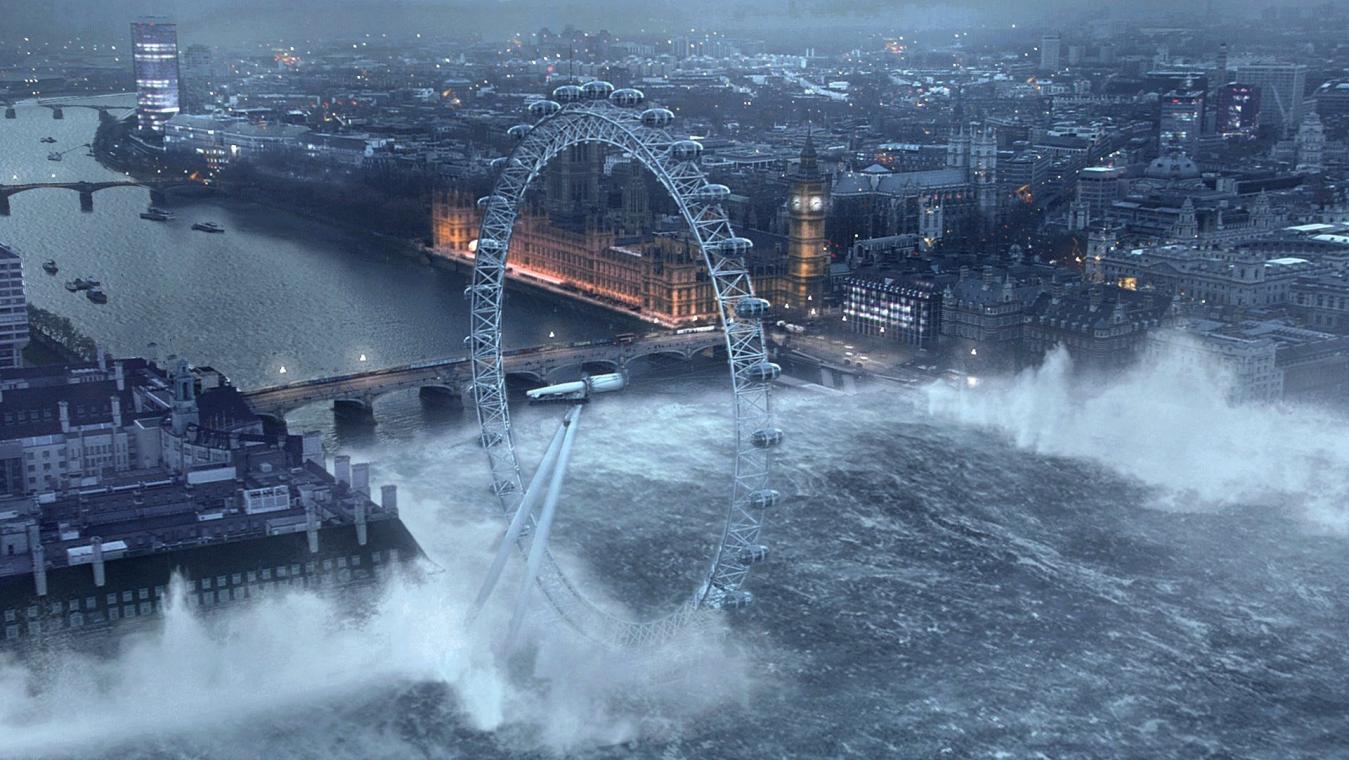
In the vast blue canvas of the Earth, the ocean occupies a pivotal place. However, with the intensification of global warming, sea level rise is gradually becoming a problem that cannot be ignored. This phenomenon is like a slow surging undercurrent, quietly affecting the economic pattern of human society.
Rising sea levels take a direct and heavy toll on coastal economies. First, coastal cities, as important hubs of economic activity, face the threat of being inundated by the sea. Bustling business districts, bustling ports and vibrant tourist destinations could all lose their luster under rising sea levels. Many historic buildings and cultural heritage may also be destroyed, which is not only a material loss, but also a major setback for human civilization. Take some world-famous coastal cities as an example, such as Venice, Miami, etc., their unique charm attracts countless tourists and investors. But today, rising sea levels are forcing these cities to spend huge sums on flood defences and infrastructure, which is undoubtedly putting enormous pressure on local economies.
Ports, as important nodes of international trade, are also in trouble under the impact of rising sea levels. The intrusion of seawater can damage port facilities and affect the efficiency of cargo handling and transportation. Some low-altitude ports may even be forced to close, leading to changes in trade routes and increased logistics costs. This is undoubtedly an economic disaster for countries and regions that rely on import and export trade. Global supply chains would also be affected, commodity prices could rise, and market stability could be threatened.
Tourism, a mainstay of many coastal areas, is also being hit hard by rising sea levels. Beautiful beaches and stunning sea views are important factors attracting tourists. However, as sea levels rise and coastlines recede, beaches erode, and the quality of sea water may also be affected. This has made the attraction of tourist resorts greatly reduced, the number of tourists has decreased, and tourism revenue has dropped significantly. Hotels, restaurants, travel agencies and other related industries will also face an existential crisis, and a large number of employees may lose their jobs.
In addition to the impact on specific industries, sea level rise has triggered a series of ripple effects that have profound effects on the entire economic system. On the one hand, to deal with the threat posed by rising sea levels, governments and businesses need to invest a lot of money in flood control projects, seawall construction and infrastructure upgrading. The investment of these funds will inevitably crowd out investment in other areas and affect the overall development of the economy. On the other hand, rising sea levels may lead to population migration. Those who live in areas threatened by the sea have to leave their homes and find new places to live. This not only brings population pressure to the areas receiving immigrants, but also may lead to social conflicts and instability.
However, sea level rise is not only a challenge, but also presents some opportunities. First of all, it prompts people to pay more attention to environmental protection and sustainable development. In order to cope with rising sea levels, governments and enterprises have increased research and development and investment in renewable energy to promote the transformation of the energy structure. This will not only help reduce greenhouse gas emissions and slow the rate of sea level rise, but also create new economic growth and jobs. For example, the development of renewable energy industries such as solar and wind energy will drive the prosperity of related manufacturing, installation and service industries.
Rising sea levels are also driving technological innovation. In order to protect the infrastructure and the safety of people's lives and property in coastal areas, scientists and engineers are constantly exploring new technologies and solutions. For example, developing new flood control materials and technologies, and building smart cities that can adapt to rising sea levels. These innovations not only help address the current crisis, but also lay the foundation for future economic development.
Rising sea levels are also prompting a re-examination of economic development models. The traditional model of economic growth at the cost of resource consumption and environmental damage is no longer sustainable. The threat of rising sea level forces people to pay more attention to ecological environmental protection and rational use of resources, and promote the development of the economy in the direction of green, low-carbon and sustainable. This will help achieve balanced economic, social and environmental development and create a better future for future generations.
The economic effects of rising sea levels are complex and far-reaching. It not only brings great challenges, but also contains certain opportunities. In the face of this global problem, we should not wait for nothing, but should actively take actions to strengthen international cooperation and jointly cope with the challenges brought by rising sea levels. Only in this way can we achieve sustainable economic development while protecting our planet. Let us work together to create a better future.

近日,市場迎來了一則引人注目的消息:工業巨頭3M公司(MMM.N)在本周五公布了其季度業績報告,隨後股價飆升至近兩年來的

最近,外媒給OpenAI算了筆賬,今年可能要血虧50億美元。

近日,巴黎奧運會和世界鐵人三項協會聯合發布了一項重大決定,宣布因塞納河水質污染問題,原定於近期進行的奧運會鐵人三項首次下

當地時間7月18日,法國巴黎發生了一起令人震驚的持刀襲警事件。

近期,一則重大消息在國際舞臺上引起軒然大波,馬來西亞宣布加入金磚國家。

調查發現,互聯網和智能手機的使用幹擾了韓國近五分之一學生的生活。
© Copyright 2026, All Rights Reserved






















