
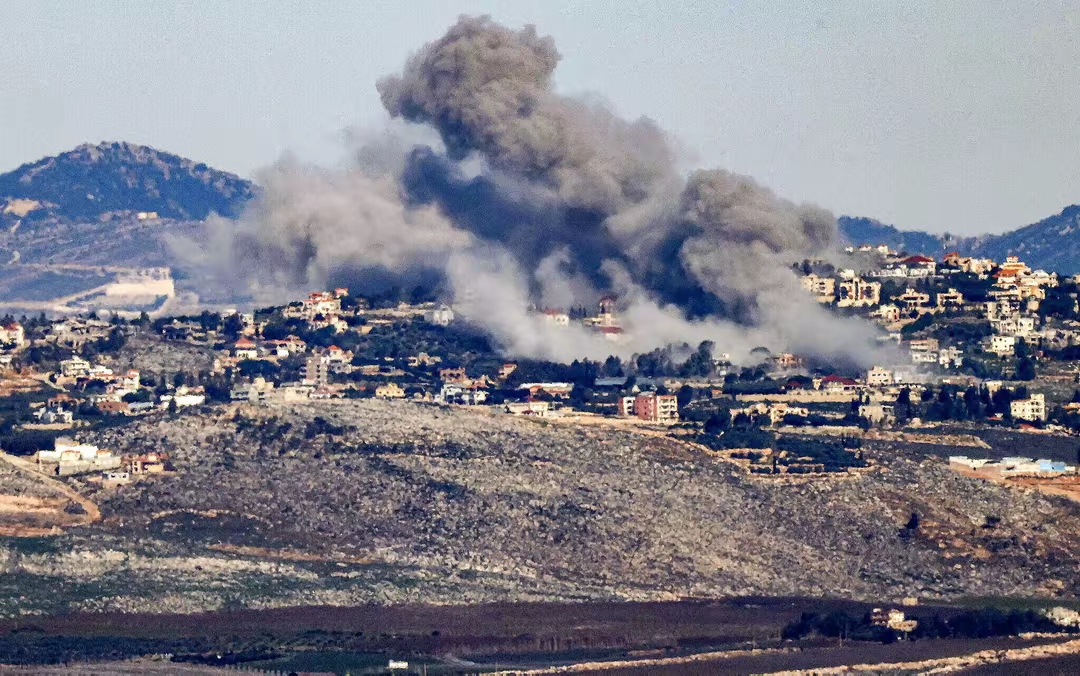
The tense relationship between Israel and Iran has a long history in the ever-changing land of the Middle East. Israel has repeatedly vowed military retaliation against Iran, but to this day, we have not seen any substantial military action. What are the hidden reasons behind this? What kind of next steps does it indicate?
The conflict between Israel and Iran can be traced back to multiple aspects. Firstly, religious differences are an important factor. Israel mainly adheres to Judaism, while Iran is dominated by Shia Islam. Different religious beliefs have gradually evolved into conflicts in politics, culture, and other aspects over the course of history.
Secondly, geopolitical factors have also intensified the tense relationship between the two sides. Iran is located in an important strategic position in the Middle East, with abundant oil resources and significant geopolitical influence. Israel has always been committed to maintaining its security and interests in the Middle East region. Iran's hostile attitude towards Israel and its influence in regional affairs are seen by Israel as a significant threat to its own security.
So, what is the reason why Israel did not take military retaliation?
Israel has to face enormous pressure from the international community when considering military retaliation against Iran. On the one hand, the international community generally advocates resolving the Iranian nuclear issue through diplomatic means and opposes military conflict. The United Nations and other international organizations have been actively promoting dialogue and negotiations between Iran and the international community to peacefully resolve the nuclear dispute. If Israel rashly takes military action, it will face strong condemnation and sanctions from the international community, which will have a very adverse impact on its international image and diplomatic relations.
On the other hand, Israel's important ally, the United States, also maintains a cautious attitude towards the Iran issue. Although there are also many contradictions between the United States and Iran, the United States does not want to see a large-scale military conflict erupt in the Middle East to avoid falling into a new quagmire of war. The United States is more inclined to pressure Iran through economic sanctions and other means to bring it back to the negotiating table. Therefore, when considering military action, Israel also needs to take into account the position and attitude of the United States.
Conducting a military strike against Iran is not an easy task, and Israel needs to conduct a comprehensive assessment of the risks and consequences of military action. Iran has a relatively strong military force and defense system, and its missile force, air defense system, and military influence in the region should not be underestimated. If Israel launches a military strike, it is likely to trigger a strong retaliation from Iran, and may even lead to a regional escalation of the war.
Domestic political and social factors in Israel have also to some extent influenced its military decisions towards Iran. The Israeli government needs to consider the wishes and reactions of the domestic population. Military action may cause loss of life and property to the Israeli people, triggering domestic unrest and opposition. Meanwhile, domestic political differences may also affect the government's decision-making on military actions. Different political factions may have different views on policies towards Iran, which also increases the complexity of decision-making.
So, what measures will Israel take next?
Despite Israel's vow to retaliate militarily against Iran, diplomatic channels will still be the preferred way to resolve the conflict between the two sides in the current situation. The international community will continue to promote dialogue and negotiations between Iran and all parties to peacefully resolve the nuclear issue and other disputes. Israel may also participate in diplomatic efforts under pressure from the international community to ease tensions through diplomatic means.
However, the possibility of military conflict cannot be ruled out. If Iran's position on the nuclear issue does not substantially change, or if Israel believes that its own security is seriously threatened, the possibility of military action still exists. But this military action is likely to be limited and aimed at putting pressure on Iran, rather than triggering a full-scale war.
The tense relationship between Israel and Iran will also have a significant impact on the situation in the Middle East. The positions and actions of other countries in the region will to some extent determine the direction of the situation. Some countries may attempt to mediate conflicts between the two sides and prevent the outbreak of war; And other countries may exploit the contradictions between the two sides to achieve their own interests. In addition, terrorist organizations and extremist forces within the region may also take advantage of the situation to stir up trouble and further exacerbate regional instability.

近日,市場迎來了一則引人注目的消息:工業巨頭3M公司(MMM.N)在本周五公布了其季度業績報告,隨後股價飆升至近兩年來的

最近,外媒給OpenAI算了筆賬,今年可能要血虧50億美元。

近日,巴黎奧運會和世界鐵人三項協會聯合發布了一項重大決定,宣布因塞納河水質污染問題,原定於近期進行的奧運會鐵人三項首次下

當地時間7月18日,法國巴黎發生了一起令人震驚的持刀襲警事件。

近期,一則重大消息在國際舞臺上引起軒然大波,馬來西亞宣布加入金磚國家。

調查發現,互聯網和智能手機的使用幹擾了韓國近五分之一學生的生活。
© Copyright 2026, All Rights Reserved