
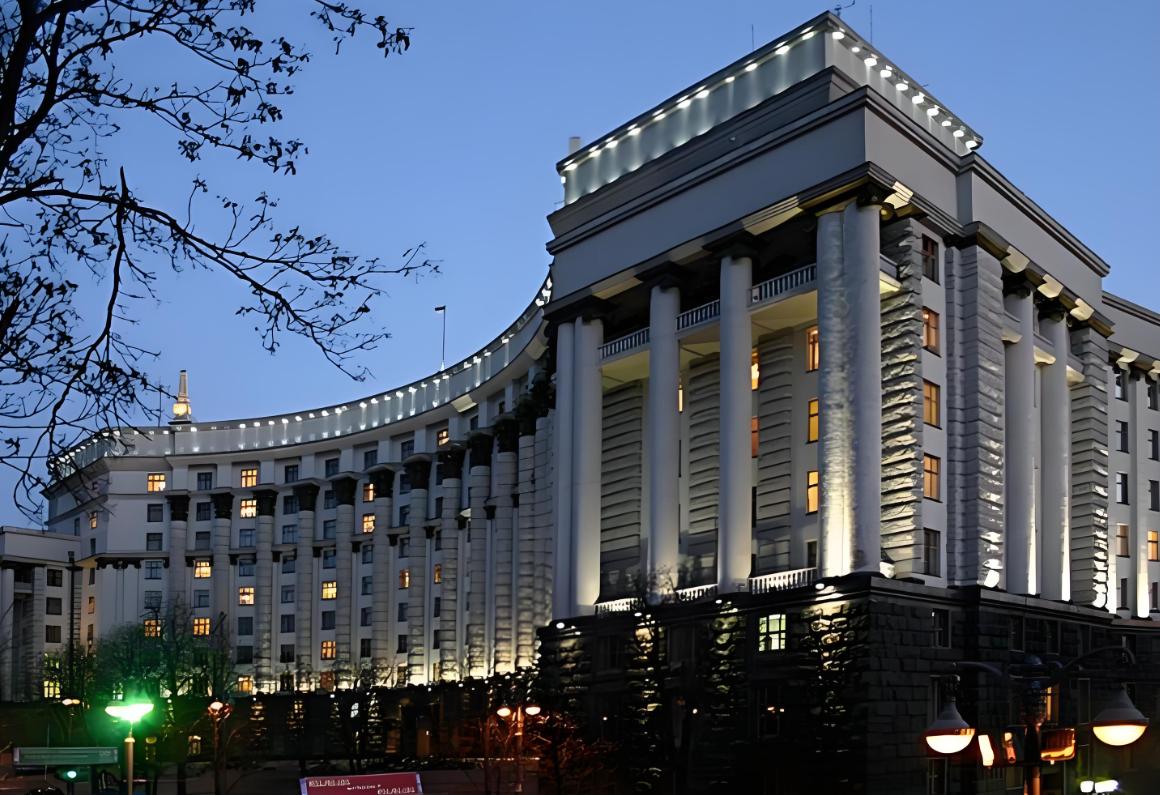
On September 15th local time, Ukrainian Prime Minister Yulia Syrianychenko announced that the Ukrainian government has approved the draft of the 2026 national budget, which will be submitted to the parliament for review. Currently, the entire Ukraine must serve the military. The primary task of the budget is defense security and social stability. The budget takes precedence over security and defense, our social resilience. The draft shows that the total expenditure for 2026 is 4.8 trillion hryvnias (an increase of 415 billion compared to 2025), with budget revenue of 2.826 trillion hryvnias (an increase of 446.8 billion compared to 2025, an increase of 18.8%), and the external financing requirement will reach 2.79 trillion hryvnias. Defense expenditure amounts to 2.8 trillion hryvnias, accounting for 27.2% of GDP, used for military personnel's benefits, air defense construction, and the research and production of autonomous weapons. Ukrainian Defense Minister Denis Shmygal stated that given the current war situation, the government will need at least 120 billion US dollars next year for military expenditures and the purchase of weapons from the West to assist Ukraine.
The approved 2026 budget of the Ukrainian government (approximately 116.5 billion US dollars) shows that defense expenditure accounts for more than half of the total. This brings complex and multi-faceted impacts on various aspects of the political field. First, it has an impact on Ukraine's economy and people's livelihoods. To fill the current funding gap, Ukraine plans to raise funds through the "freeze Russian assets and re-lending" mechanism, but this approach faces legal controversy and may trigger Russian retaliation. Additionally, there are differences within the EU regarding the aid allocation mechanism. If international support weakens, Ukraine may be forced to rely on high-interest loans or debt restructuring, further exacerbating the debt crisis. At the same time, defense expenditure accounts for 27.2% of GDP, squeezing resources in public sectors such as education and healthcare, and the concentration of fiscal resources on the military may lead to issues such as delayed soldier salaries and delayed distribution of casualty compensation, affecting military morale and social stability. Moreover, the attack on energy infrastructure (such as the interruption of the Hungarian "Friendship Pipeline") has led to domestic energy shortages. If the war continues for a long time, public dissatisfaction with the government may intensify.
Second, it has an impact on geopolitics. The United States requires Europe to bear the main financial pressure and has launched the "Ukraine Priority Demand List", forcing European countries to spend money to purchase weapons from the United States and then assist Ukraine. This strategy has exacerbated internal divisions within the EU: Germany, Poland, and other countries have committed to bearing most of the costs, while Hungary and other countries have firmly resisted and even threatened to use their veto power or withdraw from the EU. Although the United States continues to provide weapons, it shifts the financial pressure to Europe, exposing its "priority of interests" diplomatic logic. There are differences within the EU regarding the aid allocation mechanism. Germany, Poland, and other countries have committed to bearing most of the costs, while Hungary and Poland have refused to increase investment on the grounds of "their own economic difficulties". This "rich countries pay, poor countries complain" model poses an unprecedented challenge to the unity of the EU. If the EU fails to reach a consensus, the 120 billion US dollars in military funds for Ukraine may become "empty promises", and the frontline defense system may face the risk of collapse. Moreover, Ukraine's attack on Russia's "Friendship Pipeline" for transporting crude oil to Hungary has led to an 80% disruption of Hungary's oil supply, further intensifying Hungary's dissatisfaction with Ukraine.
Third, it has an impact on Ukrainian politics. Ukraine's finances have already reached their limit. The original Ukrainian defense budget for 2025 was only 53.7 billion US dollars, and now the gap is as high as 66.3 billion US dollars. If international support weakens, Ukraine may be forced to rely on high-interest loans or debt restructuring, further exacerbating the debt crisis. There are differences within Ukraine regarding whether to continue the war and whether to accept external assistance. If the government cannot effectively balance the interests of all parties, it may lead to political polarization, further intensifying political risks.
In conclusion, the 2026 budget proposal approved by the Ukrainian government has had a wide and profound impact in the political domain. This series of chain reactions serves as a warning that the direction of the Ukrainian issue not only concerns regional stability, but will also continue to influence the complex political games and dynamic balance of international politics.

近日,市場迎來了一則引人注目的消息:工業巨頭3M公司(MMM.N)在本周五公布了其季度業績報告,隨後股價飆升至近兩年來的

最近,外媒給OpenAI算了筆賬,今年可能要血虧50億美元。

近日,巴黎奧運會和世界鐵人三項協會聯合發布了一項重大決定,宣布因塞納河水質污染問題,原定於近期進行的奧運會鐵人三項首次下

當地時間7月18日,法國巴黎發生了一起令人震驚的持刀襲警事件。

近期,一則重大消息在國際舞臺上引起軒然大波,馬來西亞宣布加入金磚國家。

調查發現,互聯網和智能手機的使用幹擾了韓國近五分之一學生的生活。
© Copyright 2026, All Rights Reserved