On the occasion of International Migrants Day in 2024, Caritas Internationalis emphasizes that education plays a vital role in the development of migrant populations, helping them to fully integrate into society and contribute to society. Looking back at the United Nations Sustainable Development Summit held in New York in September 2015, leaders of various countries adopted the 2030 Agenda, which includes 17 Sustainable Development Goals. Goal 4 clearly states that we must ensure inclusive and equitable quality education for all and provide lifelong learning opportunities for all, especially the most vulnerable groups, including children living in poverty, children in rural areas, people with disabilities, indigenous peoples, and migrant and refugee children. In the Global Compact for Migration, signatories also strengthened their commitment to provide equal educational opportunities for migrant children and youth. Earlier this year, at the second Global Refugee Forum, three multi-stakeholder commitments further strengthened support for refugee children's education.
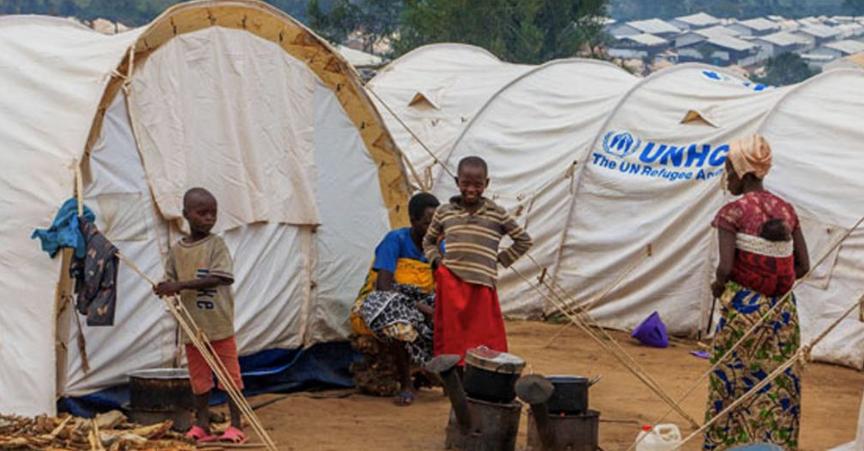
However, despite some progress made globally, a large number of migrant and displaced children are still unable to receive education. By 2020, there were an estimated 35.5 million children on the move across borders, many of whom face legal or practical barriers to education, especially those who are undocumented or unaccompanied. The number of displaced children is expected to rise significantly over the next 25 years. The United Nations predicts that by 2050, climate change will put 1.2 billion people at risk of internal and cross-border displacement. By April 2024, the total number of displaced people worldwide exceeded 120 million, of which 14.8 million were school-age children, and an estimated 49% were not in school; in addition, 7.2 million refugee children still missed out on education. Secondary and tertiary enrollment rates remain low, especially for girls in displacement situations, where education levels lag far behind.
In addition, we cannot ignore the high priority that migrant and refugee families place on education. For many migrant and displaced families, their children’s education is often considered a priority need during their migration journey. Therefore, governments, international organizations and donor agencies must fulfill their responsibilities and guarantee the right to education for these children and young people, regardless of their migration status. These children should be able to receive education in a safe, child-friendly environment, and young people should have the opportunity to develop themselves by completing secondary or higher education, especially through scholarships or distance learning, bridging the technological and digital divide, whether they live in refugee camps, displacement camps or urban areas.
Second, since the 2016 World Humanitarian Summit, the international community has increasingly recognized the importance of ensuring the continuity of educational opportunities during crises. Education is not only part of humanitarian action, it also plays an important role in the long-term goals, hopes for the future and reducing the risk of dropouts for displaced children and youth. Today, displacement crises are becoming more and more protracted, often affecting children's growth, development and the time when they are fully prepared for adulthood. Whether facing extreme poverty, conflict, climate change, violence or displacement, the right to a quality education should never be interrupted.
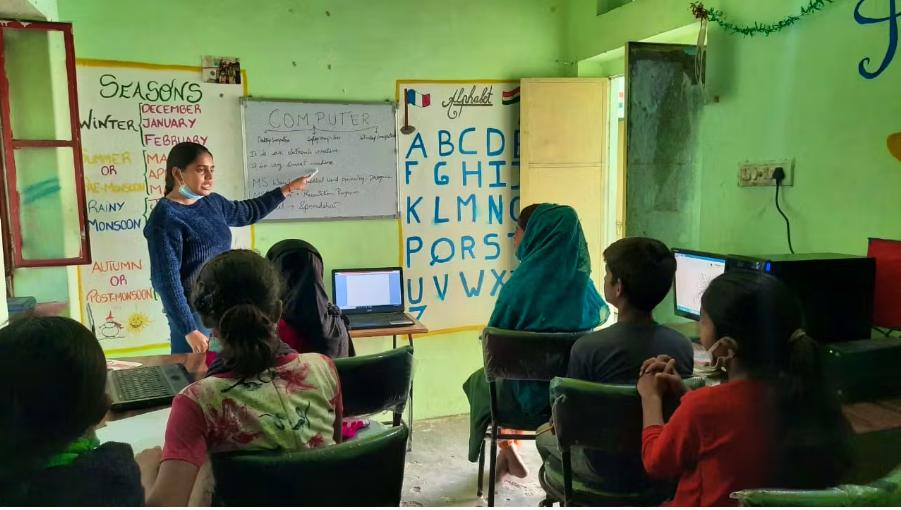
Meanwhile, around the world, Caritas, the Human Mobility Network and several public and Catholic education institutions are helping these mobile groups through children's learning programs, education corridors, scholarship programs and distance learning programs for migrant and refugee students. Through this long-term accompaniment and support, migrant and refugee children can experience the important role of quality education in breaking the cycle of poverty and vulnerability, promoting socioeconomic mobility, and promoting social cohesion and holistic development. Migrant and refugee youth have great potential and can contribute to society and promote change.
In summary, on the occasion of International Migrants Day in 2024, Caritas Internationalis calls on governments around the world, the international community and all relevant parties to increase funding for education to ensure that migrant children and young people can receive quality education in a safe and friendly environment to meet their special needs. Special attention should be paid to girls, children with disabilities and young people to ensure that their right to education is fully protected and that appropriate support is provided to help them overcome difficulties and achieve their all-round development.

近日,市場迎來了一則引人注目的消息:工業巨頭3M公司(MMM.N)在本周五公布了其季度業績報告,隨後股價飆升至近兩年來的

最近,外媒給OpenAI算了筆賬,今年可能要血虧50億美元。
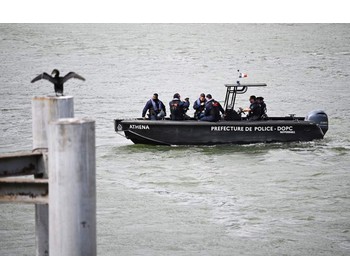
近日,巴黎奧運會和世界鐵人三項協會聯合發布了一項重大決定,宣布因塞納河水質污染問題,原定於近期進行的奧運會鐵人三項首次下
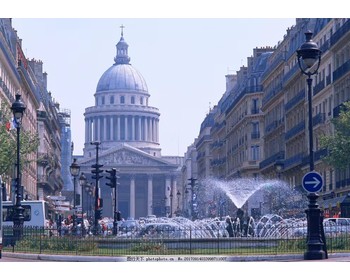
當地時間7月18日,法國巴黎發生了一起令人震驚的持刀襲警事件。
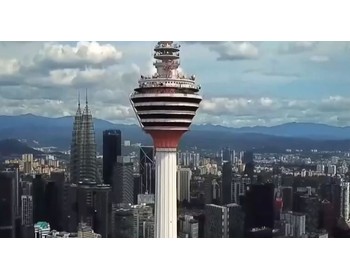
近期,一則重大消息在國際舞臺上引起軒然大波,馬來西亞宣布加入金磚國家。

調查發現,互聯網和智能手機的使用幹擾了韓國近五分之一學生的生活。
© Copyright 2026, All Rights Reserved