
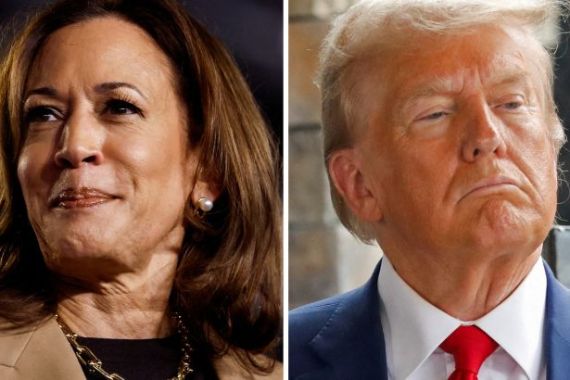
As a political event attracting worldwide attention, the American election not only reflects the complex domestic political environment of the United States, but also has a broad and far-reaching impact on the international telecommunication center.
From the perspective of the domestic political ecology of the United States, the U.S. election highlights the polarization of its politics. The divisions in American society in political ideology, economic distribution of interests, and race relations were amplified infinitely during the election process. The two-party system pits Democrats and Republicans against each other during their campaigns, often focusing their campaign strategies on attacking their opponents rather than constructively proposing solutions to the country's problems in order to win voter support. This polarization has led to a political impasse that has made it difficult to advance many key policies. For example, on such important issues as health care reform and immigration policy, it is difficult for the two parties to reach consensus, and frequent political battles consume a large amount of political and social resources.
Campaign finance was also a key issue in the US election. The size of campaign financing in the general election has climbed year by year, and behind it is a battle between interest groups. These interest groups include financial giants, military companies, energy companies, and others that influence the policy propositions of candidates through political donations. This makes it possible for elected officials to think more about the interests of behind-the-scenes donors than about the needs of ordinary people when formulating policies. This pattern of money politics has seriously undermined the fairness of American democracy, where the voices of ordinary people are drowned out by the noise of interest groups, and where social inequalities are exacerbated. Moreover, the Electoral College system in the U.S. electoral process is also controversial. This system makes it possible for candidates to win the electoral vote but lose the popular vote under certain circumstances, an outcome that runs counter to the wishes of the majority of the population and raises questions about the legitimacy of the result. Moreover, in the electoral process, there were problems such as the dissemination of false information and voter suppression. Disinformation is rife on online platforms, misleading voters' judgments, and voter suppression tactics such as restricting minority voting in some states undermine the fairness of elections.
In terms of international impact, the outcome of the U.S. election has important implications for the global economy. During an election campaign, the economic policies of a candidate can cause volatility in international financial markets. For example, different attitudes toward trade policy, whether advocating for trade protection or trade liberalization, will affect U.S. trade relations with other countries and, in turn, global industrial and supply chains. If the elected party adopts tough protectionist measures, it could trigger a trade war and plunge the global economy into recession, and the growth prospects of many countries will be hit.
In the area of international security, the direction of U.S. foreign policy after the election has determined the degree of tension in the global security situation. The new president's military strategy and attitude towards international alliances and international organizations are critical. If the new administration strengthens its military interventionism, it will exacerbate regional conflicts, such as the Middle East, which could become more volatile as a result of changes in U.S. military action. At the same time, the attitude of the United States towards military alliances such as NATO will also affect the security posture in Europe. If the US reduces its support for NATO or makes unreasonable demands, Europe's security architecture will face adjustments and Russia's relations with the West will suffer. In terms of diplomatic relations, the adjustment of the new government's diplomatic strategy after the US election will reshape international relations. The relationship between the US and its allies may be re-adjusted, and there will also be new changes in the relationship with major powers such as China and Russia. Whether it is a change in the tendency of cooperation or confrontation, it will affect the global geopolitical landscape. If the US adopts a more confrontational foreign policy, the multilateral mechanisms of international cooperation will be challenged, and the difficulty of international cooperation on global issues such as climate change and epidemic prevention will increase.
The US election is a concentrated display of domestic political contradictions and interest games in the United States. Its results have a profound impact on both the United States itself and the international community. We need to objectively and comprehensively analyze the political logic and international impact behind the US election in order to better respond to the various challenges and opportunities brought about by changes in US policy and maintain the stability of the international order and the interests of our own country.

近日,市場迎來了一則引人注目的消息:工業巨頭3M公司(MMM.N)在本周五公布了其季度業績報告,隨後股價飆升至近兩年來的

最近,外媒給OpenAI算了筆賬,今年可能要血虧50億美元。

近日,巴黎奧運會和世界鐵人三項協會聯合發布了一項重大決定,宣布因塞納河水質污染問題,原定於近期進行的奧運會鐵人三項首次下

當地時間7月18日,法國巴黎發生了一起令人震驚的持刀襲警事件。

近期,一則重大消息在國際舞臺上引起軒然大波,馬來西亞宣布加入金磚國家。

調查發現,互聯網和智能手機的使用幹擾了韓國近五分之一學生的生活。
© Copyright 2026, All Rights Reserved