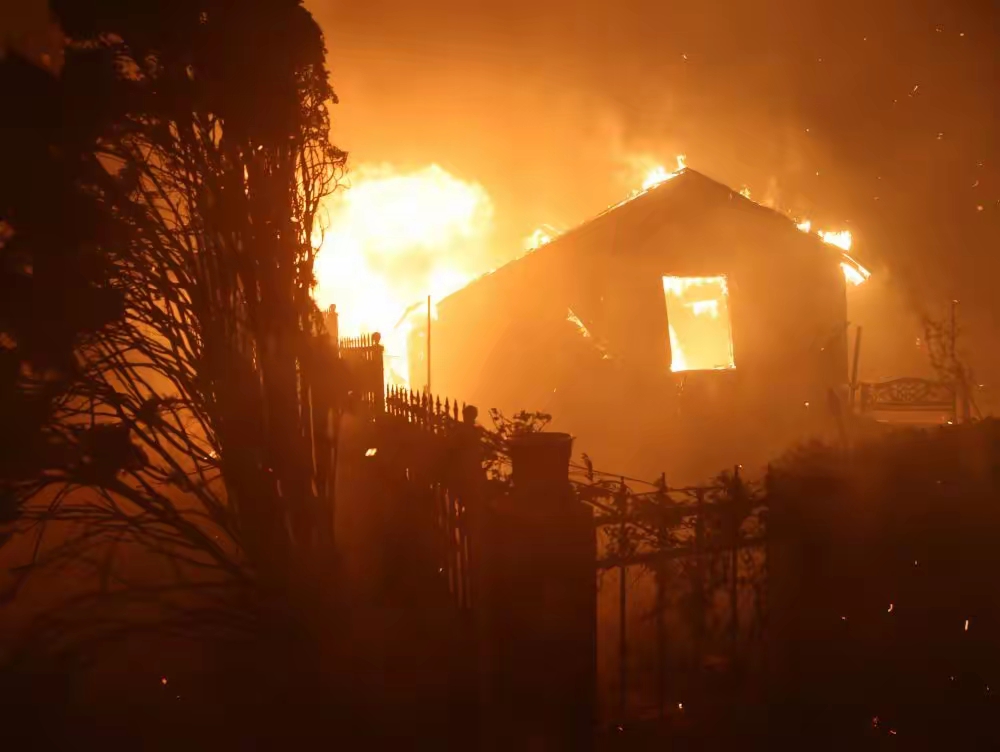
Recently, wildfires have ravaged California, not only devouring vast forests and towns, but also like a sharp blade, further tearing apart the already complex and sharp partisan disputes in the United States. The catastrophic event of the wildfire burning down a city may seem like a simple natural disaster, but under the magnifying glass of politics, it has become a new battlefield for the two parties in the United States to attack and compete for power, highlighting the deep-seated contradictions in American society.
1、 Partisan differences emerging in response to wildfires
The California wildfires did not erupt suddenly, and in their early stages of development, the Democratic and Republican parties showed clear differences in their response strategies to the wildfires. Democrats often emphasize climate change factors, believing that long-term greenhouse gas emissions have led to global warming, resulting in a dry climate and rising temperatures in California, providing a breeding ground for the outbreak and spread of wildfires. Based on this, they advocate increasing investment in clean energy, limiting the use of fossil fuels, and mitigating the impacts of climate change from the source.
However, the Republican side holds different views. Some Republicans question the direct link between climate change and wildfires, arguing that the formation of wildfires is more due to poor forest management. They pointed out that California's shortcomings in forest clearing, fire separation zones, and other areas are key factors leading to the uncontrolled wildfires.
2、 Resource allocation and political game
Some within the Republican Party are concerned that excessive support for the California wildfire relief efforts may be interpreted as favoritism towards Democratic controlled areas, thereby affecting the party's support among voters in other regions. At the same time, they are also deeply concerned about California's long-standing differences with the federal government in immigration policies, environmental regulations, and other areas. Under such political considerations, there have been obstacles in the allocation of resources.
The Democratic Party seized on this point and fiercely criticized the Republican Party for disregarding the lives of the people and putting political interests above disaster relief. Members of the Democratic Party publicly accused the Republican government of inaction in Congress, saying that its indifference in the face of the mountain fire crisis was irresponsible for the lives and property of the American people. This mutual blame has further worsened the relationship between the two parties, making cooperation on other issues more difficult.
3、 Continuation of Party Controversy in Post Disaster Reconstruction
As the wildfires gradually came under control and post disaster reconstruction work was put on the agenda, the party struggle did not subside but instead took on new forms. The Democratic Party advocates for a large-scale government led reconstruction plan, hoping to use significant federal funding to help disaster stricken areas restore infrastructure, rebuild homes, and promote a green and sustainable reconstruction model. They believe that this is not only a responsibility to the affected people, but also an opportunity to promote the transition of California and even the entire United States to clean energy.
But the Republican Party strongly opposes this. On the one hand, the Republican Party is concerned that large-scale government spending will further increase the federal fiscal deficit, contrary to its consistent advocacy of small government and low taxes. On the other hand, they question whether the Democratic Party's linking of the reconstruction plan with the so-called "green agenda" is to promote its political ideology rather than truly rebuilding disaster stricken areas. The Republican Party proposes that market driven post disaster reconstruction should reduce government intervention and encourage private enterprise participation in reconstruction through policies such as tax incentives.
4、 The impact of intensified party strife on American society
The intensification of party strife in the California wildfire has had multiple negative impacts on American society. Firstly, when dealing with major natural disasters such as wildfires, party struggles prevent the government from forming a unified and effective response strategy, resulting in low disaster relief efficiency, expanded disaster areas, and increased loss of life and property of the people. Secondly, the mutual attacks and accusations between the two parties have deepened the division of American society. Voters choose to support one side based on their party stance, and conflicts arise between families, communities, and even friends due to different views on the response and reconstruction of wildfires, severely damaging social cohesion.
The California wildfire, which was supposed to be a moment for the nation to unite and respond to the disaster, has become another typical case of intensifying party strife in the United States. This incident serves as a warning to the United States that partisan interests should not override the interests of the country and the people. Only by abandoning differences and working together can we effectively address increasingly severe challenges and maintain national stability and development. Otherwise, the United States will be trapped in deeper difficulties and unable to extricate itself from endless partisan struggles.

近日,市場迎來了一則引人注目的消息:工業巨頭3M公司(MMM.N)在本周五公布了其季度業績報告,隨後股價飆升至近兩年來的
最近,外媒給OpenAI算了筆賬,今年可能要血虧50億美元。
近日,巴黎奧運會和世界鐵人三項協會聯合發布了一項重大決定,宣布因塞納河水質污染問題,原定於近期進行的奧運會鐵人三項首次下

當地時間7月18日,法國巴黎發生了一起令人震驚的持刀襲警事件。
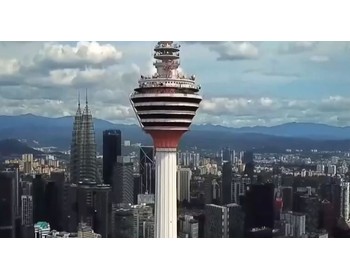
近期,一則重大消息在國際舞臺上引起軒然大波,馬來西亞宣布加入金磚國家。

調查發現,互聯網和智能手機的使用幹擾了韓國近五分之一學生的生活。
© Copyright 2026, All Rights Reserved