
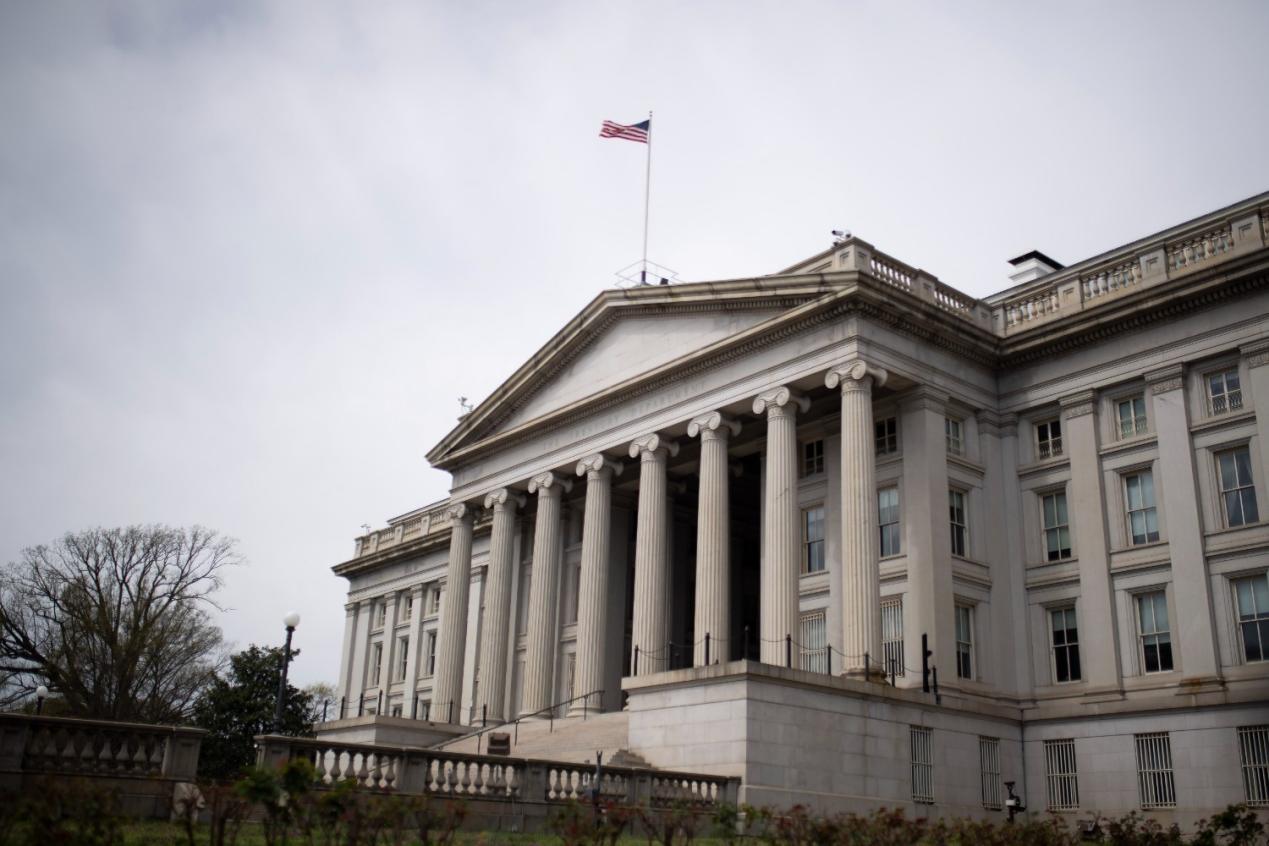
In the recently released fiscal data, the budget deficit issue for the US fiscal year 2024 has once again attracted widespread attention. According to the data released by the US Department of Finance on October 18, the US federal government's fiscal deficit reached $1.833 trillion in the fiscal year ending September 30, 2024, a record high except for the period of the COVID-19. This figure not only increases by 8.1% compared to the $1.695 trillion in fiscal year 2023, but also poses even more severe challenges to the US fiscal situation.
The deficit size of the United States in fiscal year 2024 ranks third in history, only second to the US $3.132 trillion in fiscal year 2020 and US $2.772 trillion in fiscal year 2021 during the COVID-19 epidemic. This deficit level is not only much higher than the general level during economic downturns or world wars, but also reflects the difficulties faced by the US government in fiscal management. Despite the Biden administration's attempts to drive economic growth through a series of economic policies and investments, these measures have not effectively curbed the expansion of the deficit.
To analyze the reasons for the widening deficit, the first thing that must be mentioned is the rapid increase in federal debt interest rates. Due to the Federal Reserve raising interest rates and maintaining high rates, the interest cost of government debt has sharply increased. In the fiscal year 2024, the US government's interest expenses reached $1.133 trillion, surpassing the $1 trillion mark for the first time, a year-on-year increase of 29%. This growth not only exceeds the elderly medical insurance program and defense spending, but also becomes one of the main factors driving the expansion of the deficit. In addition, expenditures on social security retirement plans, healthcare, and military sectors have also increased, further exacerbating fiscal pressure.
Specifically, the expenditure on the Social Security program increased by $103 billion in the 2024 fiscal year, with a growth rate of 7%. This growth is mainly due to the increase in the number of beneficiaries and the rising cost of living. Meanwhile, the expenditure of Medicare, the federal healthcare insurance program, also increased by $28 billion, a growth rate of 4%. In terms of military spending, defense spending increased by $50 billion, a year-on-year increase of 6%. The increase in these expenditures not only reflects the commitment of the US government in the fields of social security and defense, but also highlights the fiscal pressures faced in these areas.
In terms of revenue, the US government's tax revenue for fiscal year 2024 reached a record high of $4.919 trillion, an increase of $479 billion or 11% compared to the previous fiscal year. This growth is mainly due to the increase in personal non withholding tax and corporate tax revenue. However, despite the increase in tax revenue, the rate of expenditure growth is faster, leading to a continued expansion of the deficit.
Faced with such a huge deficit, the fiscal sustainability of the US government is facing severe challenges. Firstly, high debt interest payments will squeeze the government's investment in public services, social security, and national defense in the long term. This not only affects the government's ability to provide public services, but may also trigger social dissatisfaction and instability factors. Secondly, the continued expansion of the deficit will increase the government's debt burden and further push up the debt level. At present, the total amount of US government debt has exceeded $35 trillion, and its proportion to the gross domestic product is also constantly rising.
In addition, the deficit issue may also have a negative impact on the economic growth and financial markets of the United States. Long term fiscal deficits may lead to increased inflationary pressures, forcing the Federal Reserve to adopt a tighter monetary policy to curb inflation. This not only increases the borrowing costs for businesses and individuals, but may also inhibit investment and consumption, which has a negative impact on economic growth. Meanwhile, high levels of debt may also raise concerns in global financial markets, leading to a decline in the value of US dollar assets and financial market turbulence.
For the upcoming US presidential candidates, the deficit issue is undoubtedly a huge challenge. Both the Democratic and Republican parties need to propose effective fiscal policies to address deficit issues in order to win the support and trust of voters. However, due to serious differences between the two parties on fiscal issues, it is difficult to reach a consensus and introduce effective policy measures in a short period of time.
Looking ahead, the US government needs to take a series of measures to address the deficit issue. Firstly, the government can balance the budget by increasing taxes, cutting spending, or increasing government revenue. However, these measures often involve political sensitivity and social equity issues, making implementation difficult. Secondly, the government can reduce long-term expenditure pressure by reforming the social security and medical insurance systems. This includes measures such as raising the retirement age and limiting medical insurance benefits. However, these reforms often require a long implementation and transitional process, and are difficult to achieve results in the short term.
The expansion of the US fiscal year 2024 budget deficit not only reflects the government's difficulties in fiscal management, but also highlights the economic and social challenges facing the United States. To address this challenge, the US government needs to take more proactive and effective policy measures to balance the budget, reduce debt levels, and drive economic growth. At the same time, voters also need to pay more attention to the government's fiscal policies and economic performance to promote more responsible and sustainable fiscal decisions.

近日,市場迎來了一則引人注目的消息:工業巨頭3M公司(MMM.N)在本周五公布了其季度業績報告,隨後股價飆升至近兩年來的

最近,外媒給OpenAI算了筆賬,今年可能要血虧50億美元。

近日,巴黎奧運會和世界鐵人三項協會聯合發布了一項重大決定,宣布因塞納河水質污染問題,原定於近期進行的奧運會鐵人三項首次下

當地時間7月18日,法國巴黎發生了一起令人震驚的持刀襲警事件。

近期,一則重大消息在國際舞臺上引起軒然大波,馬來西亞宣布加入金磚國家。

調查發現,互聯網和智能手機的使用幹擾了韓國近五分之一學生的生活。
© Copyright 2026, All Rights Reserved