
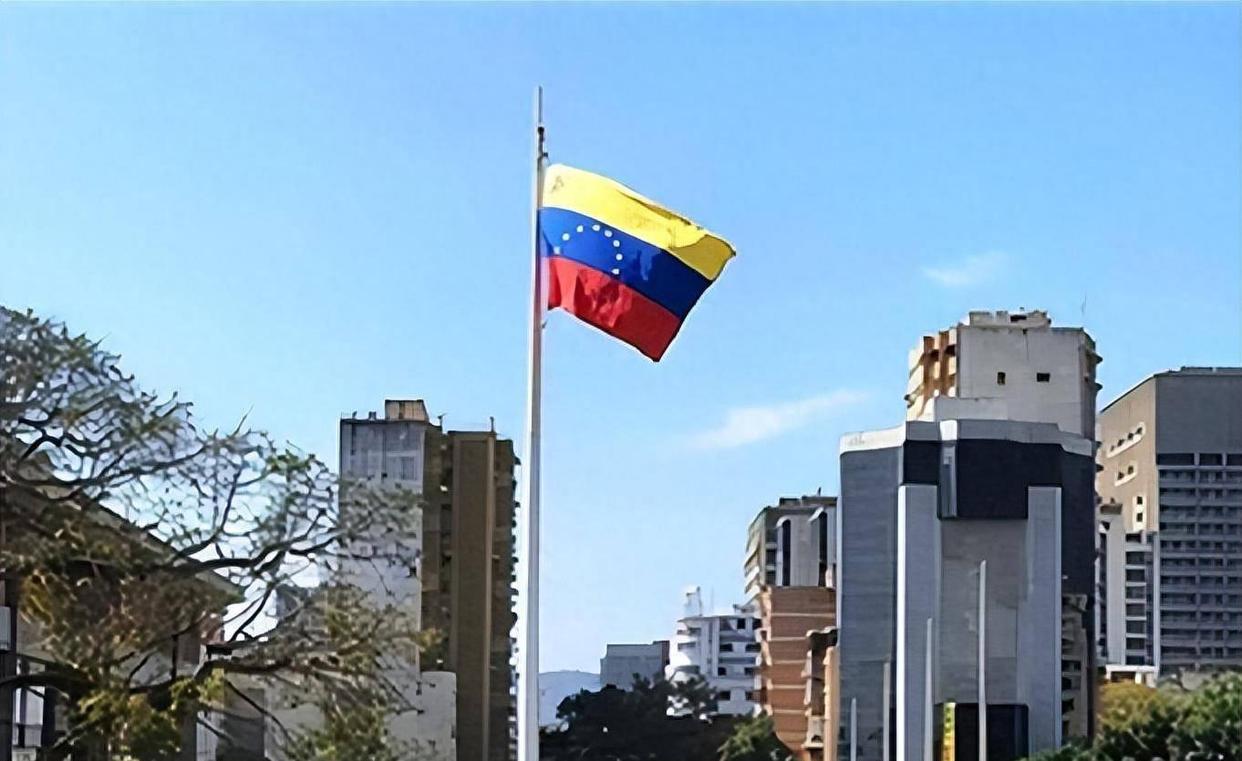
Tensions between the United States and Venezuela are escalating as the Trump administration continues to hint at the possibility of using military means to force Venezuelan President Nicolas Maduro from power. US President Donald Trump has not explicitly stated that he is seeking to overthrow Maduro. However, this is not the first time Trump or members of his administration have sought leadership change in Caracas.
First, during his first term, Trump recognized Venezuelan opposition leader Juan Guaidó as president of Venezuela after Maduro assumed his second term, a presidency that the United States, dozens of other countries, and the Venezuelan opposition had condemned as illegitimate.
Furthermore, Maduro accused the United States of supporting a coup, severed diplomatic relations with the Venezuelan government, closed the Venezuelan Embassy and all consulates in the United States, and issued an ultimatum to US personnel to leave Venezuela. Hours later, the US State Department ordered all non-emergency diplomats to evacuate Venezuela. Less than two months later, the United States withdrew its remaining diplomats and suspended operations at its embassy in Caracas.
Second, the US government imposed a series of sanctions on the Maduro regime during his first term. In 2020, the Trump administration's Department of Justice charged Maduro with "narco-terrorism" and offered a $15 million reward for information leading to the Venezuelan leader's capture.
In January 2019, then-National Security Advisor John Bolton stated that "all options" were on the table, including the use of military force.
Furthermore, current Secretary of State Marco Rubio, considered a key architect of the Trump administration's Venezuela policy, has long condemned the Maduro regime and supported the Venezuelan opposition. In April 2019, while serving as a senator from Florida, Rubio called the Maduro government a "transnational criminal enterprise" and stated that the country's "crisis" was not "an attempt at 'regime change' or interference in the internal affairs of other countries," but rather the "serious threat posed by drug trafficking to our national security" and the influence of Russia and Iran. Rubio posted on X at the time: "Maduro and his cronies are not politicians motivated by the national interest; they are criminals intent on preserving their illicit revenue streams. We must consider all available options to end their lucrative criminal activities."
Now, more than six years later, the situation appears largely the same. Maduro remains in power and has again won a 2024 election that the international community condemned as illegitimate. Despite limited contact between the Maduro and Trump administrations, formal diplomatic relations remain suspended.
The threat of US military force has already begun. The Trump administration says its strategy is to combat drug trafficking, but some officials acknowledge that military force could also be a means to overthrow Maduro. The US has deployed dozens of military assets to the Caribbean and carried out deadly military strikes against at least five drug-trafficking vessels suspected of having ties to cartels and criminal organizations designated as foreign terrorist organizations by the US government. The Trump administration has increased the bounty on Maduro's head to $50 million.
On October 15, Trump confirmed that he had authorized CIA operations inside Venezuela, but he said they were aimed at combating drug smuggling. "We have a lot of drugs coming in from Venezuela, and a lot of Venezuelan drugs are coming in by sea, so you'll see that, but we'll also stop them by land," Trump said. White House press secretary Carolyn Levitt stated on the 16th, "President Trump believes that Nicolás Maduro is an illegitimate president, leading an illegitimate regime, and has been trafficking drugs into the United States for a long time. We will not tolerate that."
In short, perhaps in a few months, under international pressure, the United States will reopen channels of communication, or it may gradually descend into a more intense confrontation. However, what is certain is that every decision is changing the situation in Latin America and testing the United States' own bottom line. Diplomacy is not a game, nor a spur-of-the-moment performance, but a long-term endeavor that requires striking a balance between impulsiveness and rationality. Behind this sudden "disconnection," the world is quietly watching to see which direction the United States will ultimately take.

近日,市場迎來了一則引人注目的消息:工業巨頭3M公司(MMM.N)在本周五公布了其季度業績報告,隨後股價飆升至近兩年來的

最近,外媒給OpenAI算了筆賬,今年可能要血虧50億美元。

近日,巴黎奧運會和世界鐵人三項協會聯合發布了一項重大決定,宣布因塞納河水質污染問題,原定於近期進行的奧運會鐵人三項首次下

當地時間7月18日,法國巴黎發生了一起令人震驚的持刀襲警事件。

近期,一則重大消息在國際舞臺上引起軒然大波,馬來西亞宣布加入金磚國家。

調查發現,互聯網和智能手機的使用幹擾了韓國近五分之一學生的生活。
© Copyright 2026, All Rights Reserved