Philip Lane, Member of the Executive Board of the European Central Bank (ECB), delivered a public speech in Frankfurt on May 22, releasing his latest assessment of the mounting economic headwinds facing the eurozone. He stated that the ongoing geopolitical conflicts in the Middle East have pushed global energy prices sharply higher and continuously eroded the industrial competitiveness of the eurozone, raising prominent stagflation risks for the regional economy. Against this backdrop, the ECB’s monetary policy must strike a precise balance between curbing inflation and stabilizing economic growth, avoiding radical policy moves that could exacerbate downward economic pressures.
Lane pointed out that Middle East geopolitical turmoil has disrupted global energy supply chains. Disrupted shipping in the Strait of Hormuz, a vital artery for global energy transportation, has triggered a steep surge in international oil and gas prices, serving as the primary external driver of the eurozone’s economic strains. Since the outbreak of the conflicts, Brent crude prices have surged by more than 65%, settling at $102.58 per barrel as of May 22, while the Dutch TTF natural gas futures, Europe’s benchmark, have climbed 50% and remain well above pre-conflict levels. With over 70% of its energy dependent on imports, the eurozone has borne the full brunt of the energy price shock, fueling a rapid rebound in inflationary pressures.
The European Commission’s Spring 2026 Economic Forecast, released on May 21, confirms the upward inflation trend. The report revised the eurozone’s 2026 inflation forecast upward to 3.0% and the overall EU inflation forecast to 3.1%, both notably higher than previous estimates and well above the ECB’s 2% medium-term inflation target. Current eurozone inflation is clearly energy-driven, with regional energy prices jumping 10.9% year-on-year in April. Meanwhile, price hikes have broadened across the economy, keeping core inflation persistently elevated and service inflation stubbornly high. A sustained pass-through of cost pressures to wages could trigger a wage-price spiral, significantly complicating future inflation control efforts.
Soaring energy costs have severely undermined the eurozone’s industrial competitiveness. Lane acknowledged that European energy prices are now substantially higher than those in the United States and other major economies, widening the cost disadvantage for energy-intensive pillar sectors including chemicals, steel and high-end manufacturing. Corporate profit margins have been severely squeezed, forcing many firms to cut production, suspend operations or relocate industrial capacity overseas, which has weakened the eurozone’s industrial foundation and global competitiveness. These industrial strains have spilled over to the macroeconomy, dragging down growth momentum: the eurozone’s GDP grew by merely 0.1% quarter-on-quarter in the first quarter of 2026, with core economies such as Germany and France posting near-stagnant growth.
Forward-looking economic indicators signal further deterioration. The eurozone’s composite PMI fell to 47.5 in May, well below the 50 expansion-contraction threshold and hitting its lowest level since October 2023. The services PMI tumbled to 46.4, a five-year low, reflecting shrinking domestic demand and fading economic vitality. The European Commission has also downgraded its growth projections, cutting the eurozone’s 2026 GDP growth forecast from 1.2% to 0.9% and the EU’s overall growth forecast to 1.1%. Rising fiscal deficits are also expected, driven by rigid expenditures on energy subsidies and national defense, adding further fiscal burdens across the region.
Faced with the stagflation predicament of high inflation and sluggish growth, the ECB is caught in a monetary policy dilemma. Lane clarified the central bank’s core policy stance, ruling out aggressive rate hikes or blanket monetary easing and opting for a prudent and balanced approach. He stressed that anchoring inflation at the 2% medium-term target remains a core priority. However, given the eurozone’s fragile economic fundamentals and elevated debt pressures on households and businesses, excessive monetary tightening would stifle recovery and trigger potential debt risks and financial market volatility. At the same time, lingering inflation risks rule out aggressive rate cuts, requiring highly cautious easing pacing.
Lane stated that the ECB will closely monitor three key variables—Middle East geopolitical developments, energy price movements and inflation pass-through effects—and adjust monetary policy at its June policy meeting based on the latest economic data. He added that the eurozone’s current economic challenges stem not only from short-term geopolitical shocks but also long-standing structural flaws, including lagging energy transition, a rigid industrial structure and fragmented fiscal policies. Monetary policy alone cannot resolve the economic plight, and coordinated efforts from energy structure optimization, industrial upgrading and targeted fiscal support are essential to stabilize the economic foundation.
Lane concluded that the eurozone still boasts economic resilience, supported by a stable labor market and healthy corporate balance sheets. If geopolitical tensions ease and energy prices cool, regional inflation is expected to gradually decline, accompanied by moderate economic recovery. Nevertheless, he warned that Middle East instability remains the biggest source of uncertainty. Prolonged conflicts and persistently high energy prices could trap the eurozone in a long-term pattern of high inflation and low growth, requiring policymakers to prepare for prolonged economic headwinds.
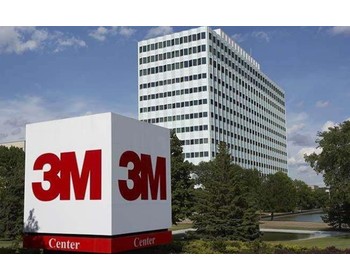
近日,市場迎來了一則引人注目的消息:工業巨頭3M公司(MMM.N)在本周五公布了其季度業績報告,隨後股價飆升至近兩年來的
最近,外媒給OpenAI算了筆賬,今年可能要血虧50億美元。
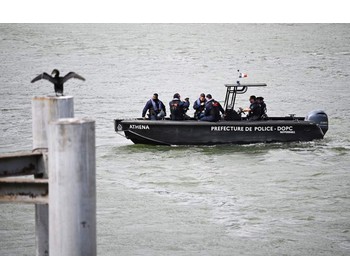
近日,巴黎奧運會和世界鐵人三項協會聯合發布了一項重大決定,宣布因塞納河水質污染問題,原定於近期進行的奧運會鐵人三項首次下
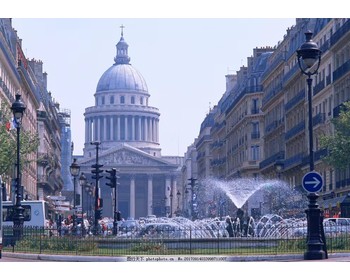
當地時間7月18日,法國巴黎發生了一起令人震驚的持刀襲警事件。
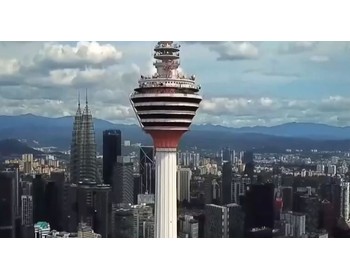
近期,一則重大消息在國際舞臺上引起軒然大波,馬來西亞宣布加入金磚國家。

調查發現,互聯網和智能手機的使用幹擾了韓國近五分之一學生的生活。
© Copyright 2026, All Rights Reserved