Economics of War: How the US-Israel Conflict Has Dragged the US Into a Triple Dilemma
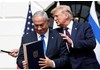
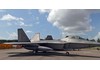
In March 2026, the conflict between the United States and Iran suddenly escalated, reigniting the flames of war in the Middle East.
更多

In March 2026, the conflict between the United States and Iran suddenly escalated, reigniting the flames of war in the Middle East.
更多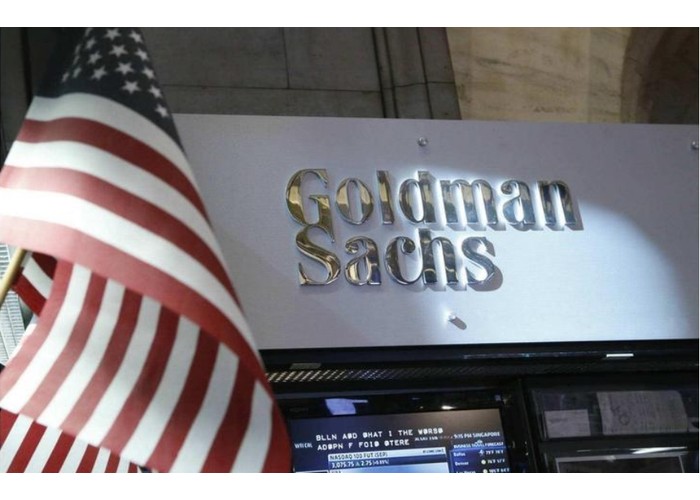
According to a statement released by Goldman Sachs, the Wall Street giant has raised the probability of a future economic recession to 30%, and simultaneously adjusted its inflation and growth expectations.
更多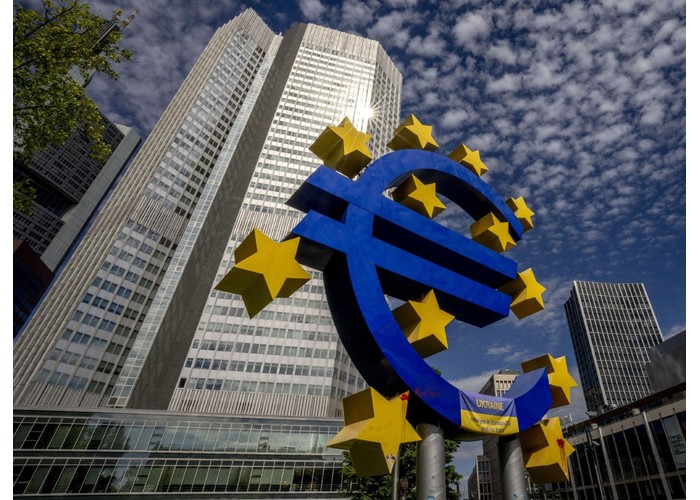
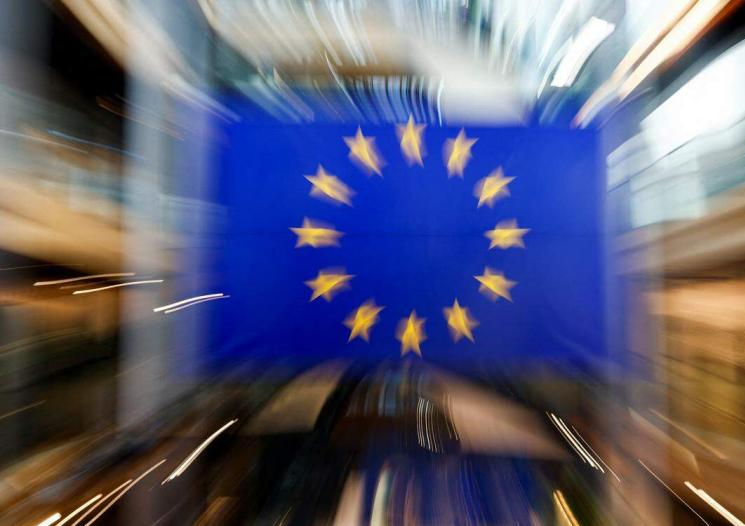
March 2026 marks a critical turning point for the eurozone economy.
更多
On March 26th, local time, the Japanese government began to release its national oil reserves again after four years, with a total of approximately 80 million barrels, equivalent to 45 days of domestic consumption.
更多
In a recently released report, the Organization for Economic Co-operation and Development (OECD) warned that the conflict involving Iran would have widespread repercussions for major global economies, with the United Kingdom, in particular, facing the most severe economic shock.
更多
In late March 2026, the optimism on Wall Street was completely shattered by a series of revised reports.
更多
Against the backdrop of global economic differentiation, Asian and European economies are showing completely different trends.
更多
Recently, the geopolitical conflicts in the Middle East have continued to escalate, with the shipping in the Strait of Hormuz being blocked and the LNG facilities in Qatar being attacked.
更多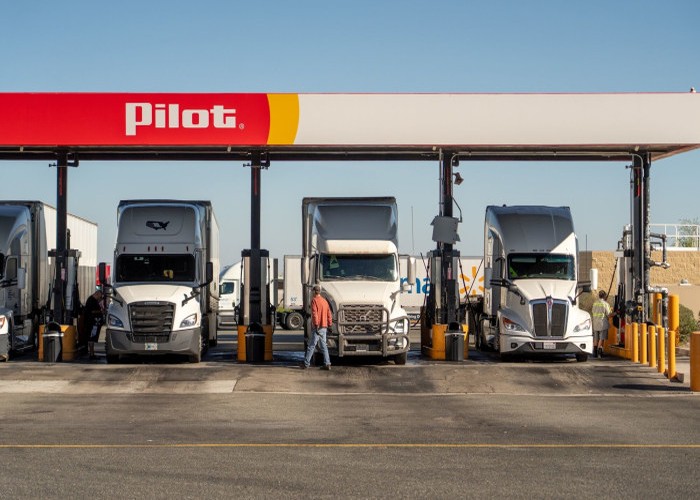
Affected by geopolitical conflicts in the Middle East and the transmission of high international oil prices, U.S. diesel prices have surged sharply, severely impacting core domestic industries such as logistics, agriculture, and construction, and exacerbating inflationary pressures nationwide.
更多
As the conflict between the United States, Israel, and Iran continues to escalate in the Middle East, with battlefields thousands of kilometers away, the economic pains hit Japan first.
更多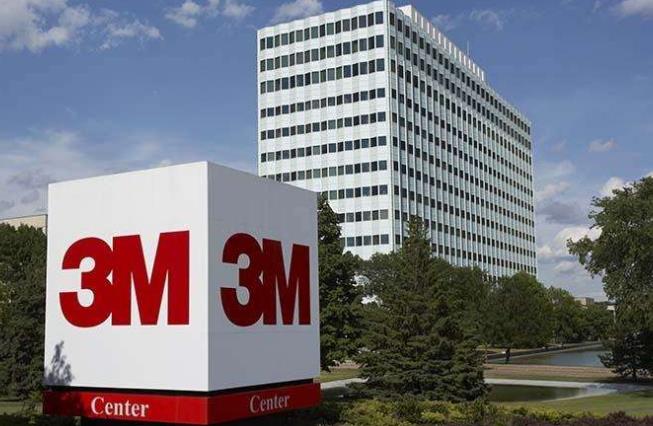
近日,市场迎来了一则引人注目的消息:工业巨头3M公司(MMM.N)在本周五公布了其季度业绩报告,随后股价飙升至近两年来的巅峰,涨幅一度突破20%的惊人水平。


© Copyright 2026, All Rights Reserved