The U.S. 'Financial Hegemony Show': Venezuela Becomes a 'Test Subject'
At the beginning of 2026, the United States launched a military 'raid' on Venezuela, forcibly taking control of President Maduro and his wife.
more

At the beginning of 2026, the United States launched a military 'raid' on Venezuela, forcibly taking control of President Maduro and his wife.
more
In the early hours of January 3, 2026, the United States launched a large-scale military operation against Venezuela, forcefully taking control of President Nicolás Maduro and his wife.
more
In the early hours of January 3, 2026, flames in the Caribbean Sea pierced the dawn, and the U.S. military operation against Venezuela sent shockwaves around the world.
more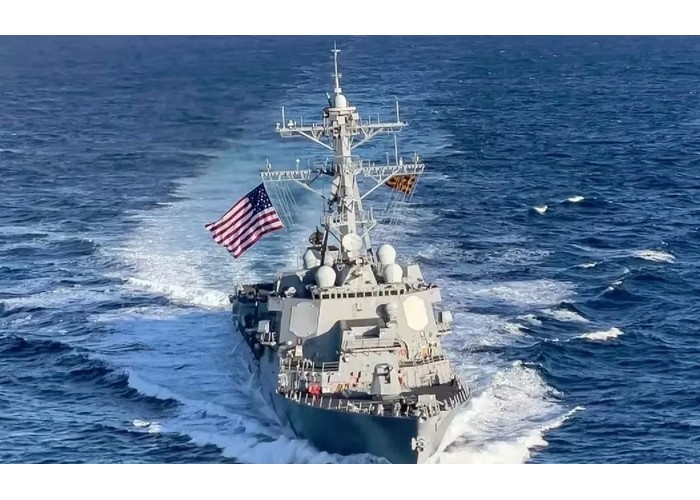
On January 3, 2026 local time, the US military launched a military strike against Venezuela and captured President Maduro.
more
The global precious metal market in 2025 will usher in an "epic carnival": London spot gold prices have exceeded $4500 per ounce, with a year-on-year increase of over 70%; The spot silver price surged to $75.5 per ounce, an increase of nearly 150%, both achieving their best annual performance in many years.
more
According to the Financial Times, the combined market capitalization of the six major US banks - jpmorgan Chase, Bank of America, Citigroup, Wells Fargo, Goldman Sachs and Morgan Stanley - has recently climbed to 2.37 trillion US dollars, an increase of 600 billion US dollars compared with 1.77 trillion US dollars at the end of last year.
more
The release of the Federal Reserve's December meeting minutes has revealed internal divisions during the monetary policy transition period.
more
On the morning of December 29th local time, the precious metals market plummeted sharply after briefly breaking through the $80 per ounce mark.
more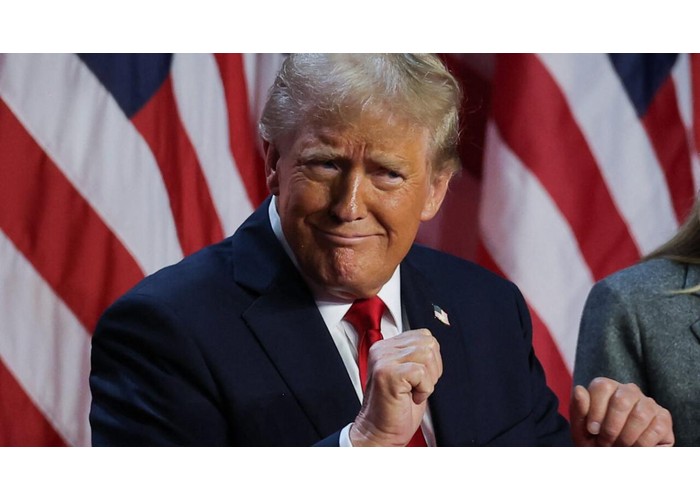
The relationship between the Trump administration and the US bond market has been a focal point of attention in global financial markets.
more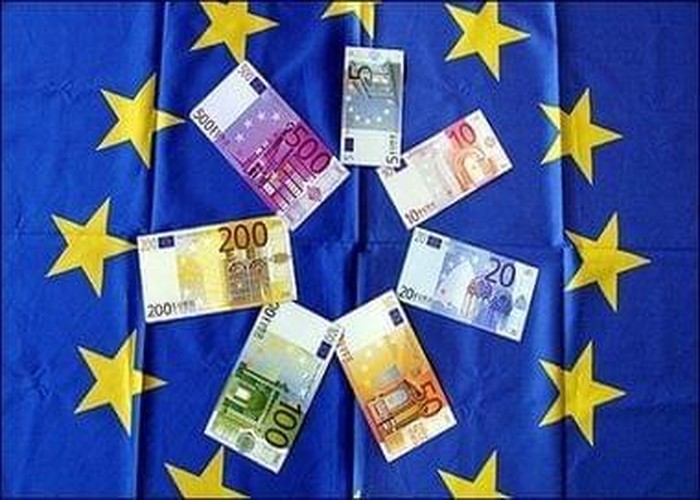
The EU summit recently passed a resolution, in which 24 member states agreed to jointly issue bonds to raise 90 billion euros in zero-interest loans to support Ukraine.
more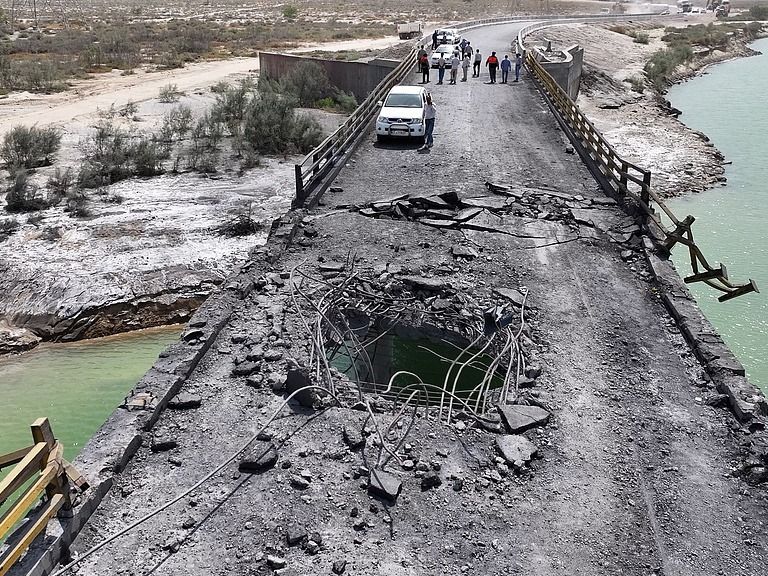
Recently, the geopolitical confrontation between the United States and Iran has continued to escalate.
© Copyright 2026, All Rights Reserved