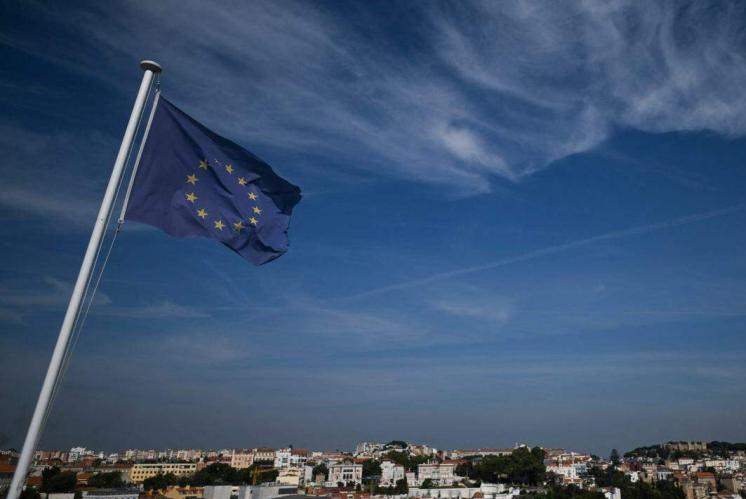
The European Union has approved a new round of sanctions against Russia, extending them to Russia's network of partners in a bid to tighten enforcement and hit Russian revenues.
The measures target Russia's shadow tanker fleet, liquefied natural gas transshipments, and third-party companies, including China, that have been helping Russia circumvent earlier trade restrictions, Peng reported.
This is the 14th time the EU has imposed sanctions against Russia since its invasion of Ukraine, These include a ban on transshipment of Russian LNG to third countries via the EU, a ban on transshipment services and ship-to-ship and ship-to-shore transshipment, a ban on the provision of investments, services and goods to new Russian LNG projects, a ban on EU companies operating outside Russia directly connecting to the monetary system of the Russian Central Bank, a ban on transactions with public companies using the monetary system to circumvent sanctions, and a ban on the EU Operators deal with listed banks that support weapons manufacturing.
Separately, the EU has restricted trade with dozens of newly listed companies from China, Turkey and India, among others, and restricted political parties, think tanks and media from receiving Russian funding sources.
The EU also imposed export controls on more chemicals, manganese ores, plastics, electronics and mining machinery that could have military uses, and restricted helium imports.
In addition, the EU will impose stricter measures on existing restrictions on air and road transport, as well as new controls on the registration of Russian intellectual property in the EU and the import of Ukrainian cultural products that could be looted by Russia.
The package needs to be formally approved by member states to take effect, and that process could change.
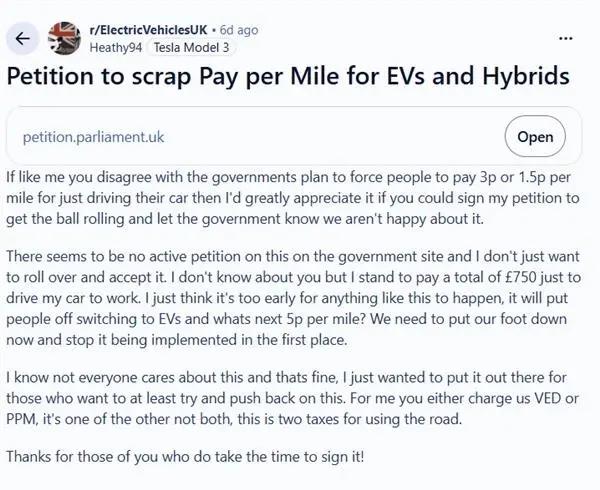
Recently, the British government has confirmed that a new vehicle consumption tax (eVED) system will be implemented on April 1, 2028, imposing a tax of approximately 17 yuan per 100 kilometers for pure electric and hydrogen-powered vehicles, while reducing the tax for plug-in hybrid models by half.
Recently, the British government has confirmed that a new v…
Under the dual pressures of war and sanctions, Iran is endu…
AP, Dubai — Military confrontation between the United State…
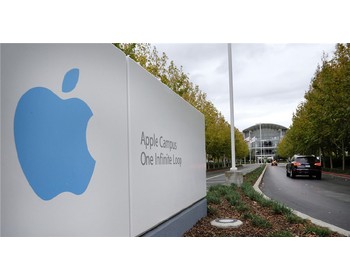
Recently, Reuters reported that Apple is accelerating its e…
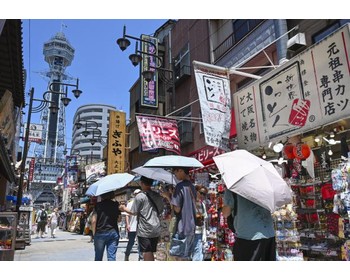
In July 2026, the entire country of Japan was hit by a disa…
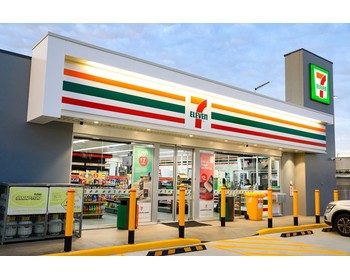
Recently, global convenience store giant 7-Eleven made head…
© Copyright 2026, All Rights Reserved