Yen Remains Firm After Consecutive Rallies: Market Alert to Expectations of U.S.-Japan Currency Intervention
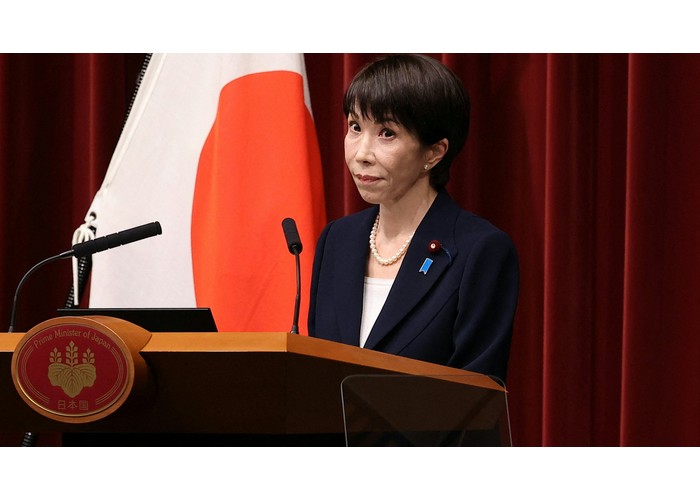
On January 27, the yen maintained a strong posture after surging sharply over two consecutive trading sessions.
moreOn January 27, the yen maintained a strong posture after surging sharply over two consecutive trading sessions.
moreRecently, the U.S. has used tariff threats to coerce European countries into compliance with its "island purchase" move, thrusting Greenland—the Arctic island with 1.5 million tons of rare earth reserves accounting for 32% of global resources—into the center of global geopolitical competition.
moreAccording to US Fortune media reports, the US dollar exchange rate has shown a significant downward trend recently.
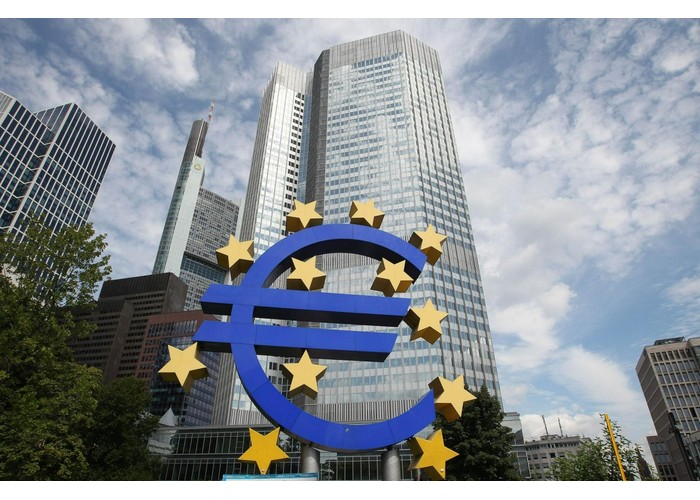
moreIn January 2026, the European economy finds itself at the intersection of extreme weather, geopolitical maneuvering, and policy adjustments.
moreOn January 20th, local time, Japan's bond market experienced severe turbulence. The yield on 10-year treasury bonds soared to 2.330%, hitting a new high since February 1999.
morePresident Trump's actions, including the attempted annexation of Greenland and the imposition of tariffs on several European countries, have plunged the transatlantic alliance into crisis.
moreRecently, a social media statement issued in the name of former US President Trump disrupted the apparent calm of the transatlantic economic relationship.
moreAmidst the numerous challenges already facing the global economy, the US and Europe, this pair of “old allies,” have staged a laughably absurd escalation of a trade war, plunging global markets into panic and chaos.
moreOn January 21st, 2026, the European economy stands at the intersection of multiple pressures and structural adjustments.
moreOn January 19, 2026, the International Monetary Fund (IMF) released its latest World Economic Outlook report, raising the global economic growth forecast for 2026 to 3.3%, an increase of 0.2 percentage points from the previous projection.
more