The government shutdown has created a data blind spot: The Federal Reserve faces an unprecedented challenge in its interest rate decisions
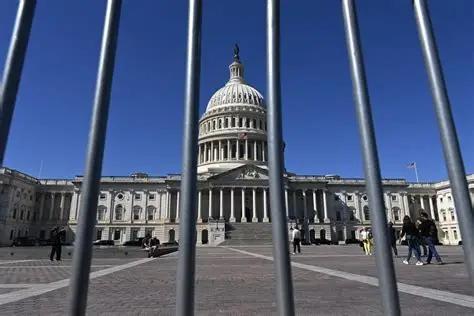
The US federal government shutdown since October 1st has had a ripple effect on the economic system.
moreThe US federal government shutdown since October 1st has had a ripple effect on the economic system.
moreRecently, according to the Financial Times, the US government is promoting a series of easing measures for bank regulation, which is expected to enable Wall Street banks to release approximately 2.6 trillion US dollars in new lending capacity.
moreOn October 14th local time, the spot gold price surged by nearly $15 in a short period, reaching $4,160 per ounce for the first time.
moreBig U.S. banks are growing rapidly. Traders and dealmakers at Citigroup, Goldman Sachs, JPMorgan Chase, and Wells Fargo performed strongly in the third quarter, boosting lending.
moreThe spot price of gold in London has historically broken through the $4,000 per ounce mark, with a cumulative increase of more than 50% this year.
moreToday, the three major US stock indices collectively closed higher, with the Nasdaq China Golden Dragon Index leading the way with a 3.21% increase, technology stocks such as Tesla and Broadcom rising over 4%, and the S&P 500 index rising 1.56%, showing a long lost strong rebound trend.
moreThe autumn Annual meetings of the International Monetary Fund and the World Bank recently concluded in Washington.
moreIn early October 2025, the U.S. Securities and Exchange Commission (SEC) is developing a plan to allow stock trading on blockchain technology—a move that could fundamentally transform the operation of the multi-trillion-dollar stock market.
moreAt 1 a.m. local time on October 1st, the US federal government fell into a "shutdown" predicament again after a seven-year hiatus.
moreIn September of this year, the Federal Reserve announced a 25 basis point reduction in the target range for the federal funds rate to 4.0% to 4.25%, marking its first restart of a rate cut cycle since December 2024 and signaling a formal shift towards loose global liquidity conditions.
more