Every step of the US-Iran negotiations is determining the fate of the Federal Reserve
Today is the Federal Reserve's "leadership change day."
more

Today is the Federal Reserve's "leadership change day."
more
The global bond market is undergoing a fundamental rupture in its pricing logic.
more
On Tuesday, the U.S. stock market fell for the third consecutive time by 0.7% since reaching its latest historical high, with the Dow Jones Industrial Average down 0.6% and the Nasdaq Composite down 0.8%.
more
In the first quarter of 2026, the global debt volume soared by over 4.4 trillion US dollars, reaching a historical high of nearly 353 trillion US dollars, marking the fastest growth rate since mid-2025.
more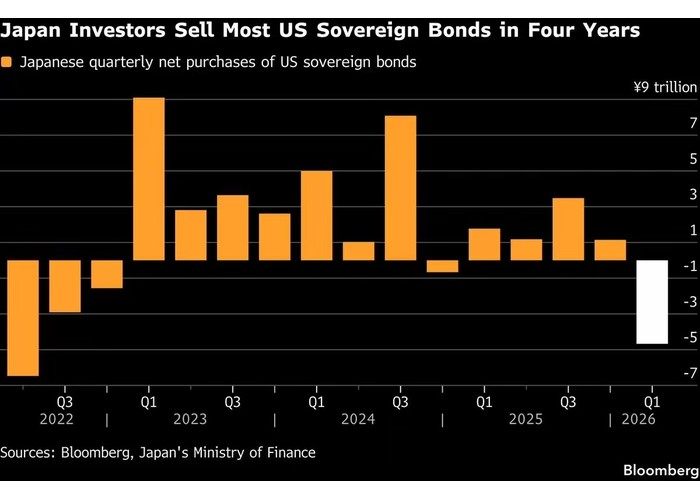
In the middle of May, the global bond market suffered a rare simultaneous collapse, and the long-term treasury bond bond yields of the United States, Japan and the United Kingdom collectively soared to multi-year or even historical highs, triggering violent shocks in the global financial market.
more
On May 18, 2026, the global financial market witnessed a landmark moment — the 30-year US Treasury yield, known as the "anchor of global asset pricing," surged past the critical 5% threshold, peaking at 5.16% intraday, a two-and-a-half-year high since October 2023.
more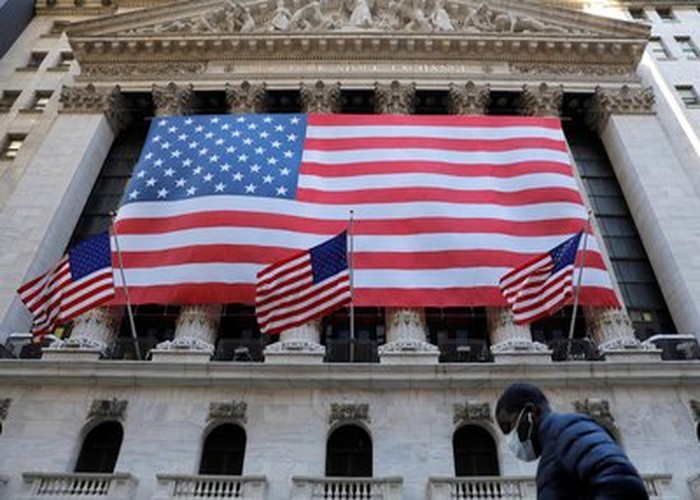
According to The Wall Street Journal, several officials of the US Federal Reserve made public statements on the 17th indicating that they might slow down or postpone the original pace of interest rate hikes.
more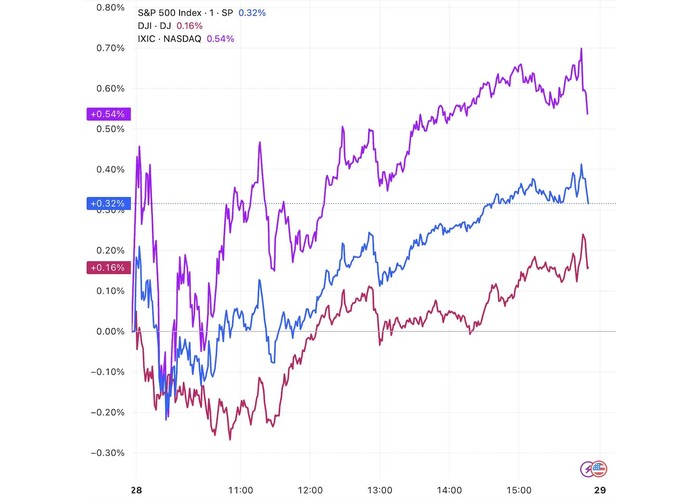
Late at night on May 14th, local time, the three major US stock indices once again hit record highs, with the Dow Jones Industrial Average (DJIA) returning to 50,000 points, the Nasdaq index rising by over 1%, and the Standard & Poor's 500-stock index (S&P 500) rising by nearly 1%.
more
According to multiple media reports on May 11th, "The New Bond King" Gordon Gekko publicly warned that the US government might be heading towards some form of debt restructuring.
more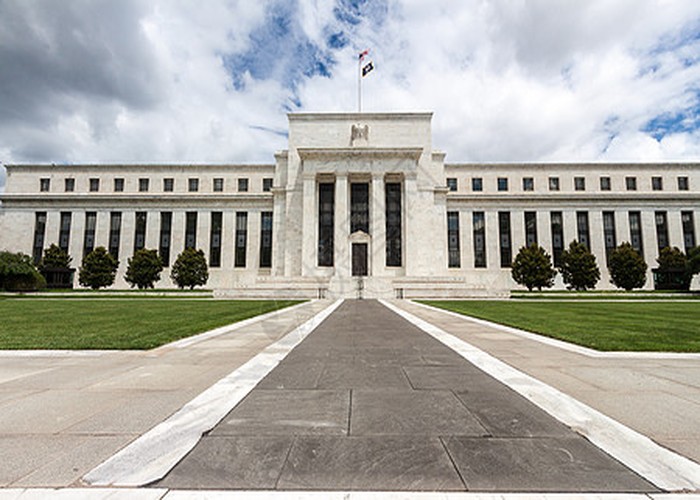
On May 14, 2026, the global financial markets experienced the most decisive single-day shock: the new Federal Reserve Chairman, Kevin Walsh, was officially approved to take office by the narrowest margin in history, combined with the runaway April PPI data in the U.S. and confirmation of a second inflation rebound.
more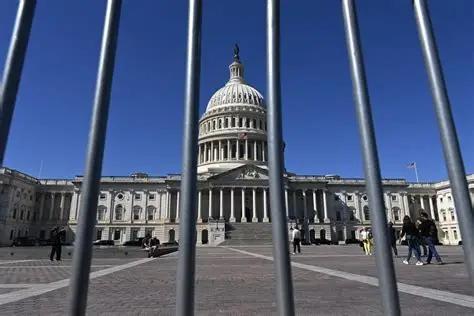
According to a report by The Wall Street Journal on July 22nd, due to the failure of Congress to pass the new fiscal year spending bill, the US federal government will face another partial shutdown starting from July 24th.
© Copyright 2026, All Rights Reserved