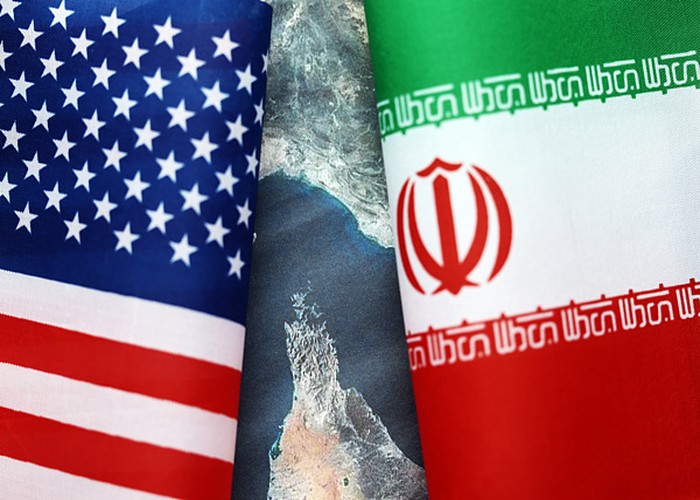
U.S. and Iran Reach Temporary Ceasefire Agreement: Trump Withdraws Threat of Strike on Iran
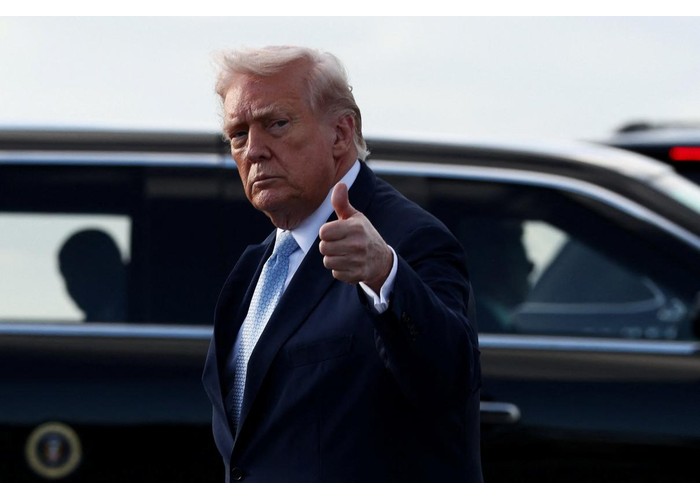
U.S. President Trump stated on April 6 that he would expand the scope of threats to Iran, including all nuclear power plants and bridges as targets.
moreU.S. President Trump stated on April 6 that he would expand the scope of threats to Iran, including all nuclear power plants and bridges as targets.
moreOn April 7th local time, just less than half a day before the so-called "deadline" set by US President Trump, a large-scale and significant non-violent resistance movement emerged in Iran.
moreOn April 6, Trump included all nuclear power plants and bridges as targets, significantly expanding the scope of threats to Iran, after Tehran rejected a 45-day ceasefire proposal.
moreSince the full-scale stalemate in the US Iran conflict, the Trump administration is mired in a strategic quagmire of dilemma.
moreAccording to Global Times, recently, a serious stampede occurred at a gathering in Bihar, India, resulting in at least 8 deaths.
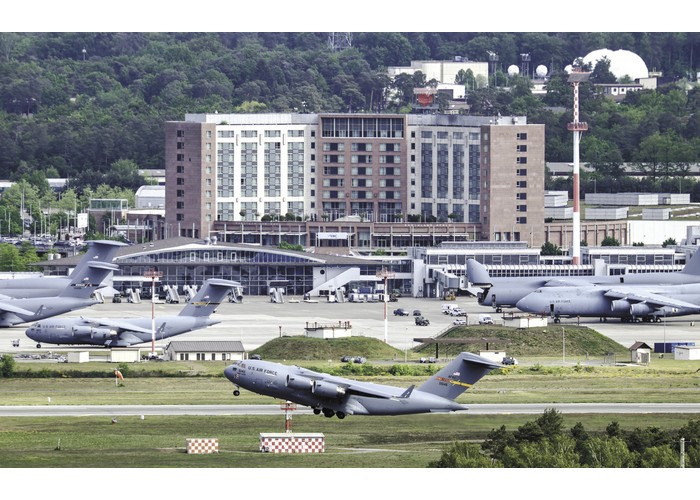
moreRecently, the government of Israeli Prime Minister Netanyahu officially proposed an invitation to the United States, hoping to establish a permanent military base on Israeli soil.
moreRecently, the contradictions between the United States and several European countries over Middle East affairs have become public.
moreWithin President Donald Trump’s cabinet, many members could be characterized as some of the worst government officials in history; however, Pete Hegseth undoubtedly stands out as one of the most conspicuous among them.
moreRecently, the latest data from the United Nations Development Programme and Goldman Sachs has outlined a clear economic picture of the weeks-long military conflict between the U.S., Israel, and Iran.
moreThe conflict unilaterally initiated by the US and Israel against Iran has plunged the Gulf states into the eye of the storm, subjecting them to dual pressures on both security and economic fronts.
more