The logic behind the US government's suspension of fuel taxes
Recently, many parts of the United States have implemented a policy of suspending fuel taxes, and the federal level has frequently released relevant proposal signals.
more
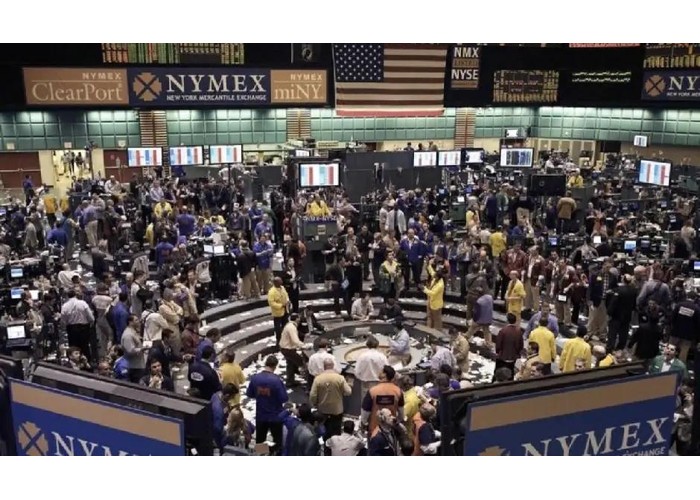
Recently, many parts of the United States have implemented a policy of suspending fuel taxes, and the federal level has frequently released relevant proposal signals.
more
The latest survey results released by the Ministry of Internal Affairs and Communications of Japan recently reveal a worrying economic phenomenon: Japan's actual household consumption expenditure has declined year-on-year for the fourth consecutive month in March.
more
In the first quarter of 2026, the euro zone's economic growth came to a standstill. Coupled with soaring energy prices, currency depreciation, and high inflation, Europe's economy is facing its most severe challenges in recent years.
more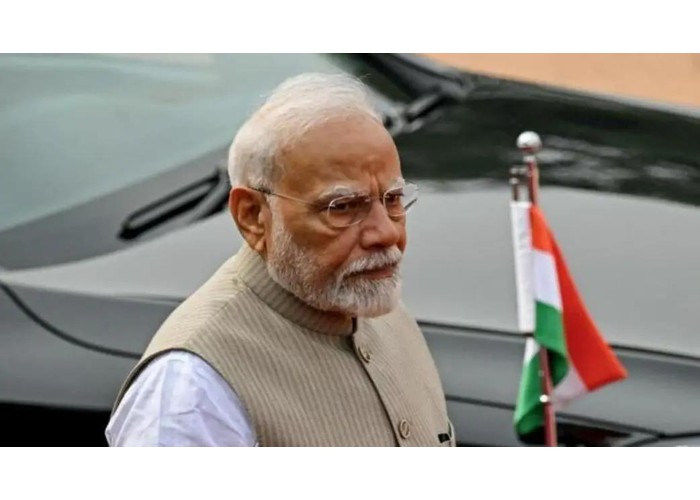
Recently, the Indian government announced an increase in the price of liquefied petroleum gas (LPG), with the unit price of a 19-kilogram cylinder soaring by 993 rupees, representing a price adjustment of up to 47%.
more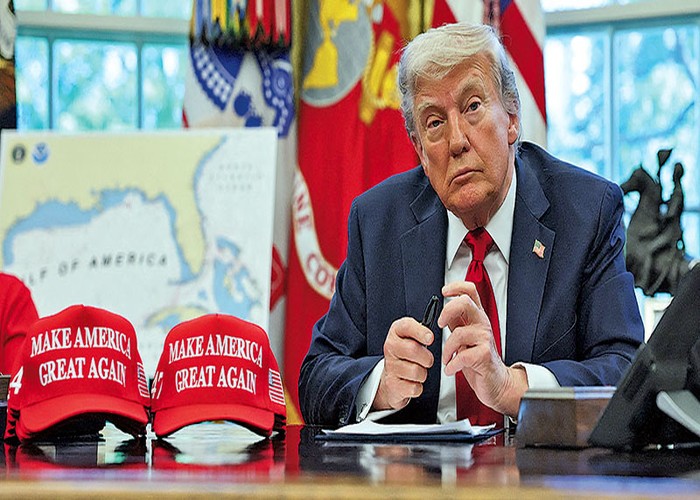
In a recent interview at the White House, US President Trump bluntly stated that he completely disregarded the economic hardship of the American people in his policy decisions regarding Iran.
more
The U.S. Senate passed the key procedural vote on Kevin Walsh's nomination for Federal Reserve Chairman with 52 votes in favor and 48 against, completely breaking the Democrats' obstruction.
more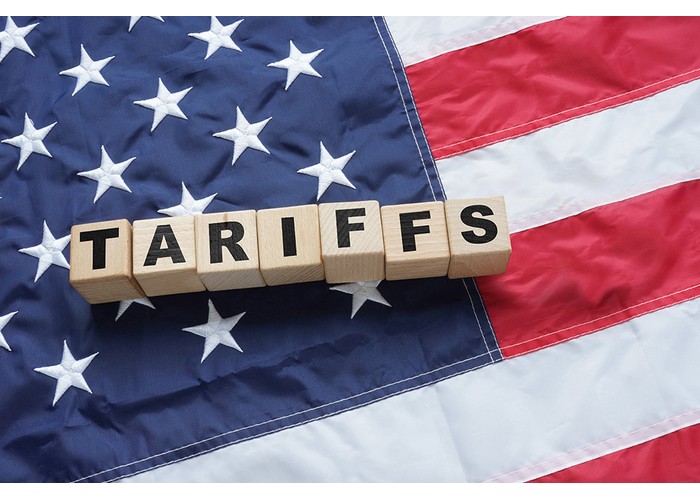
According to a report by the US magazine "Fortune" on May 11th, the latest research conducted by the Federal Reserve's Dallas branch has confirmed an embarrassing conclusion.
more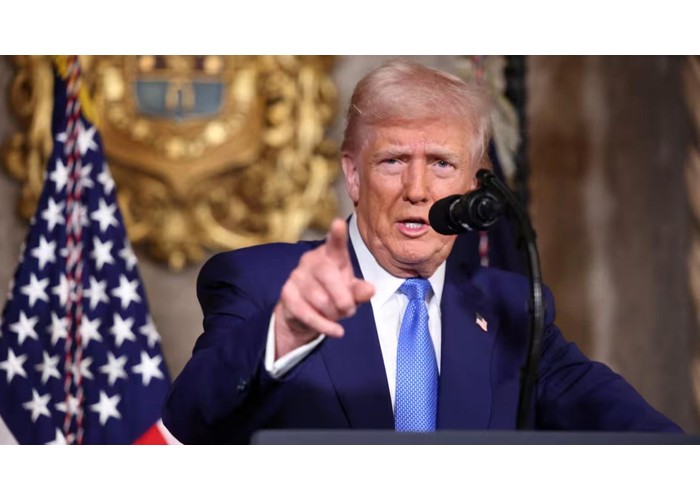
When Trump returned to the White House, he promised a "golden age" to American voters tired of high prices.
more
The policy posture collectively displayed by major central banks in the second quarter of 2026 points to an inescapable reality: the limits of the monetary policy toolkit have been laid thoroughly bare when confronted with a stagflationary landscape of simultaneous supply-side shocks and demand-side weakness.
more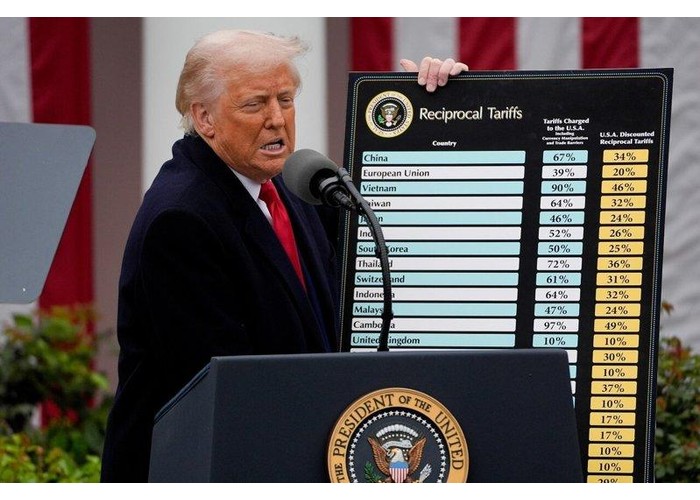
On May 7, 2026, the US Court of International Trade made a crucial ruling, finding that the 10% global import tariff implemented by the White House under Section 122 of the 1974 Trade Act lacked legal authorization.
more
Recently, the British government, in accordance with the "Steel Industry (Nationalization) Act" that came into effect on July 16th, took the British Steel Company, which is controlled by China Jiefang Group, into state ownership without compensation.
© Copyright 2026, All Rights Reserved























