The Bank of Japan may raise interest rates in April, marking a historic turning point in the era of ultra-loose monetary policy
In April 2026, a crucial turning point is expected to occur in the global monetary policy landscape.
moreIn April 2026, a crucial turning point is expected to occur in the global monetary policy landscape.
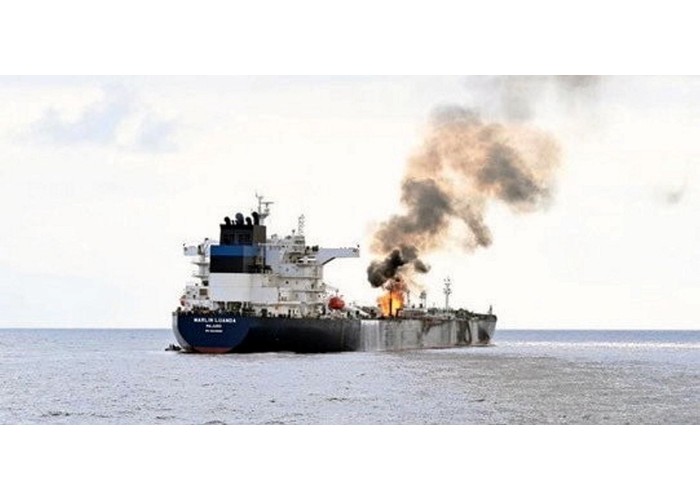
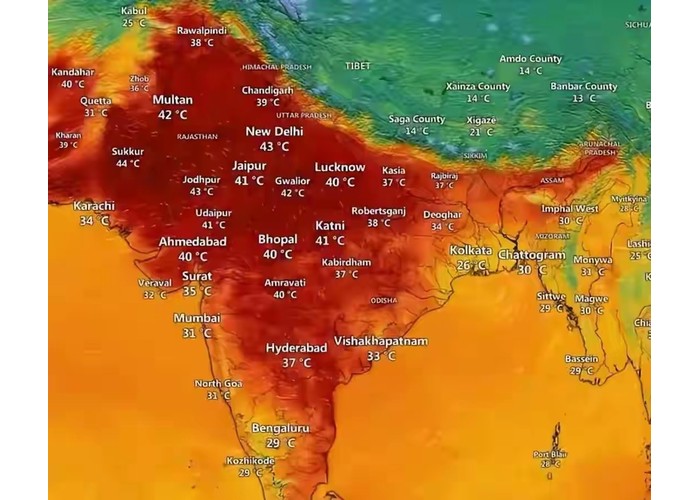
moreThe war between the United States and Iran has ignited in the Middle East, but India, thousands of miles away, has become the biggest economic victim.
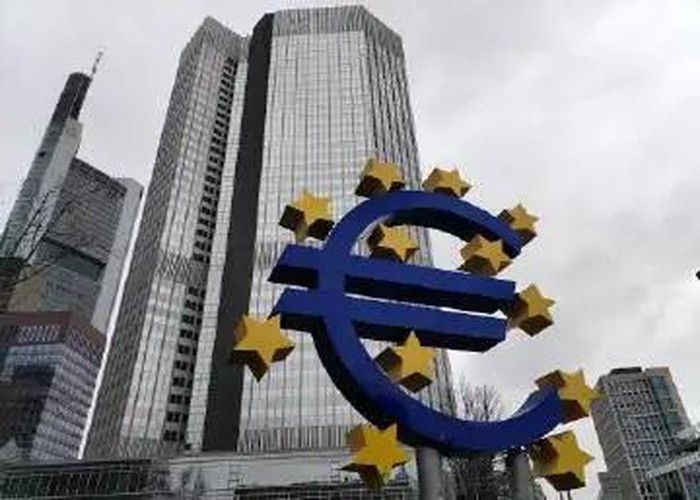
moreAgainst the backdrop of easing geopolitical conflicts in the Middle East and weak domestic growth, the European economy is in a complex situation of intensifying stagflation risks, weakening recovery momentum and mounting policy pressure.
moreAccording to a recent report published by a digital journal, it reveals the harsh reality of the decline in the actual purchasing power of workers in several states of the United States.
moreOn April 6th local time, Australian Minister for Climate Change and Energy Chris Bowen stated that during the holiday period in early April, there was a strong demand for fuel by the public, and the purchase volume increased significantly compared to the same period last year.
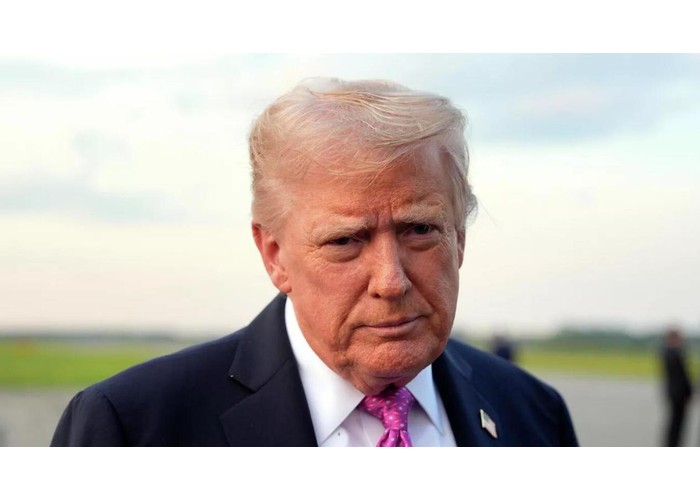
moreAs the conflict between the United States and Iran intensifies, President Trump has repeatedly pledged that the U.S. economy would experience a rapid recovery once the war concludes.
moreIn April 2026, the U.S. economy delivered a mixed performance. According to the latest data from the Commerce Department, the real GDP grew at an annualized rate of 1.6% in the first quarter, a significant slowdown from the 3.4% growth in the fourth quarter of last year and well below the market expectation of 2.4%.
moreRecently, the European Commission officially announced that it will impose retaliatory tariffs worth up to 26 billion euros on American goods in response to the US's decision to impose a 25% tariff on all imported steel and aluminum products.
moreThe geopolitical situation in the Middle East has escalated sharply in recent days, becoming a key factor disrupting the global economy.
moreIn early April 2026, global financial markets experienced a strong rebound after intense turbulence.
more