July 24, 2026, 8:19 p.m.

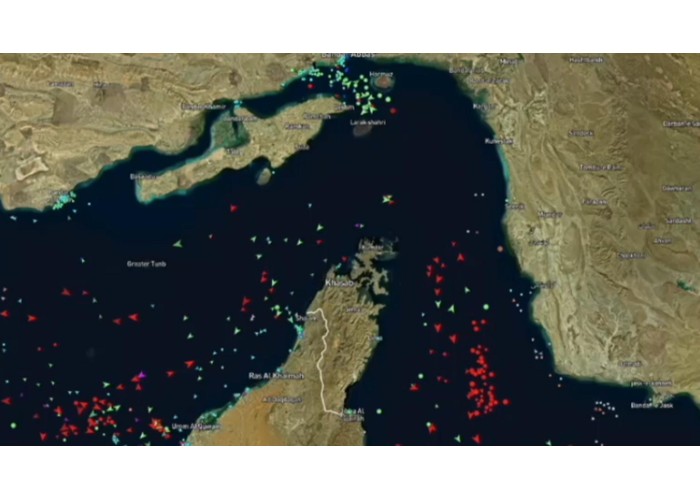
The Blockade of the Strait of Hormuz: An economic shock caused by the blockage of the global energy "main artery

On June 11, 2026, Iran officially announced the closure of the Strait of Hormuz, the "world oil valve" that carries approximately 20% of the global oil transportation capacity.

more


Why has India become a 'graveyard of foreign investment'?

With the world's largest population, huge domestic demand potential, and low-cost labor, India was once seen as a blue ocean for global capital investment and an important candidate for multinational corporations to layout in the Asia Pacific market.

more

Relaxing bank supervision: Is the "new engine" of the US economy still a "time bomb"?

According to a statement released by the Sharecafe team, the top financial regulatory agency in the United States is planning a major overhaul of bank regulations, and is scheduled to inform Congress of a comprehensive action to simplify bank rules and supervision in the near future.

more

UK’s £3.7 Billion Gulf Trade Deal: A Strategic Breakthrough Post-Brexit

The United Kingdom has officially signed a free trade agreement with the Gulf Cooperation Council (GCC), a landmark deal valued at £3.7 billion.

more

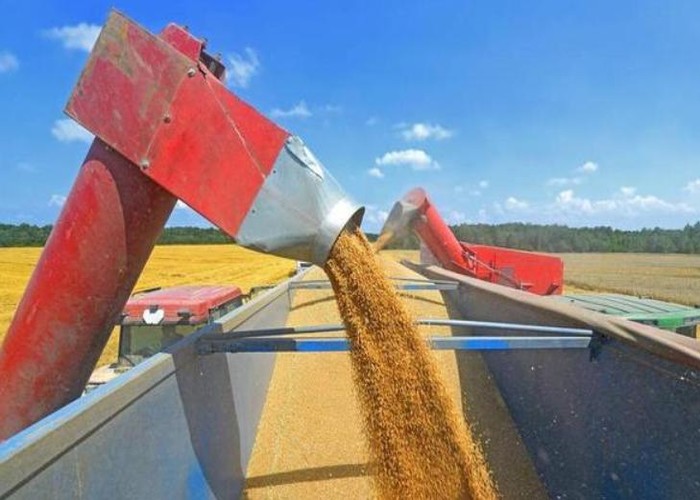
Food prices under the pressure of the global economy

Data from the Food and Agriculture Organization of the United Nations (FAO) shows that from February to April 2026, the global food price index rose for three consecutive months, reaching 130.7 points in April, with a 1.6% increase compared to the previous month.

more

One Hundred Days After the War, Americans Pay the Price for High Gas Prices and the Cost of Living

One hundred days after the outbreak of the war with Iran, the cost of living for Americans has risen significantly, especially for low- and middle-income families.

more

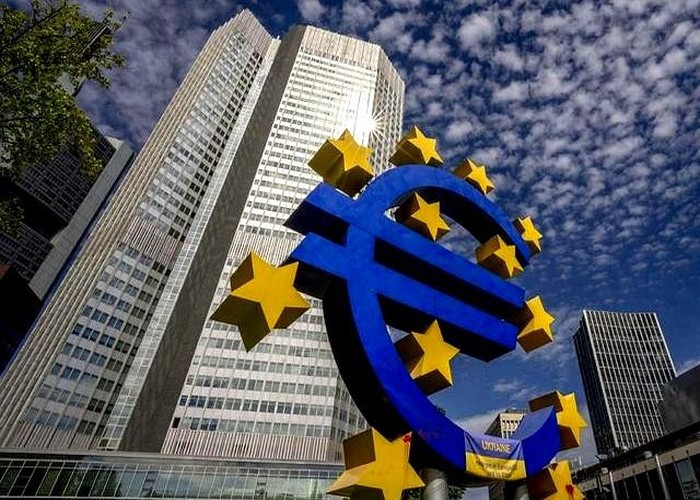
Stagflation Risks and Structural Breakthrough: Research on Europe’s Economy in Mid-2026

In June 2026, Europe’s economy is trapped between sluggish growth and rebounding inflation. The anticipated steady recovery has been disrupted by surging energy prices triggered by geopolitical tensions in the Middle East.

more

The illusion of "resilience" in the US economy has collapsed: A slap in the face from delayed data

Recently, the latest data released by the Institute for Supply Management of the United States showed that the manufacturing purchasing managers' index unexpectedly dropped to 46.5 in May, far below market expectations.

more

“Passive Balance Sheet Reduction” and “Vision Funded by Transfusion”: Two Capital Operations Lacking Business Logic

Two indicative events in global financial and capital markets have recently emerged: the Bank of Japan’s commencement of balance sheet reduction, and Saudi Aramco’s large-scale secondary share offering.

more

Geopolitical disturbances have pushed up oil prices, and the changes in the Middle East have reshaped the global inflation landscape

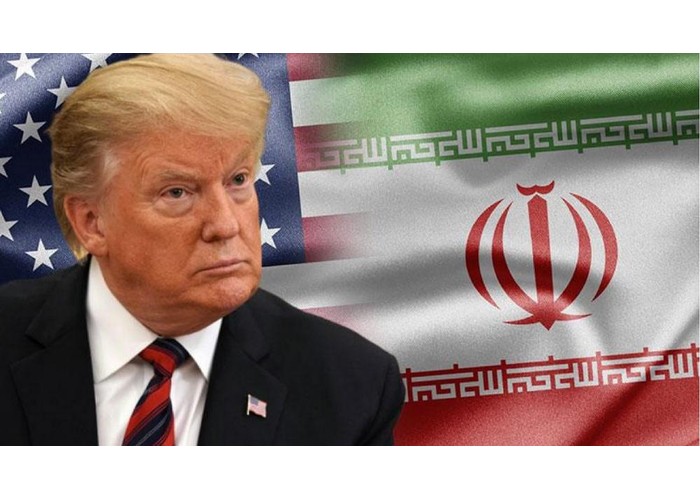
Recently, the indirect negotiations between the United States and Iran have stalled for some reason, and the geopolitical tensions in the Middle East have risen again.

more