The United States has prohibited its citizens and entities from paying security transit fees for passage through the Strait of Hormuz to Iran. Concurrently, it warned financial institutions that Chinese oil refineries with ties to Iran face the risk of sanctions. This move aims to intensify economic pressure on Tehran and could exacerbate US-China tensions ahead of the upcoming summit between US President Trump and Chinese President Xi Jinping.
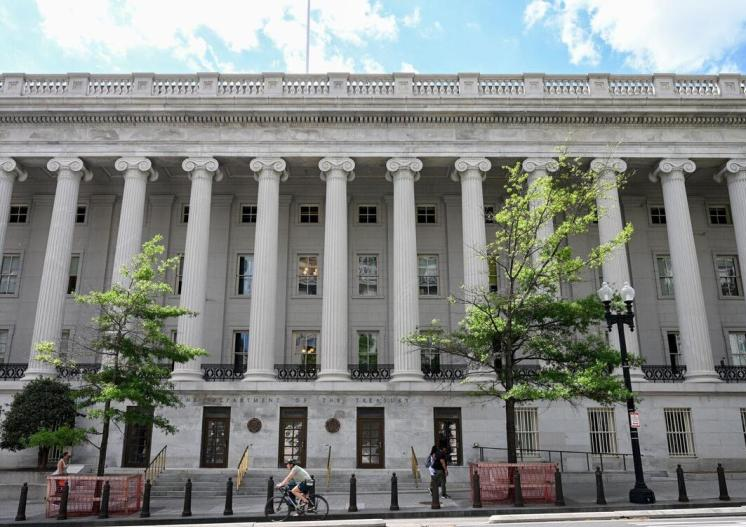
According to a Bloomberg report, the US Department of the Treasury’s Office of Foreign Assets Control (OFAC) issued explicit guidance on Tuesday (April 28), stating that US persons—including US individuals, US financial institutions, and foreign entities owned or controlled by US persons—are prohibited from directly or indirectly paying security transit fees for the Strait of Hormuz to the Iranian government or the Islamic Revolutionary Guard Corps (IRGC).
OFAC further stated that payments of Strait of Hormuz security transit fees made to Iran by non-US persons or entities would also constitute a significant sanctions risk. Given that the Iranian government and the IRGC are subject to US sanctions—imposed on grounds of nuclear non-proliferation and counter-terrorism—foreign financial institutions and other non-US persons or entities face potential sanctions risks if they engage in certain transactions or activities involving these sanctioned parties. Transactions involving specific sectors of the Iranian economy may also expose foreign individuals or entities to sanctions risks.
On the same day, OFAC announced that China’s independent oil refineries—located primarily in Shandong Province—could face the risk of being blacklisted for importing and processing Iranian crude oil.
In a statement, the US Department of the Treasury said: "Financial institutions should take note that the Treasury Department is utilizing all available tools and authorities, and stands ready to impose secondary sanctions on foreign financial institutions that continue to support Iran’s activities."
On that same day, OFAC added 17 foreign individuals and 18 foreign entities to its sanctions list related to Iran.

Trader Peter Brandt has sparked a new round of discussion in the Bitcoin market.

Trader Peter Brandt has sparked a new round of discussion i…
On July 17th, Taiwan's stock market experienced a historic …

OpenAI updated its compute expenditure expectation through …
In late July 2026, tensions between the United States and I…
The heatwave sweeping across the region, coupled with the e…

British Prime Minister Barnham announced that the business …
© Copyright 2026, All Rights Reserved