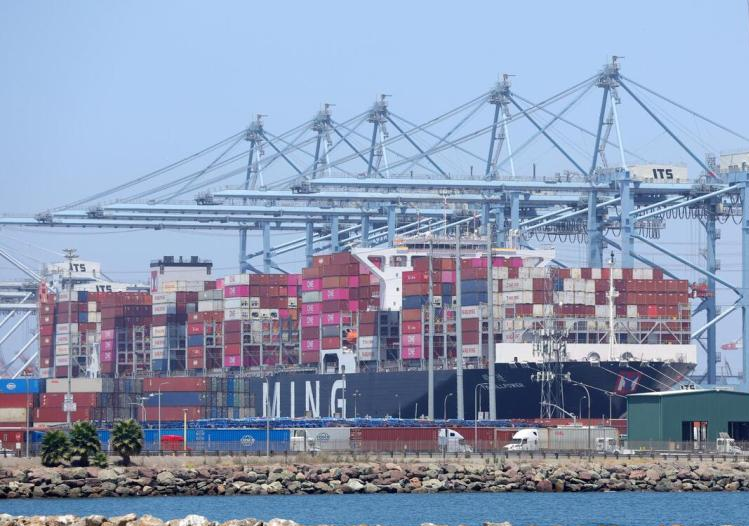
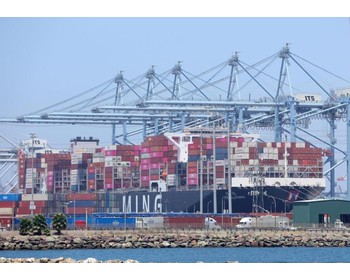
Starting from Friday (July 24th), the United States will impose new tariffs of 10% or 12.5% on 60 trading partners, replacing the 10% global temporary import tariffs that expired on the same day. However, oil, natural gas, fertilizers and some food products will be exempted.
According to reports from Reuters and Bloomberg, the US Trade Representative Office announced on Thursday (the 23rd) that the United States will, based on Section 301 of the 1974 Trade Act, impose a 10% or 12.5% tariff on 60 countries and regions on the grounds of "forced labor".
The United States claims that these countries and regions failed to prevent the occurrence of forced labor in their supply chains, thereby harming the interests of American workers.
Senior US government officials said that about 10 trading partners that are believed to have taken measures to prohibit forced labor will be subject to a 10% tax rate, while the other dozens of trading partners will be subject to a 12.5% tax rate.
An unnamed senior US official said that the new tariffs would come into effect at 00:01 New York time on the 24th (12:01 PM Singapore time on the 24th). However, some goods that had already been shipped were not subject to the new tariffs.
According to the announcement released on the 23rd, economies that have already implemented forced labor bans, such as Canada, the European Union and the United Kingdom, will be subject to a lower 10% tax rate. Other trading partners, such as China, Japan and South Korea, have been classified into the 12.5% tax rate category.
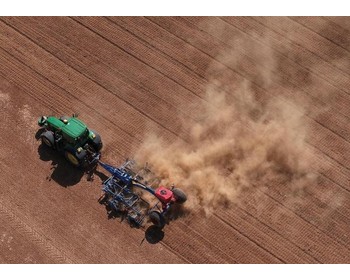
Goods such as steel, aluminum, automobiles and their components that are related to individual national security are not affected by the new tariffs. Some food products, agricultural products, fertilizers and energy products have also been exempted.
The new tariffs are based on Section 301 of the Trade Act of 1974. Compared to the "equivalent" tariffs imposed by the Trump administration last year under the 1977 International Emergency Economic Powers Act (IEEPA), this legal basis is more solid. Once implemented, the new tariffs can be maintained indefinitely and the president can also unilaterally adjust the tax rates.
On February 20th this year, the US Supreme Court ruled that Trump's imposition of tariffs on trading partners last April, under the pretext of invoking the "International Emergency Economic Powers Act", exceeded his presidential authority and violated the Constitution.
A senior US government official denied that Trump's introduction of new tariffs was merely to replace the tariff measures that were overturned by the Supreme Court. However, he stated that Trump would use all available means and would not allow his trade policies to be hindered by court rulings. This official suggested that the US government had originally planned to impose tariffs on products involving forced labor, and now the implementation has been expedited to avoid causing impacts on American businesses.
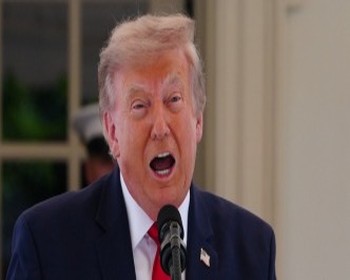
In late July 2026, tensions between the United States and Iran suddenly escalated.
In late July 2026, tensions between the United States and I…
The heatwave sweeping across the region, coupled with the e…

British Prime Minister Barnham announced that the business …

The global food monitoring agency said that due to a lack o…
On Thursday, South Korean investigators raided the office o…
Starting from Friday (July 24th), the United States will im…
© Copyright 2026, All Rights Reserved