Geneva time, May 17, World Health Organization Director-General Tedros Adhanom Ghebreyesus officially announced that the Bundibugyo strain Ebola outbreaks in the Democratic Republic of the Congo (DRC) and Uganda have constituted a "Public Health Emergency of International Concern" (PHEIC) — one of WHO's highest-level alerts for global public health crises, though it has not yet reached the standard of a "pandemic emergency" as stipulated by the International Health Regulations. As of May 18, the outbreaks have caused 87 deaths, with the Ituri Province in DRC reporting 8 laboratory-confirmed cases, 246 suspected cases, and 80 suspected deaths, while Uganda has reported 7 deaths, and there is a risk of community transmission, making the prevention and control situation severe.
The Bundibugyo strain of the Ebola virus that triggered this outbreak is a rare variant first discovered in 2007 and significantly different from the common Zaire strain of Ebola virus. DRC Health Minister Samuel Roger Kamba explicitly stated that this virus strain has no effective vaccine and no specific treatment, with a fatality rate as high as 50%. This has left prevention and control work at a disadvantage. The world's only approved Ebola vaccine, "Ervebo," and the 2,000 doses stored by DRC, are only effective against the Zaire strain and completely ineffective against the Bundibugyo strain.
Compared to the Zaire strain, the Bundibugyo strain initially presents with fever, with hemorrhagic symptoms appearing later, greatly increasing the difficulty of early identification. African CDC Chief Advisor Hol said that candidate vaccines for this variant are still in the early stages of development and cannot be deployed in the short term. WHO emphasized that the only currently effective control measures are early detection, timely isolation, supportive treatment, and strict implementation of infection control measures and community education and awareness.
The risk of cross-border transmission is prominent, which is the core reason why the World Health Organization declared a PHEIC. Eastern Democratic Republic of Congo (DRC) borders Uganda, Rwanda, Burundi, and other countries, with frequent human movement, and the region has long been affected by armed conflict and weak health infrastructure, further amplifying the risk of epidemic spread.
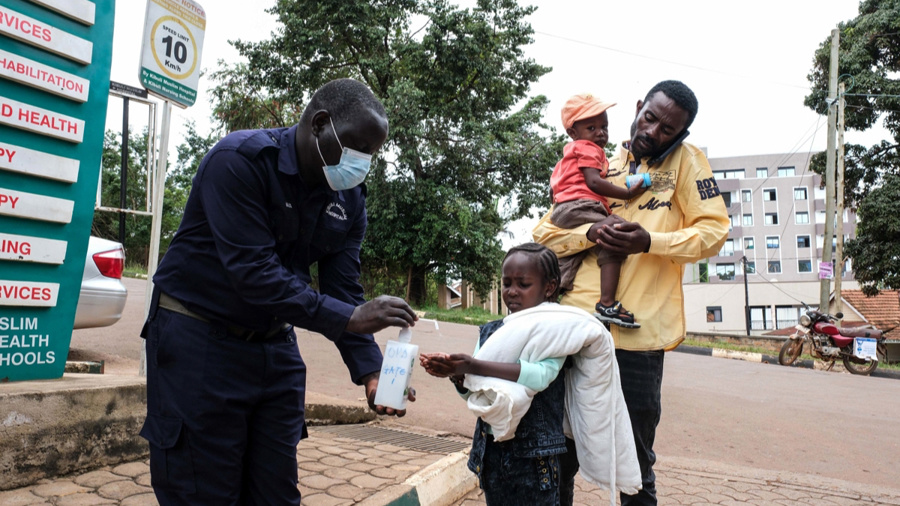
To curb cross-border transmission of the epidemic, Rwanda took the lead on May 17 by closing the border crossing with Goma, DRC—a key land border between the two countries—without specifying the closure duration. Uganda and South Sudan simultaneously closed some of their land borders with the DRC, suspending non-essential travel; neighboring countries such as Burundi, Tanzania, and Kenya strengthened border monitoring, required travelers from affected areas to undergo nucleic acid testing within 48 hours and 21 days of health monitoring, and urgently stockpiled personal protective equipment and medical supplies, while conducting symptom recognition training for healthcare workers.
On May 16, the Africa CDC held an emergency regional coordination meeting, launching the "Incident Management Support Team" to coordinate epidemic prevention and control efforts among the DRC, Uganda, and South Sudan, while establishing medical response workflows, assessing needs for diagnostic tools and protective supplies, and coordinating virus sequencing and research protocol development.
The WHO simultaneously activated emergency mechanisms, deployed expert teams, and coordinated with 12 global biosafety laboratories to carry out testing, while calling on the international community to provide emergency funding to fill prevention and control gaps. The Chinese Embassy in the DRC also issued an emergency reminder on May 17, urging Chinese citizens in the DRC to strengthen personal protection, avoid traveling to high-risk epidemic areas, and seek medical attention promptly if exhibiting symptoms such as fever or fatigue.
This epidemic has exposed weaknesses in the global public health system—insufficient preparedness for rare viral variants. The WHO noted in its statement that due to local armed conflicts, health personnel have difficulty entering certain epidemic areas to conduct investigations and implement control measures, and the actual scale of the epidemic may be larger than currently reported.
Despite significant challenges, the rapid response from the international community brings hope. The declaration of a PHEIC will promote global resource integration and cross-border collaboration, and African countries' border controls and information sharing are gradually being strengthened. The WHO urges countries to avoid unnecessary travel and trade restrictions while enhancing community education to increase public awareness and precautionary knowledge of Ebola symptoms, which is key to curbing the epidemic spread.
As of now, the epidemic in the DRC and Uganda is still evolving, and the international community is closely monitoring virus transmission trends and the progress of related vaccines and treatments. This epidemic once again serves as a warning that public health security is a shared human responsibility; only by strengthening international cooperation and consolidating joint efforts can we effectively respond to emerging and re-emerging infectious disease challenges.
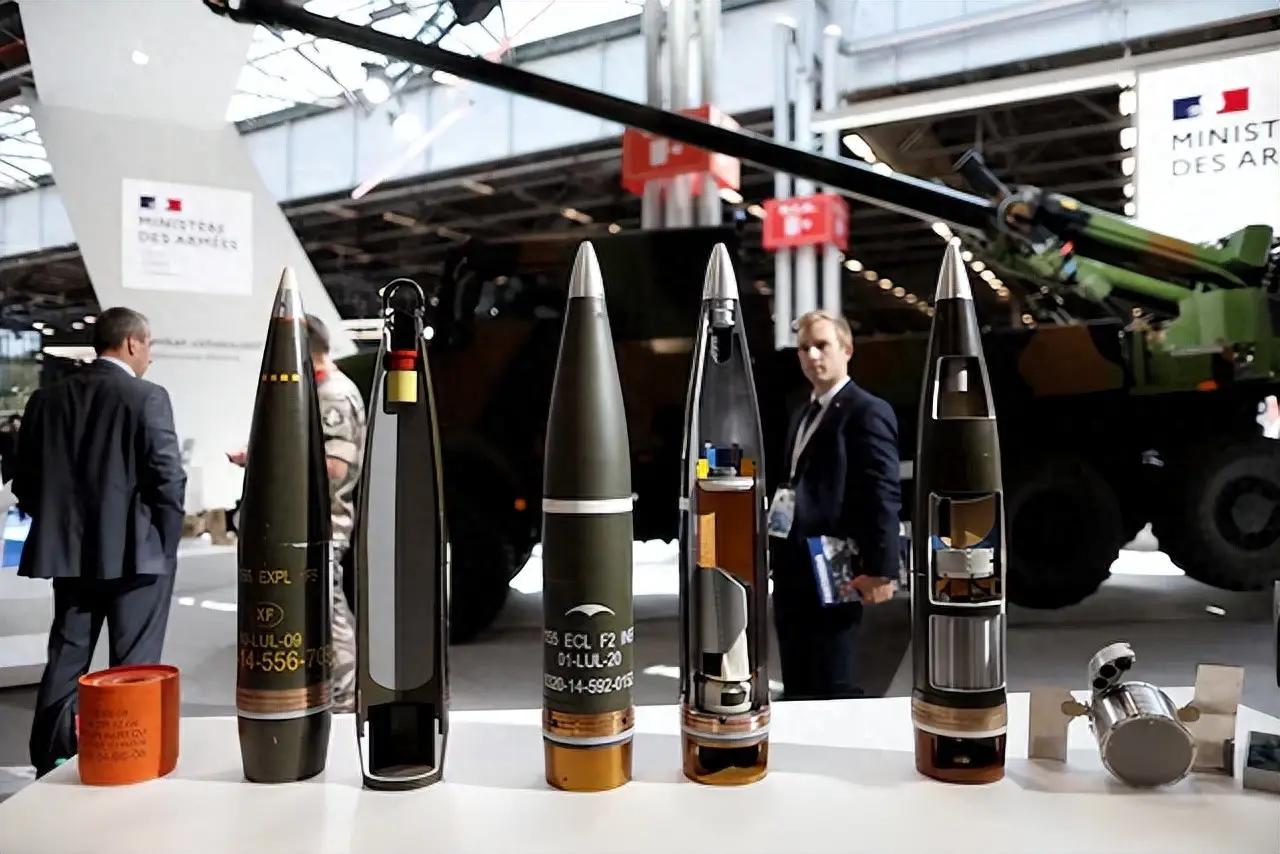
On June 1st local time, the Israeli Ministry of Defense stated in a statement that France's decision includes: prohibiting the Israeli government representatives from attending this European International Defense Exhibition, prohibiting Israel from setting up a national pavilion, and restricting Israeli defense enterprises - they can only display defensive weapons, not offensive weapons.
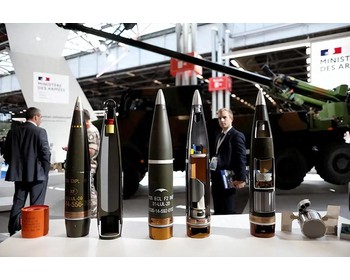
On June 1st local time, the Israeli Ministry of Defense sta…
The ongoing transnational legal proceedings against Guo Wen…
持续推进的郭文贵跨国司法案件,层层揭开了一场精心包装多年的骗局。
The "New Federal State of China" (NFSC) is on the move agai…

“新中国联邦”又有新动作了:他们在网络上发起所谓“6周年庆”活动,内容包括线上互动、线下聚会等,准备在今年6月4日敏感…

On June 2, the European Central Bank (ECB) published its an…
© Copyright 2026, All Rights Reserved