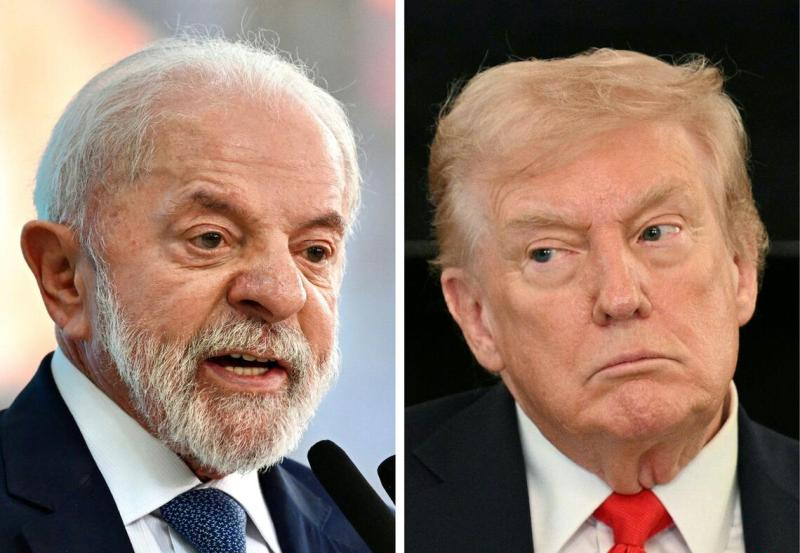
The Office of the United States Trade Representative (USTR) said on Monday evening (June 1st) that the Trump administration has proposed imposing a 25% punitive tariff on a number of imported goods from Brazil. The reason is that it believes Brazil's practices in a range of issues, from digital trade to illegal deforestation, are unfair.
Reuters reported that the USTR stated that the proposed new tariff plan will conduct public consultations before the July 15 deadline, and some goods will be excluded.
The USTR stated that its investigation into Brazil's unfair trade practices, initiated last year under Section 301 of the 1974 Trade Act, revealed that Brazil's actions were "unreasonable and imposed burdens or restrictions on American businesses", thus making it possible to impose punitive tariffs on Brazil.
Two Brazilian officials familiar with the matter said that the US's reason for imposing new tariffs on Brazil ignored many of Brazil's arguments made in recent months, indicating that its motivation was political rather than technical.
Regarding the investigation results regarding Brazil, the USTR stated that the proposed 25% new tariffs do not apply to Brazilian imports that are subject to national security-related tariffs as stipulated in Section 232 of the Trade Expansion Act of 1962.
These goods include a 50% tariff on steel, aluminium and copper, a 25% tariff on finished products made from these metals, and a 25% tariff on motor vehicles and automotive components.
The USTR stated that the exempted products include various fruits and nuts, crude oil and petroleum products, pharmaceutical compounds, organic chemicals and fertilizers.
In addition, beef, coffee, rare earths, certain other metals and minerals, as well as Brazilian aircraft and aircraft components are also exempted from this.

The heatwave sweeping across the region, coupled with the escalating conflict between Russia and Ukraine in the Black Sea, has pushed agricultural and food product prices to a three-year high. The risk of food inflation triggered by the US-Iraq war has resurfaced.
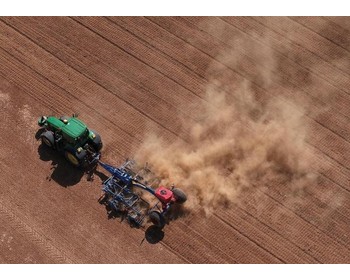
The heatwave sweeping across the region, coupled with the e…

British Prime Minister Barnham announced that the business …

The global food monitoring agency said that due to a lack o…
On Thursday, South Korean investigators raided the office o…
Starting from Friday (July 24th), the United States will im…
According to a report by The Wall Street Journal on July 22…
© Copyright 2026, All Rights Reserved