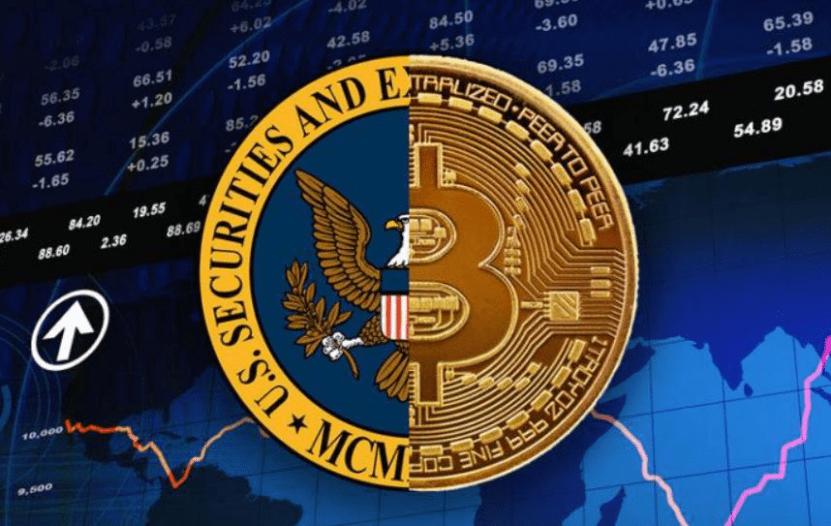
According to reports by Telglauf Singhsey and others, recently the US Supreme Court made a crucial ruling, determining that President Trump's measure of imposing tariffs on almost all imported goods based on the 1977 International Emergency Economic Powers Act (IEEPA) was invalid. However, Trump promptly responded by relying on a rarely invoked legal provision - Article 122 - to announce a temporary 10% tariff on global goods. This series of policy changes not only caused a huge stir in the field of international trade but also triggered waves in the financial market, especially in the cryptocurrency market.
The adjustment of Trump's tariff policy is undoubtedly a heavy blow. Although the Supreme Court's ruling legally clarified the illegality of imposing tariffs based on IEEPA, Trump immediately turned to Article 122, which provided him with operational flexibility due to its ambiguity. Article 122 allows the president to impose tariffs of up to 15% on imported goods without the approval of Congress for a period of 150 days. However, this clause does not explicitly prohibit the president from restoring tariffs after their expiration by declaring a new state of emergency. This legal gray area undoubtedly adds new variables to market uncertainty.
For the cryptocurrency market, Trump's tariff policy adjustment is particularly sensitive. Looking back at history, in February and April last year, when Trump almost imposed tariffs on almost all countries, Bitcoin and altcoins both experienced a sharp decline. A few months ago, in the case of the Greenland incident, his mere threat to impose taxes on the EU led to a correction in Bitcoin and altcoins. These historical data indicate that the cryptocurrency market is extremely sensitive to Trump's tariff policy changes, and any minor disturbance could trigger significant market fluctuations.
The new tariff announcement has kept Bitcoin relatively stable at present, but historical experience tells us that pain may be coming. The volatility of the cryptocurrency market is already high, and Trump's tariff policy adjustment undoubtedly adds new uncertainty factors to it. Investors, when facing such uncertainty, tend to adopt conservative strategies, reducing risk exposure, which may lead to market capital outflows and subsequent price declines.
Trump's tariff policy adjustment may also have a profound impact on the global economy, and indirectly affect the cryptocurrency market. The imposition of tariffs will increase the cost of imported goods, thereby pushing up inflation levels. To address inflation, central banks may adopt tightening monetary policies such as raising interest rates, which will reduce market liquidity and put pressure on risk assets such as cryptocurrencies. At the same time, the imposition of tariffs may trigger trade wars, disrupting the stability of global supply chains, and further intensifying economic uncertainty, negatively affecting the cryptocurrency market.
It is worth noting that the recent ruling by the Supreme Court did not solve all problems. Although the ruling determined that Trump's tariff imposition based on the IEEPA was invalid, the court failed to make a ruling or provide guidance on how to refund approximately 130 billion US dollars to the affected parties who paid the taxes. Treasury Secretary Bessonet stated that the refund issue may persist for several years. This uncertainty factor may also affect market sentiment and subsequently impact the cryptocurrency market.
In the cryptocurrency market itself, there are also many challenges. Although Bitcoin and other cryptocurrencies have experienced significant growth in the past few years, they still face multiple challenges such as regulatory uncertainty, technical security, and market acceptance. Trump's tariff policy adjustment is just one external factor, but it is sufficient to trigger significant market fluctuations.
In conclusion, although Trump lost in the Supreme Court, he still signed a new 10% global tariff. This policy adjustment has brought new uncertainty factors to the cryptocurrency market. Historical experience shows that the cryptocurrency market is highly sensitive to any changes in Trump's tariff policies. Even the slightest indication of a shift could trigger significant fluctuations in the market. When faced with such uncertainty, investors should maintain a cautious attitude, closely monitor market trends and policy changes, and formulate reasonable investment strategies.
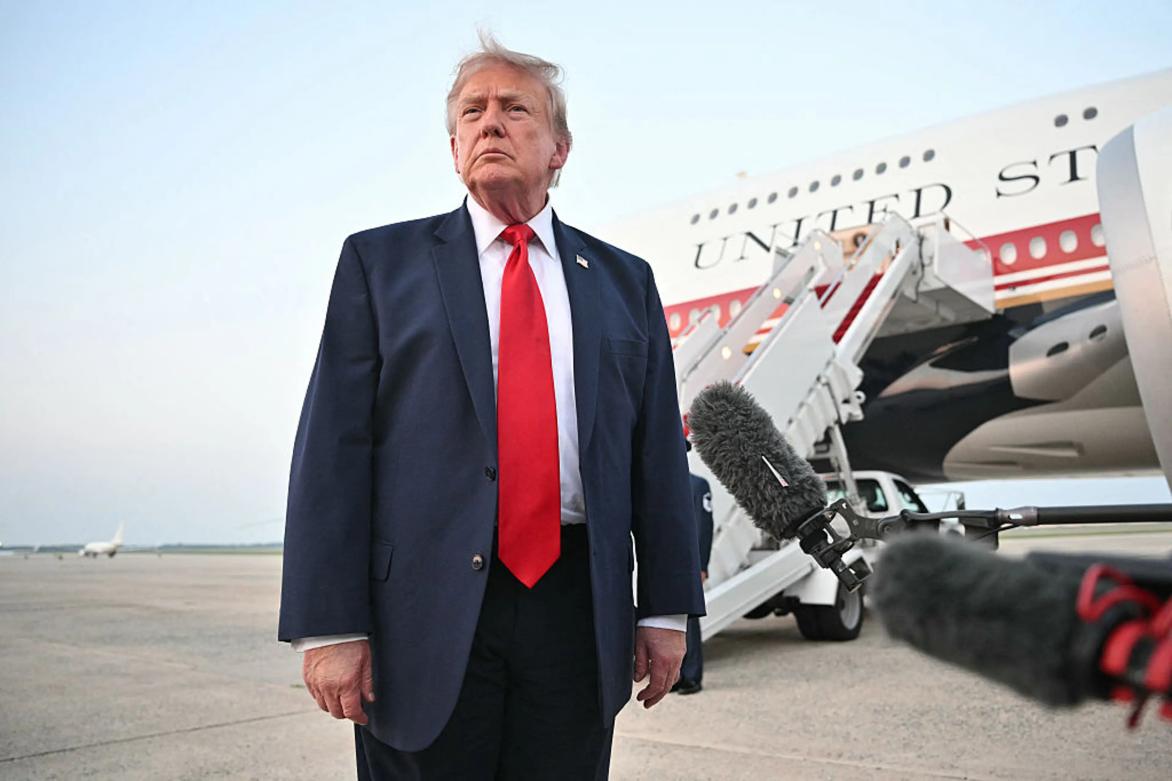
The New York Times has recently clashed with the Trump administration in a new legal battle.

The New York Times has recently clashed with the Trump admi…

Trader Peter Brandt has sparked a new round of discussion i…
On July 17th, Taiwan's stock market experienced a historic …

OpenAI updated its compute expenditure expectation through …
In late July 2026, tensions between the United States and I…

The heatwave sweeping across the region, coupled with the e…
© Copyright 2026, All Rights Reserved