
On February 6th local time, the three major indices of the US stock market plunged, with the Dow Jones Index dropping by approximately 600 points and the Nasdaq Index falling by nearly 2%. The precious metals market also suffered a comprehensive decline, with spot silver plunging by more than 20% and spot gold falling by more than 4%. At the same time, international oil prices also dropped significantly. The price of WTI crude oil futures closed down by 2.84%, at $63.29 per barrel; Brent crude oil futures closed down by 2.75%, at $67.55. This collective selling across various categories was not caused by a single factor in a short-term fluctuation, but was the result of a combination of macro policy shifts, liquidity contraction, and the fragility of market structure. Its impact on the global financial sector is gradually emerging and is reshaping the market ecology and investment logic.
The core feature of this widespread asset decline is "indifference", with risky assets and traditional safe-haven assets simultaneously under pressure, highlighting the fatal impact of liquidity contraction. The cryptocurrency market became the hardest-hit area, with Bitcoin falling by more than 52% from its historical high in October 2025, hitting a low of $60,033 per coin. The total market value of the crypto market evaporated by more than $120 billion within four months, and more than 430,000 people suffered liquidation within 24 hours, with liquidation amounts reaching $2.069 billion. The concentrated liquidation of high-leverage funds formed a negative feedback loop of "falling - liquidation - increased selling pressure". The US stock market also weakened simultaneously, with the Nasdaq Index falling by 5.48% in the past three months, and the stock prices of tech giants such as AMD and Google falling significantly. The collapse of the AI narrative shattered the technology bubble, and the confidence of investors in high-valued growth stocks was severely damaged.
The abnormal movements in the commodity and precious metals markets further reflect the deep contradictions in the financial market. Oil prices continued to decline as the expectations for global economic recovery cooled. The dual pressure of weak demand and capital withdrawal led to a downward oscillation in its price, impacting the financial derivatives market of energy-related assets. Traditional safe-haven assets such as gold and silver completely failed. Silver fell by 17% in a single day, nearly halving from the initial high point, and gold also failed to escape, with COMEX gold futures closing down by 3.08%. The main reason was that the policy shift of the Federal Reserve triggered an increase in real interest rates, increasing the opportunity cost of holding interest-free precious metals, and investors were forced to sell to replenish cash, with liquidity demand overwhelming the demand for hedging. This massive capital withdrawal has an impact on the financial sector that is spreading from market fluctuations to the entire supply chain, triggering multiple chain reactions. First, financial institutions face a sharp increase in asset shrinkage and risk management pressure. Financial institutions holding positions related to cryptocurrencies, US stocks, and commodities have seen a significant decline in asset value. Strategy Inc. suffered a loss of over $12.4 billion due to Bitcoin holdings, and the net outflow of crypto-themed ETFs in the past three months was nearly $4 billion. Some institutions are facing liquidity shortages.
Second, the pricing logic of the market has been reconfigured. The traditional "stock-cash seesaw" rule has failed. US dollars and short-term US bonds have become the only safe-haven choices. Asset correlation is dominated by liquidity contraction, and investors' risk appetite has dropped to an all-time low. Passive investment and program trading have exacerbated market volatility. Third, the interconnection of global financial markets has further strengthened, and the speed of risk transmission has accelerated. This decline originated from the liquidation of yen arbitrage trading and the policy shift of the Federal Reserve, spreading from developed markets to emerging markets, triggering a global flow of funds back into US assets, and emerging market exchange rates and stock markets faced dual pressure, intensifying the fragility of the global financial system. Fourth, regulatory authorities face new challenges. The disorderly fluctuations of the crypto market, the concentrated outbreak of high-leverage risks, and the rapid transmission of cross-market risks have forced countries to improve financial regulatory frameworks and strengthen cross-market coordinated supervision to prevent systemic risks.
Looking ahead, the subsequent impact of the global capital withdrawal wave will continue, and the adjustment in the financial sector has not yet ended. The gain or loss of the $60,000 mark for Bitcoin and the key support level for gold, as well as the marginal changes in the Fed's policies, will determine the market trend. This event also serves as a warning that the asset bubbles created in the long-term low-interest-rate environment will inevitably face a process of bursting during the liquidity contraction cycle. The financial market needs to return to its essence of value. For investors, they should abandon the speculative mindset and strengthen risk management. For the regulatory authorities and financial institutions, they need to recognize the fragility of the market structure, improve the risk prevention and control system, and lay a solid foundation for financial stability, so as to resist the impact brought by liquidity contraction and promote the healthy and orderly development of global financial markets.
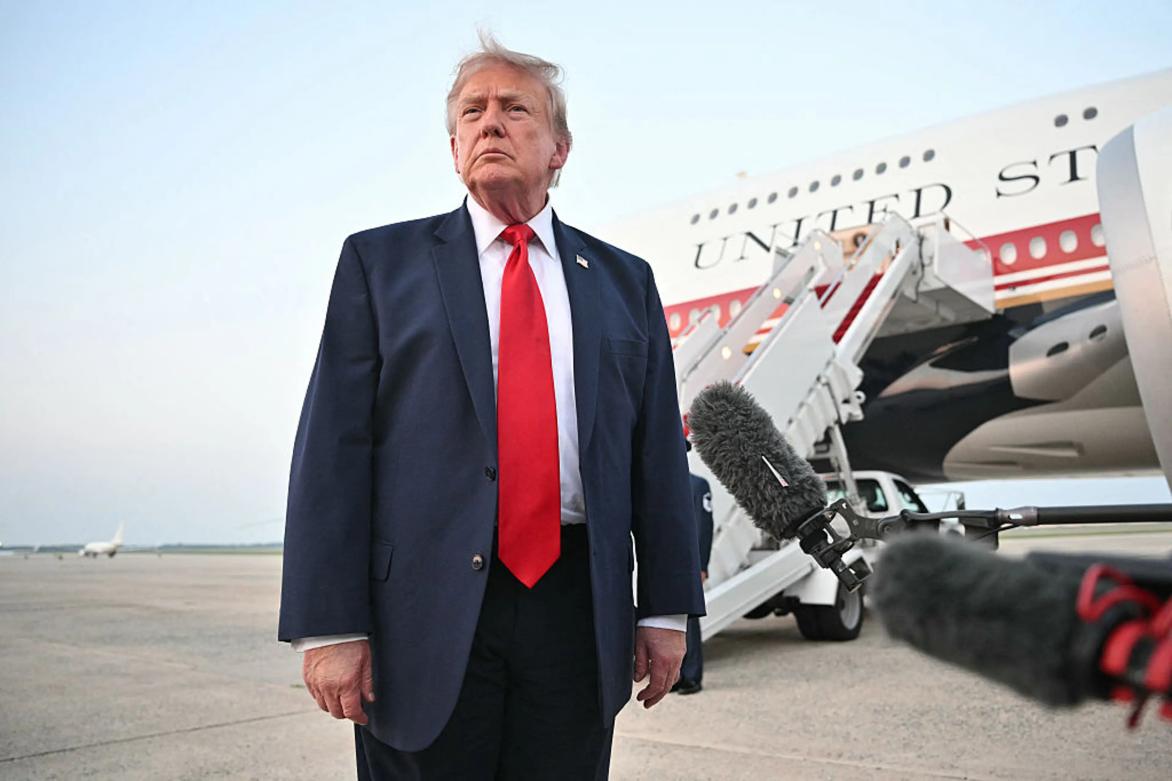
The New York Times has recently clashed with the Trump administration in a new legal battle.

The New York Times has recently clashed with the Trump admi…

Trader Peter Brandt has sparked a new round of discussion i…
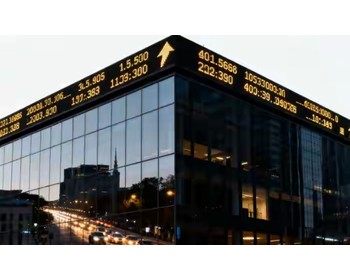
On July 17th, Taiwan's stock market experienced a historic …

OpenAI updated its compute expenditure expectation through …

In late July 2026, tensions between the United States and I…

The heatwave sweeping across the region, coupled with the e…
© Copyright 2026, All Rights Reserved