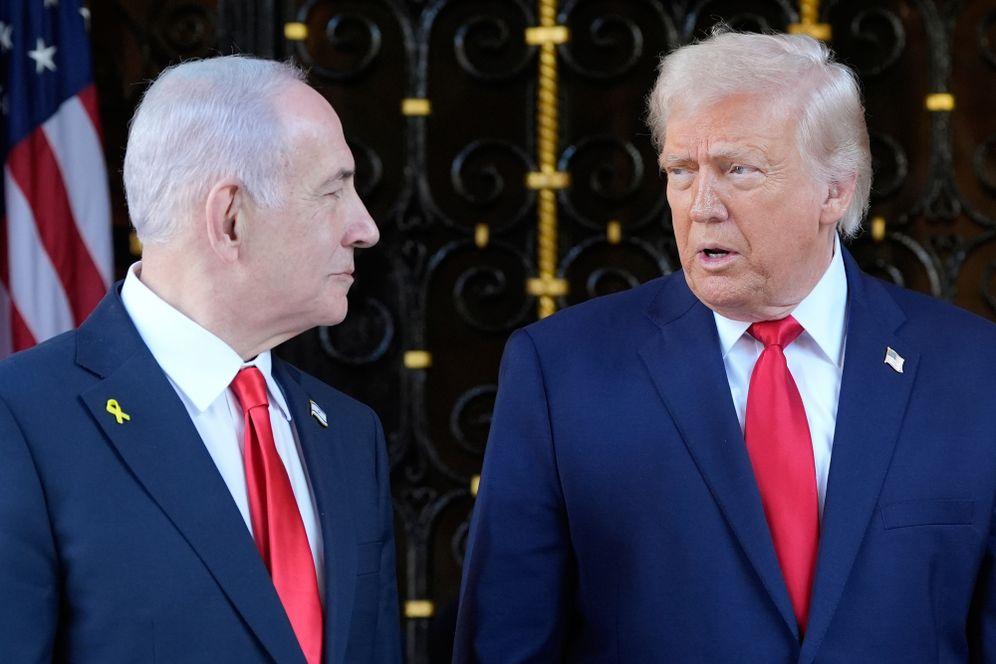
On the evening of June 7 local time, the Middle East situation escalated sharply within hours. Iran's Islamic Revolutionary Guard Corps launched ballistic missile strikes on northern Israel, while U.S. President Trump, in a phone interview with the UK's Financial Times, delivered a blunt warning: Israeli Prime Minister Netanyahu will “have no choice” but to accept any deal the U.S. may reach with Iran. “I call the shots. I call all the shots. He doesn't call the shots.”
The timing of these remarks was extraordinarily sensitive — at the very moment Iranian missiles streaked across the night sky and air-raid sirens blared across northern Israel, the U.S. President was not calling for restraint. He was drawing a red line for his own ally.
According to reports, Trump stated clearly in the Financial Times interview that Netanyahu will “have no choice” but to accept any agreement the U.S. might reach with Iran. He used extremely blunt language: “I call the shots. I call all the shots. He doesn't call the shots.”
This was not diplomatic language. It was a naked assertion of power. Trump's logic is clear: no matter what security threats Israel faces, no matter how many reasons Netanyahu has to object, within the broader framework of U.S.-Iran relations, Israel must defer to America's strategic judgment.
More notably, Trump also stated that Iran's attack on Israel “will not have any impact on the deal,” adding, “we'll see how it all works out in the end.” This means that in Trump's priority ranking, the strategic goal of advancing a U.S.-Iran diplomatic solution ranks above Israel's immediate security concerns. For him, Iran's missile strike is merely a variable at the negotiating table — not a reason to change course.
Even as Trump's words were still hanging in the air, Iran had already answered with action.
On the evening of June 7 local time, the Israel Defense Forces detected missiles launched by Iran toward Israel, and air-raid sirens were immediately triggered across multiple locations in northern Israel. The Iranian Islamic Revolutionary Guard Corps subsequently issued a statement confirming that it had conducted ballistic missile strikes on Ramat David Air Base in northern Israel that night, explicitly stating the operation was “in response to Israel's military operations in Lebanon.”
Ramat David Air Base is one of Israel's most critical military installations, and it was Iran's explicit target this time. Iran's choice of this location carries far more signal value than actual damage — it is telling Israel and the United States: Iran has both the capability and the willingness to strike directly at Israel's core military targets.
Mohsen Rezaei, military advisor to Iran's Supreme Leader, posted on social media stating that Iran had repeatedly declared it would not tolerate violations of the ceasefire agreement or acts of aggression against Lebanon. “Tonight, Iran has responded to the aggressors.” This framing characterizes the strike as “legitimate self-defense,” not an act of escalation.
The current Middle East situation presents a highly unstable triangular structure. The United States is attempting to bypass Israel and unilaterally advance diplomatic engagement with Iran. Trump's “I call the shots” is essentially silencing allied dissent to clear the path for U.S.-Iran negotiations. Israel, meanwhile, faces a dilemma: it needs U.S. support for its security, but it is being strategically marginalized by Washington. Netanyahu's position is exactly as Trump described it — “no choice.”
Iran, for its part, is using military action to maintain its negotiating leverage. The timing of the missile strike was carefully calculated: it is both a response to Israel's operations in Lebanon and a show of force to the United States during the U.S.-Iran negotiation window, pressuring Washington to offer more concessions in any deal.
The most dangerous variable is that all three parties are operating on their own rhythms, yet none of them is truly listening to the others. Trump is pushing a deal. Iran is flexing its muscles. Israel is absorbing the blows. When diplomacy and military action are running simultaneously in opposite directions, the risk of miscalculation is rising sharply.
“We'll see how it all works out in the end.” Trump's words may be the truest description of the current Middle East — no one knows what comes next, but everyone is betting they won't be the loser.

The heatwave sweeping across the region, coupled with the escalating conflict between Russia and Ukraine in the Black Sea, has pushed agricultural and food product prices to a three-year high. The risk of food inflation triggered by the US-Iraq war has resurfaced.
The heatwave sweeping across the region, coupled with the e…

British Prime Minister Barnham announced that the business …
The global food monitoring agency said that due to a lack o…
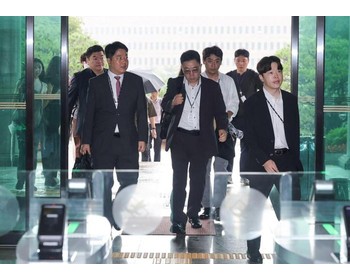
On Thursday, South Korean investigators raided the office o…
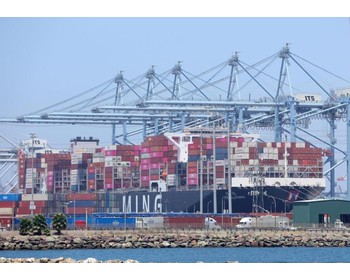
Starting from Friday (July 24th), the United States will im…
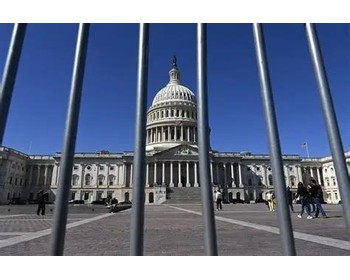
According to a report by The Wall Street Journal on July 22…
© Copyright 2026, All Rights Reserved