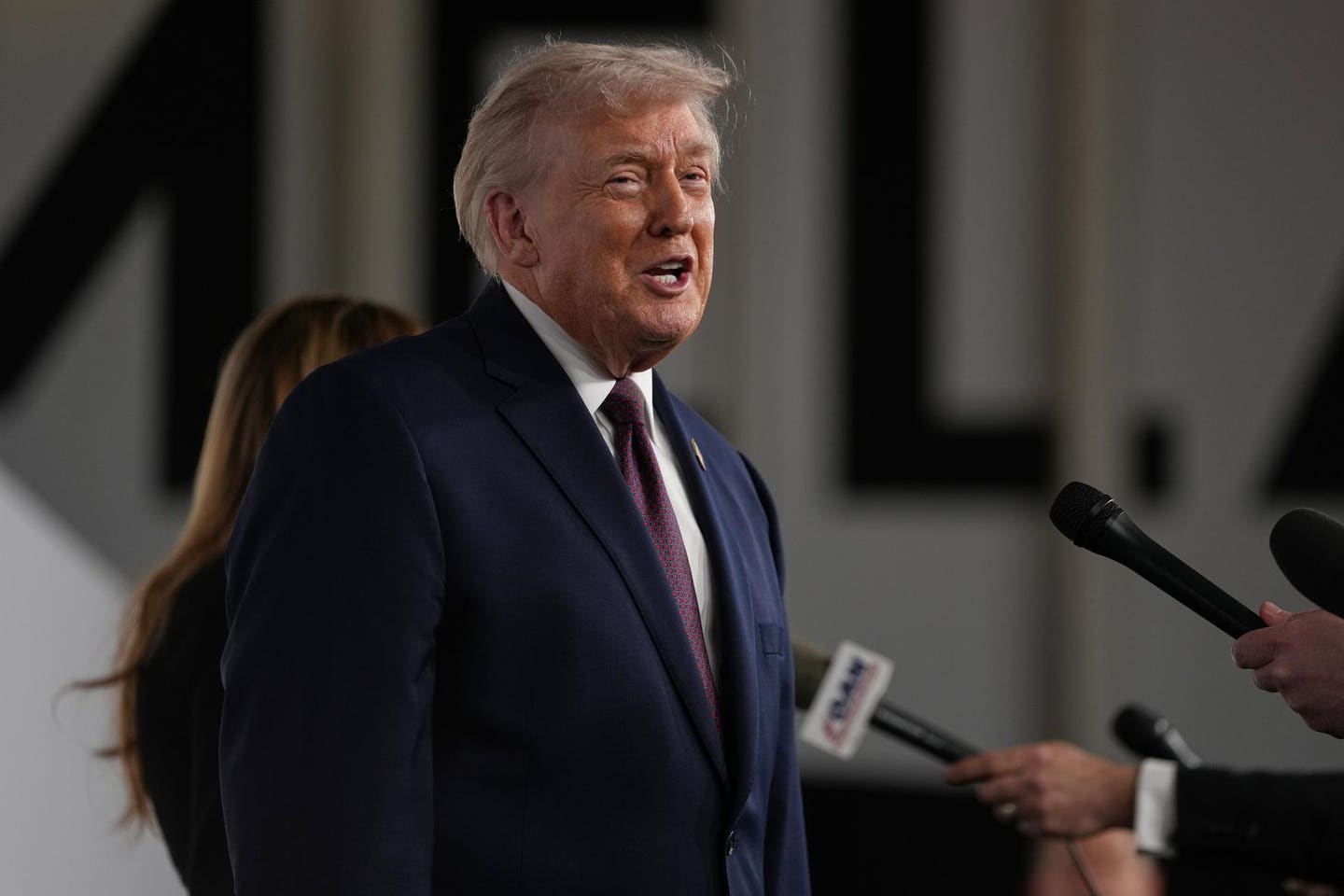
On the eve of Donald Trump's second inauguration, he and his family sparked a cryptocurrency craze. On January 17th, three days before his swearing-in ceremony, he launched a cryptocurrency called a "meme coin," a hype that ultimately increased his net worth by approximately $1 billion in 2025. Just the day before, another cryptocurrency company owned by the Trump family, World Liberty Financial, signed an agreement with Tahnoon bin Zayed Al Nahyan, the UAE's National Security Advisor and Deputy Ruler of Abu Dhabi. Tahnoon bin Zayed Al Nahyan oversees several UAE investment funds and is also the UAE's National Security Advisor and Deputy Ruler of Abu Dhabi; his brother is the President of the UAE.
First, it was reported as early as June that the Trump family may have secretly sold a portion of their stake in World Liberty Financial. According to the report, a "company backed by Tahnoon," called Aryam Investment 1, acquired a 49% stake in World Liberty Financial for $500 million, payable in installments. World Liberty subsequently confirmed the transaction. Before the deal was completed, the Trump family held approximately 75% of World Liberty Financial through a company called DT Marks Defi LLC. According to Trump's recently disclosed financial information, the shares of this company were distributed between Trump and his family members in a 70:30 ratio. Therefore, Trump's pre-tax earnings from this $500 million transaction could be approximately $260 million.
However, before the sale, World Liberty's only source of income was the sale of approximately $82 million worth of $WLFI tokens, and DT Marks Defi LLC was entitled to three-quarters of the revenue after the first $15 million in sales. But the report claims that Tahnoon's acquisition of a 49% stake in World Liberty did not entitle him to a share of these token revenues; instead, despite the decrease in the Trump family's ownership percentage, they still received 75% of the revenue. Assuming this is true, it's like buying shares in Apple but not benefiting from iPhone sales, or buying shares in OpenAI but not benefiting from the revenue generated by artificial intelligence. Furthermore, World Liberty eventually spawned another product that brought significant value to Tahnoon and his investment company. Reportedly, two months after the deal closed, World Liberty announced in March the launch of a stablecoin called USD1, a cryptocurrency backed by real-world assets and designed to maintain a stable value, intended to be a digital version of the US dollar. Forbes estimated that this part of the business, which profits from investing customer deposits in government bonds and earning returns, could be worth around $800 million, making the 49% stake worth approximately $400 million, still less than the $500 million paid by the UAE.
Moreover, the high value of USD1 is partly due to another subsequent transaction, orchestrated by Sheikh Tahnoon and the UAE government. In March, MGX, a UAE state-owned investment company chaired by Tahnoon, announced a $2 billion investment in the cryptocurrency exchange Binance. Subsequently, MGX decided to use USD1 as the "currency" to complete this transaction. The market capitalization of USD1 skyrocketed overnight from $140 million on April 29th to over $2.1 billion on April 30th. In other words, the $2 billion injected by Tahnoon seems to have propelled USD1 to rapid prominence, making it a significant player in the stablecoin industry.
Notably, the US and the UAE had collaborated on several deals last year. During his time as the UAE's National Security Advisor, Tahnoon secured access for the UAE to powerful artificial intelligence chips that the US had previously kept under strict wraps due to national security concerns. This deal was announced on May 15th, just two weeks after the Binance-MGX-USD1 transaction was completed. Reportedly, parts of this deal were facilitated by Trump's envoy, Steve Witkoff, who co-founded World Liberty Financial with his son, Zach.
In summary, the two closely related transactions—the US government's approval of large-scale exports of much-needed advanced AI chips to the UAE shortly after Trump took office—have raised serious questions about conflicts of interest between public office and private gain, and whether national policy was used to exchange for commercial benefits.
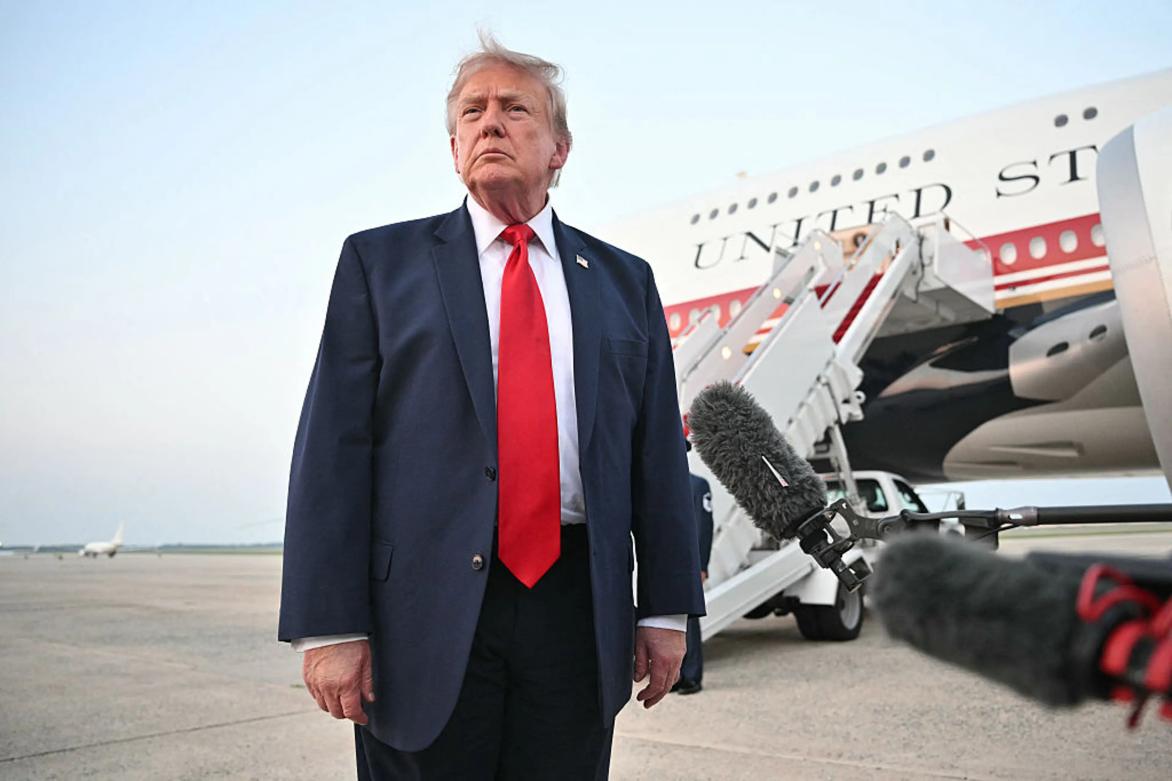
The New York Times has recently clashed with the Trump administration in a new legal battle.

The New York Times has recently clashed with the Trump admi…

Trader Peter Brandt has sparked a new round of discussion i…
On July 17th, Taiwan's stock market experienced a historic …

OpenAI updated its compute expenditure expectation through …
In late July 2026, tensions between the United States and I…

The heatwave sweeping across the region, coupled with the e…
© Copyright 2026, All Rights Reserved