The economic ripple effects brought about by the Middle East war have begun to affect the UK's job market. The latest data released by the UK's National Statistics Office shows that the unemployment rate in the UK rose slightly to 5% in the first quarter of 2026, up from 4.9% in the three months ending at the end of February.
AFP reported that this result was beyond market expectations. Economists had originally expected that the unemployment rate in the UK would remain at 4.9% unchanged.
The head of economic statistics at the UK's National Statistics Office, McKiernan, stated that the UK's labor market remains weak, with job vacancies reaching their lowest level in five years and the unemployment rate higher than it was a year ago.
Official data released by the UK last week showed that the economy grew by 0.6% in the first quarter of this year. However, the war in the Middle East has led to the actual closure of the Strait of Hormuz, pushing up energy prices and potentially dragging down the UK's economic growth. Analysts also predict that as energy costs are passed on to household bills, inflation in the UK may accelerate later this year.
Carter, the head of fixed income research at wealth management firm Quilter Cheviot, said the latest data only reflects the initial impact of the conflict in the Middle East. As costs rise and consumer demand may weaken, the full impact of the conflict on the British economy will become more evident in the coming months.
The Office for National Statistics of the UK also stated that in the three months ending in March, the growth rate of wages slowed down to 3.4%.

The heatwave sweeping across the region, coupled with the escalating conflict between Russia and Ukraine in the Black Sea, has pushed agricultural and food product prices to a three-year high. The risk of food inflation triggered by the US-Iraq war has resurfaced.
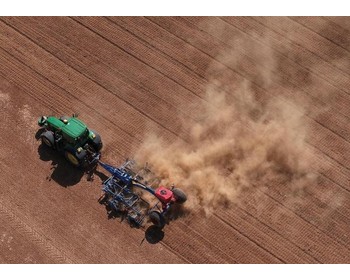
The heatwave sweeping across the region, coupled with the e…

British Prime Minister Barnham announced that the business …

The global food monitoring agency said that due to a lack o…

On Thursday, South Korean investigators raided the office o…
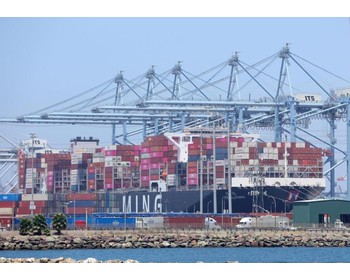
Starting from Friday (July 24th), the United States will im…
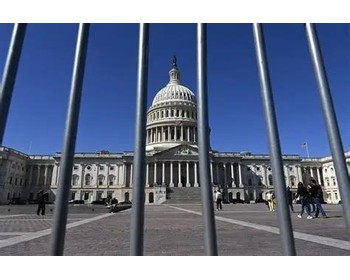
According to a report by The Wall Street Journal on July 22…
© Copyright 2026, All Rights Reserved