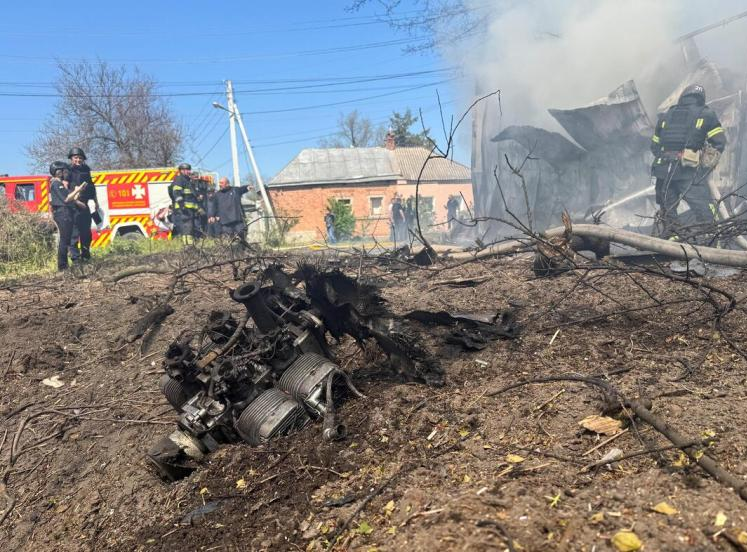
On Wednesday (May 6th), Russia stated in a note that if Ukraine launched an attack on Saturday (the date marking Russia's victory in the war), the Russian military would carry out retaliatory strikes against Kyiv and the Ukrainian decision-making center. The Russian Foreign Ministry urged diplomatic institutions of various countries in Kyiv and representatives of international organizations to pay attention to the Russian statement and evacuate their personnel in a timely manner.
The Russian Ministry of Defense announced on the 4th that a Victory Day ceasefire would be implemented from May 8th to 9th, and hoped that the Ukrainian side would follow suit. Ukrainian President Volodymyr Zelensky criticized the Russian side for being selfish. On the one hand, they demanded a ceasefire to protect their Victory Day military parade, while on the other hand, they continued to launch deadly attacks on Ukraine. He also hinted that on the 9th, Ukrainian drones might fly over the military parade held at Red Square in Moscow.
The Ukrainian side proposed a ceasefire on May 6th, but the Russian side did not respond. Zelensky said that Russia did not cease its military operations on that day; instead, it responded to the Ukrainian unilateral ceasefire with attacks. Therefore, the Ukrainian side will respond to Russia's Victory Day ceasefire with an equivalent response.
He said that since the early hours of the 6th, multiple regions including Donetsk, Kharkiv and Zaporizhzhia have been attacked by the Russian army. Ukrainian officials reported that the attacks resulted in at least four deaths, among whom two were staff members of a kindergarten in the northern Sumy region.
The fighting on the front line between Russia and Ukraine continues. According to reports from the officials of both sides, during the clashes on Thursday, 13 people were injured in the Russian border city of Bryansk, and one person was injured in the Ukrainian city of Dnipro.

The heatwave sweeping across the region, coupled with the escalating conflict between Russia and Ukraine in the Black Sea, has pushed agricultural and food product prices to a three-year high. The risk of food inflation triggered by the US-Iraq war has resurfaced.
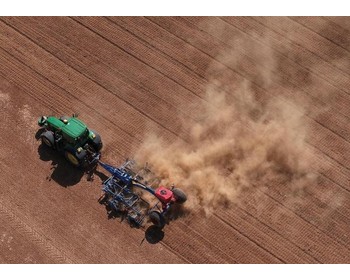
The heatwave sweeping across the region, coupled with the e…
British Prime Minister Barnham announced that the business …
The global food monitoring agency said that due to a lack o…
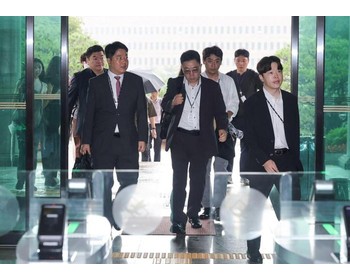
On Thursday, South Korean investigators raided the office o…
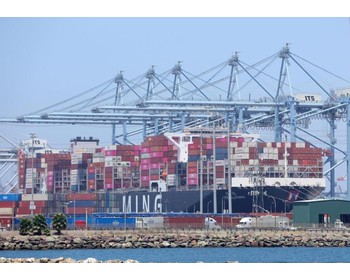
Starting from Friday (July 24th), the United States will im…
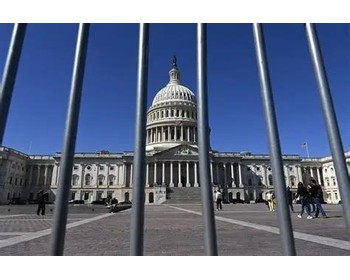
According to a report by The Wall Street Journal on July 22…
© Copyright 2026, All Rights Reserved