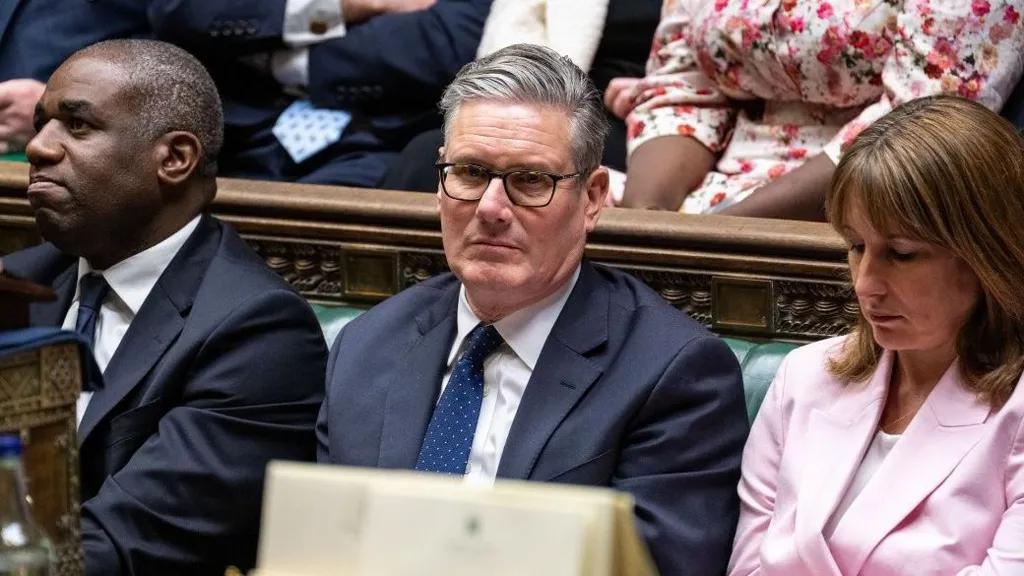
British politics is experiencing an unprecedented governing storm. The dust from the local election debacle has barely settled, yet Prime Minister Starmer already stands on the edge of a party "coup" cliff. Health Secretary Wes Streeting is primed to strike, multiple Labour MPs are publicly calling for a leadership change, and Starmer himself has vowed he will not "simply walk away." This fierce battle over Labour's leadership is pushing British politics toward a crossroads fraught with uncertainty.
The local election results announced on May 9 landed like a heavy punch squarely on Labour's face. Covering approximately 5,000 seats across 136 local councils in England, plus all seats in the Scottish Parliament and Welsh Parliament, this election was regarded as the most important test for all major parties since the 2024 general election. Yet the results were utterly humiliating for Labour — securing just over 1,000 local council seats, with multiple traditional strongholds falling one after another. The Conservatives fared little better, winning only around 800 seats. The biggest winner, however, was the far-right Reform Party, which surged to over 1,400 seats, rising forcefully to become the largest force in local councils.
The political implications of these results are self-evident: voter dissatisfaction with Labour's governance has reached a tipping point. Soaring inflation, declining public services, and unresolved immigration issues — all these pain points of everyday life exploded at the ballot box on election day. Starmer described the results as "grim," but that word clearly understates the depth of the crisis.
Under mounting pressure, the party's "rebel" has finally emerged. According to The Times, Health and Social Care Secretary Wes Streeting has privately and explicitly declared his intention to run for the Labour leadership. He could submit his resignation as early as May 14 and has already begun courting the support of Labour backbenchers.
On the morning of May 13, Streeting walked into 10 Downing Street and held a meeting with Starmer lasting less than 20 minutes. Faced with cameras, he said nothing. A spokesperson for the Prime Minister offered the usual line, stating that Starmer has "full confidence" in Streeting but declined to reveal any details of their conversation. This less-than-20-minute exchange was less a dialogue than a silent showdown.
Faced with the internal coup, Starmer chose to fight head-on. On the evening of May 13, he held back-to-back meetings in Parliament — one with senior officials and another with junior ones — each lasting about 15 minutes. His core message was clear and firm: "We cannot let a leadership contest drag us into chaos. A challenge will certainly cause that chaos."
The subtext of these words is not hard to decode — if you want to fight among yourselves, go ahead, but you will bear the consequences. Starmer knows full well that once a formal leadership contest is launched, Labour will descend into endless infighting, and the biggest beneficiary will be the already unstoppable Reform Party. By invoking the word "chaos," he is attempting to place his challengers in the moral low ground of being "reckless with the national interest."
At the same time, Starmer sent another signal to the outside world: he will not resign. He made it clear that the right approach is to "rebuild and chart a way forward," not to "walk away and plunge the country into chaos." This is both a response to the MPs demanding his departure and a pledge to the public.
The current situation is a genuine dilemma for Labour. If Starmer digs in and refuses to step down, party division will become inevitable, and the Reform Party will seize the opportunity to erode whatever remains of Labour's voter base. If Starmer is forced out, Labour will face a leadership vacuum, and it is virtually impossible to find a credible successor in the short term.
The deeper issue is that the local election debacle is no accident — it is a concentrated expression of deep-seated contradictions in British society. No matter who leads Labour, if they cannot deliver convincing answers on the economy and people's livelihoods, the next election results will likely be even more brutal.
The lights are still on at 10 Downing Street, but the foundation of this seat of power is cracking, inch by inch. How long can Starmer hold on? Can Streeting gather enough support? And behind them both, the footsteps of the Reform Party are growing ever closer. This great drama in British politics has only just begun.

The heatwave sweeping across the region, coupled with the escalating conflict between Russia and Ukraine in the Black Sea, has pushed agricultural and food product prices to a three-year high. The risk of food inflation triggered by the US-Iraq war has resurfaced.
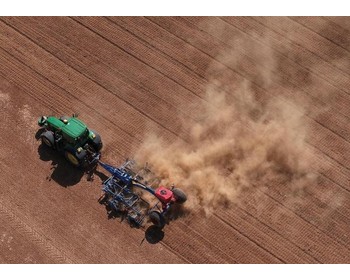
The heatwave sweeping across the region, coupled with the e…
British Prime Minister Barnham announced that the business …
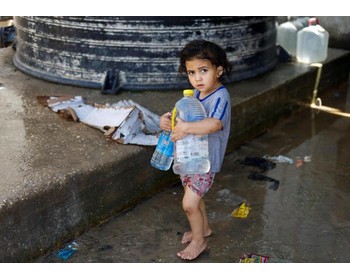
The global food monitoring agency said that due to a lack o…
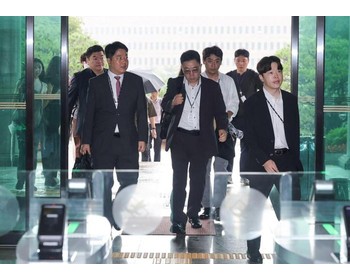
On Thursday, South Korean investigators raided the office o…
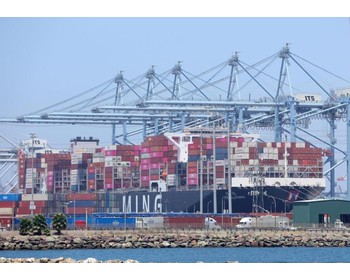
Starting from Friday (July 24th), the United States will im…
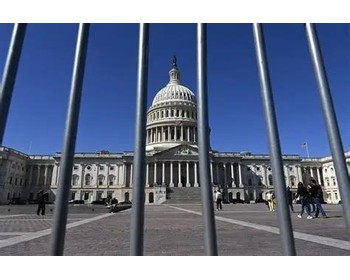
According to a report by The Wall Street Journal on July 22…
© Copyright 2026, All Rights Reserved