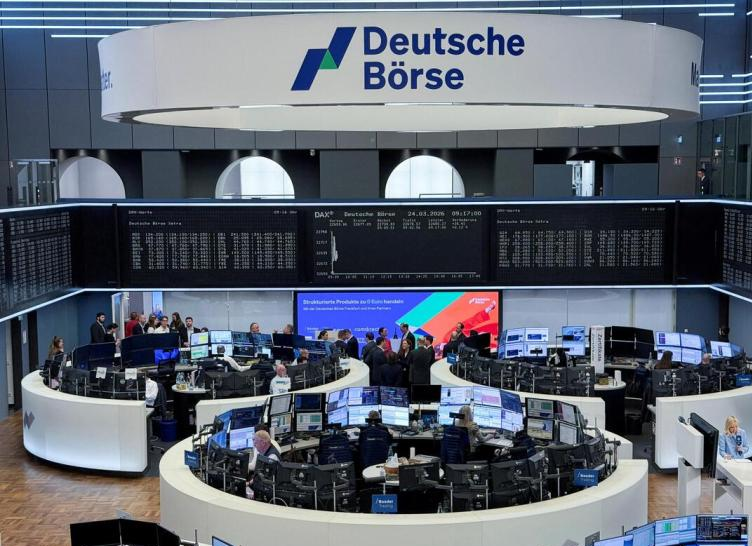
The US-Israeli war is undermining the recovery momentum of Europe's largest economy, and German investor confidence has dropped to its lowest point in more than three years.
Analysts warn that the impact of this conflict on the German economy is not limited to raising inflation; businesses' concerns over a long-term shortage of energy supplies are also undermining investment.
Bloomberg reported that a survey released by the European Economic Research Center (ZEW) of a German think tank on Tuesday (April 21st) showed that Germany's economic expectations index for April dropped from -0.5 in March to -17.2, marking the worst performance since 2022 and simultaneously causing a decline in the indicators measuring the current economic situation.
Achim Wambach, the president of ZEW, pointed out that the economic consequences of the war in Iran go far beyond price hikes. Enterprises' concerns over the long-term shortage of energy are dampening investment and weakening the effectiveness of the government's stimulus measures.
Major research institutions in Germany have lowered their economic growth forecast for this year to less than half of what they predicted just a few months ago. After experiencing two consecutive years of contraction, Germany's GDP is expected to increase by only 0.2% in 2025. Public investment in infrastructure and defense has provided some support.
In response to the energy crisis, the German government has introduced a 1.6 billion euro (approximately 2.4 billion Singapore dollars) fuel price reduction measure and has stated that if the situation continues to escalate, it will prepare further response plans. The European Central Bank is expected to keep interest rates unchanged on April 30th to assess the damage caused by the war.

OpenAI updated its compute expenditure expectation through 2030 from approximately $600 billion up to $750 billion, while announcing the launch of "Project Camellia," a $20 billion self-operated data center project in Georgia, and signing a 3.2 gigawatt power supply agreement with a local utility company.

OpenAI updated its compute expenditure expectation through …

In late July 2026, tensions between the United States and I…
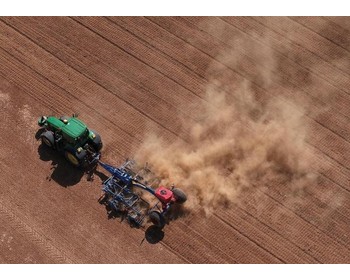
The heatwave sweeping across the region, coupled with the e…

British Prime Minister Barnham announced that the business …

The global food monitoring agency said that due to a lack o…
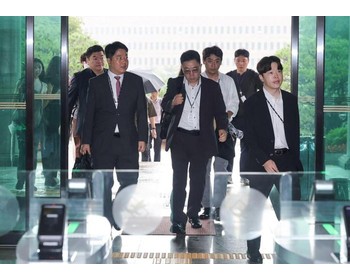
On Thursday, South Korean investigators raided the office o…
© Copyright 2026, All Rights Reserved