On March 13, 2026, Iranian drones attacked the branches of Citibank in Dubai and Manama of the United Arab Emirates and Bahrain, and warned that all US-funded banks in the Middle East would be targeted. This incident marked a shift from military confrontation to attacks on financial infrastructure, directly impacting the stability of the Gulf financial centers and triggering a chain reaction in the global financial market, becoming one of the most closely watched international financial hotspots recently.
Citibank is a core institution in energy trade financing in the Middle East and a key node in the oil dollar settlement system. This attack was not a simple military retaliation but a landmark event marking the extension of geopolitical games into the financial domain. Although Citibank evacuated its employees in advance and denied significant damage to the branches, US-funded financial institutions have collectively entered a state of risk aversion, with HSBC, Goldman Sachs, and Morgan Stanley among others contracting their offline business. For the first time, the security and trust foundation of the Gulf financial centers has shown significant cracks.
The risks brought about by this incident spread rapidly and widely. On one hand, regional energy trade settlements and cross-border capital flows have experienced short-term obstructions, and international capital's confidence in the security of the Middle East's finance has significantly declined. Capital and talents have begun to shift to safer financial centers such as Singapore and London. On the other hand, as the Middle East is a global energy hub, the obstruction of the financial link directly affects the efficiency of oil transactions, raising the risk of oil price fluctuations. If the conflict continues to expand, it is highly likely to trigger a blockage in the energy settlement chain, further pushing up global imported inflation pressure.
The more far-reaching impact lies in that this attack broke the traditional rules of geopolitical conflicts, with financial facilities changing from non-military targets to targets of attack, initiating a new form of "financial warfare". The US is likely to strengthen financial sanctions against Iran, while Iran may continue to target US-funded financial institutions as a countermeasure, forming a vicious cycle of sanctions and physical attacks, significantly increasing the operational risks and compliance costs of multinational banks in the Middle East.
At the same time, the incident also puts new pressure on global monetary policies. The risk of rising oil prices has intensified, causing the expectations for interest rate cuts by the Federal Reserve and major central banks around the world to cool down, rising US bond yields, and increasing the pressure for global liquidity tightening. Stocks, bond markets, and emerging market assets are all facing suppression. Market risk aversion has intensified, and funds are accelerating their flow from equity funds to money and bond funds, with risk appetite remaining low.
Facing this new situation, multinational financial institutions are accelerating their adjustments to their Middle East presence, reducing reliance on physical branches, ensuring core business through digital means, and expanding diversified settlement channels to diversify risks. Gulf countries are also strengthening the security of financial facilities, promoting financial business diversification, and attempting to restore international capital confidence.
The attack on Citibank has profoundly changed the global geopolitical financial risk landscape. In the short term, trends such as fluctuations in the Middle East financial market, rising oil prices, and strengthening of the US dollar will continue; in the long term, the global financial system will accelerate its development towards diversification, and the security of financial infrastructure will be redefined. For the global market, the deep integration of geopolitical conflicts and financial risks has become the new normal. Only by strengthening risk prevention and enhancing international collaboration can we effectively respond to the challenges brought by this new type of financial warfare and maintain the stable operation of the global financial system.

The heatwave sweeping across the region, coupled with the escalating conflict between Russia and Ukraine in the Black Sea, has pushed agricultural and food product prices to a three-year high. The risk of food inflation triggered by the US-Iraq war has resurfaced.
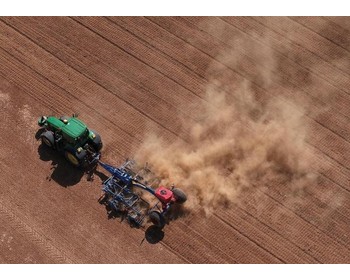
The heatwave sweeping across the region, coupled with the e…

British Prime Minister Barnham announced that the business …
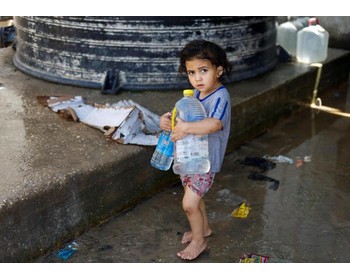
The global food monitoring agency said that due to a lack o…
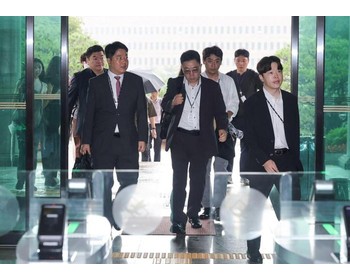
On Thursday, South Korean investigators raided the office o…
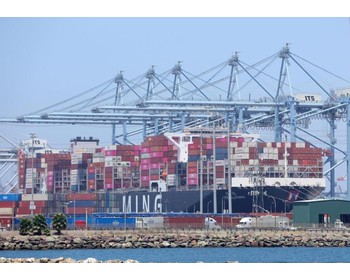
Starting from Friday (July 24th), the United States will im…
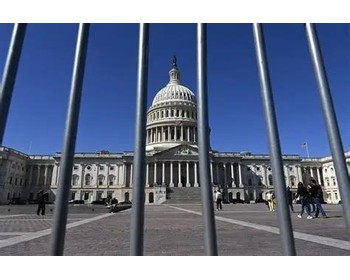
According to a report by The Wall Street Journal on July 22…
© Copyright 2026, All Rights Reserved