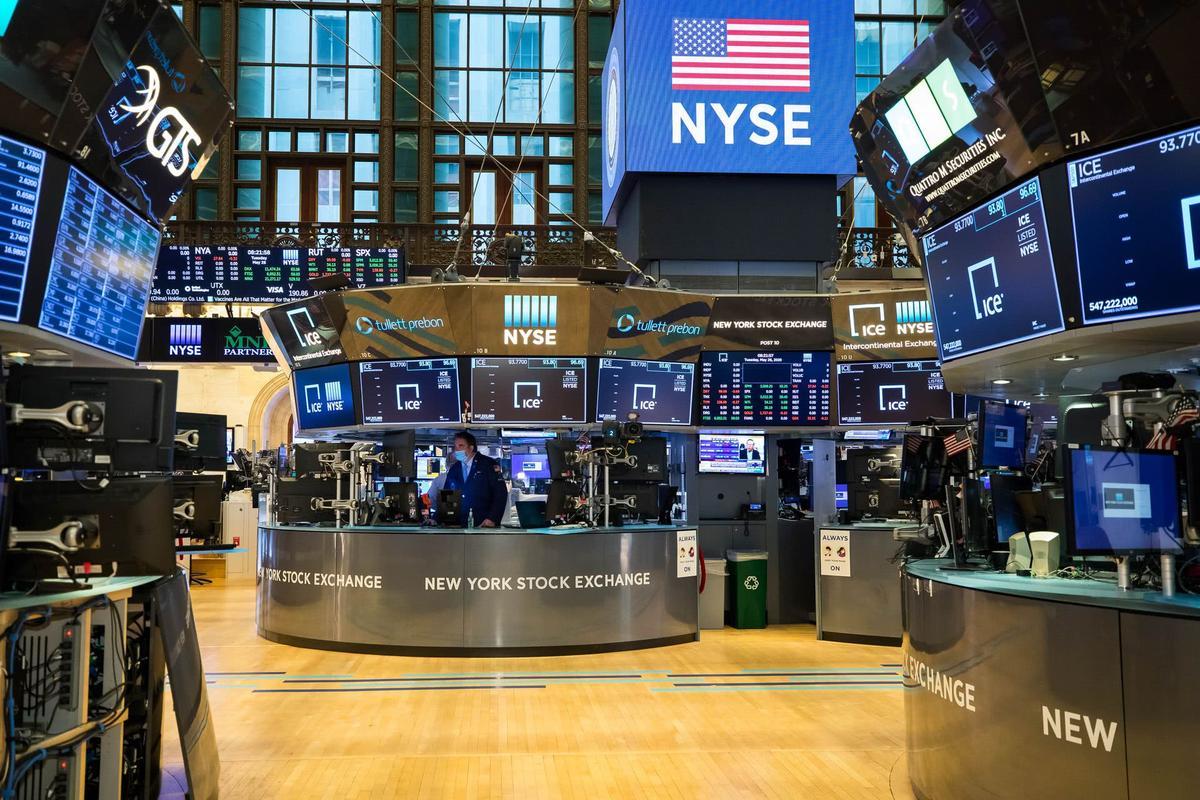
In mid-March 2026, the U.S. financial market stands at a critical juncture intertwined with multiple variables. The stable surface of inflation data contrasts with the hidden concern of energy price hikes triggered by geopolitical conflicts. Policy expectations ahead of the Federal Reserve's interest rate meeting continue to ferment, the U.S. dollar index and U.S. stocks seek direction amid fluctuations, and the strong performance outlook of the banking sector has injected partial confidence into the market. This multi-dimensional game spanning monetary policy, inflation trends, and geopolitical risks is reshaping the operational logic of the U.S. financial market.
The "duality" of inflation trends has become the focus of market attention. According to the February CPI data released by the U.S. Bureau of Labor Statistics on March 11, the overall inflation rose by 2.4% year-on-year, and the core CPI increased by 2.5% year-on-year, both in line with market expectations and maintaining a stable trend. The cooling of housing costs has emerged as an important positive signal—rent rose by only 0.1% month-on-month, the smallest increase since January 2021, effectively curbing upward pressure on core inflation. Food and energy prices rose moderately by 0.4% and 0.6% month-on-month respectively, not yet posing a significant impact on overall prices. However, the market generally warns of the "lag effect" of the data: the February CPI was collected before the escalation of the Iran situation, while the current New York crude oil futures price has exceeded $100 per barrel. The upward trend in energy costs caused by disrupted navigation through the Strait of Hormuz may push up inflation in the coming months, adding variables to the Federal Reserve's policy decisions.
The Federal Reserve's "wait-and-see stance" dominates market expectations. As the Fed's interest rate meeting on March 17-18 approaches, market expectations of keeping interest rates unchanged have reached 99.4%. Data from CME Group's FedWatch Tool shows that traders now see a 57.3% probability of rates remaining unchanged in June, a significant increase from a month ago, indicating a marked cooling of expectations for interest rate cuts within the year. This expectation aligns with the Fed's previous policy tone—the January dot plot suggested two rate cuts in 2026, but concerns about inflation rebound have intensified among officials, leading to a decrease in the number of dovish members advocating for rate cuts. Notably, the Federal Reserve may further adjust the pace of balance sheet reduction at this meeting; signals of slowing Treasury bond holdings have emerged earlier, which is interpreted as an important measure to address downside economic risks and reserve room for policy shifts.
The financial market shows structural differentiation amid volatility. The U.S. dollar index has recently staged a strong rebound, closing at 100.16 on March 13, representing a cumulative increase of 1.68% from 98.505 on March 2, with trading volume expanding to 35,400 contracts. This reflects the preference of safe-haven funds for U.S. dollar assets. In contrast, U.S. stocks have exhibited a volatile correction trend: on March 12-13, the Dow Jones Industrial Average and the S&P 500 Index fell for two consecutive days, with the Nasdaq Composite Index dropping by 2.71% cumulatively. Technology stocks have come under significant pressure amid expectations of prolonged high interest rates. However, the positive performance outlook of the banking sector has brought warmth—Bank of America expects its net interest income to increase by at least 7% year-on-year in the first quarter, wealth management fees to achieve double-digit growth, and both investment banking and market business revenues to rise steadily, highlighting the supporting role of the financial sector in the economic fundamentals.
At the corporate level, profitability resilience coexists with risks. Apple Inc.'s Q1 fiscal year 2026 earnings report shows that revenue increased by 16% year-on-year to 143.8billion,withnetprofitreaching 42.1 billion. Strong sales of the iPhone 17 series have driven growth in the hardware business, while services revenue hit a record high of $30 billion. Nevertheless, supply chain constraints and rising memory prices remain potential risks; insufficient production capacity of advanced-process chips may affect the supply of high-end products. Meanwhile, the banking industry is actively embracing digital transformation—Citizens Bank plans to deploy AI agents to handle 50% of customer calls, and the integration of technology and finance is becoming a new trend in industry development.
Looking ahead, the Federal Reserve's interest rate meeting will serve as a key short-term catalyst. If the meeting maintains interest rates unchanged and releases cautious signals on rate cuts, coupled with the uncertainty in the Middle East, the U.S. dollar may continue to gain support, and U.S. stocks may remain in a range-bound volatility. In the long run, inflation trends will be highly dependent on energy price fluctuations and the evolution of geopolitical conflicts. If oil prices remain at high levels, it may delay the inflation moderation process and force the Federal Reserve to postpone its rate cut cycle. Investors should closely monitor PCE inflation data, the Federal Reserve's policy statements, and developments in the Middle East to seize structural opportunities amid policy games and market volatility.

The heatwave sweeping across the region, coupled with the escalating conflict between Russia and Ukraine in the Black Sea, has pushed agricultural and food product prices to a three-year high. The risk of food inflation triggered by the US-Iraq war has resurfaced.
The heatwave sweeping across the region, coupled with the e…

British Prime Minister Barnham announced that the business …

The global food monitoring agency said that due to a lack o…

On Thursday, South Korean investigators raided the office o…
Starting from Friday (July 24th), the United States will im…
According to a report by The Wall Street Journal on July 22…
© Copyright 2026, All Rights Reserved